Knitting and Crochet Classes for Seniors: A Complete Guide
Facts:
- Knitting can lower heart rate by 11 beats per minute.
- There is a rising trend in knitting workshops for retirees focusing on social wellness.
Rediscover the Joy of Crafting in Your Golden Years
Embracing a new hobby during retirement can be incredibly rewarding, offering a chance to learn new skills, stay mentally sharp, and connect with a community. For many, the timeless crafts of knitting and crochet provide the perfect blend of creativity and relaxation. This guide explores everything you need to know about finding the best knitting and crochet classes for seniors, a wonderful way to enrich your life. Whether you're looking for crochet classes for seniors near me or simply want to understand the benefits, you'll find that these crafts offer more than just warm scarves; they offer a sense of purpose and a vibrant social outlet.
Finding Local Knitting and Crochet Classes for Seniors
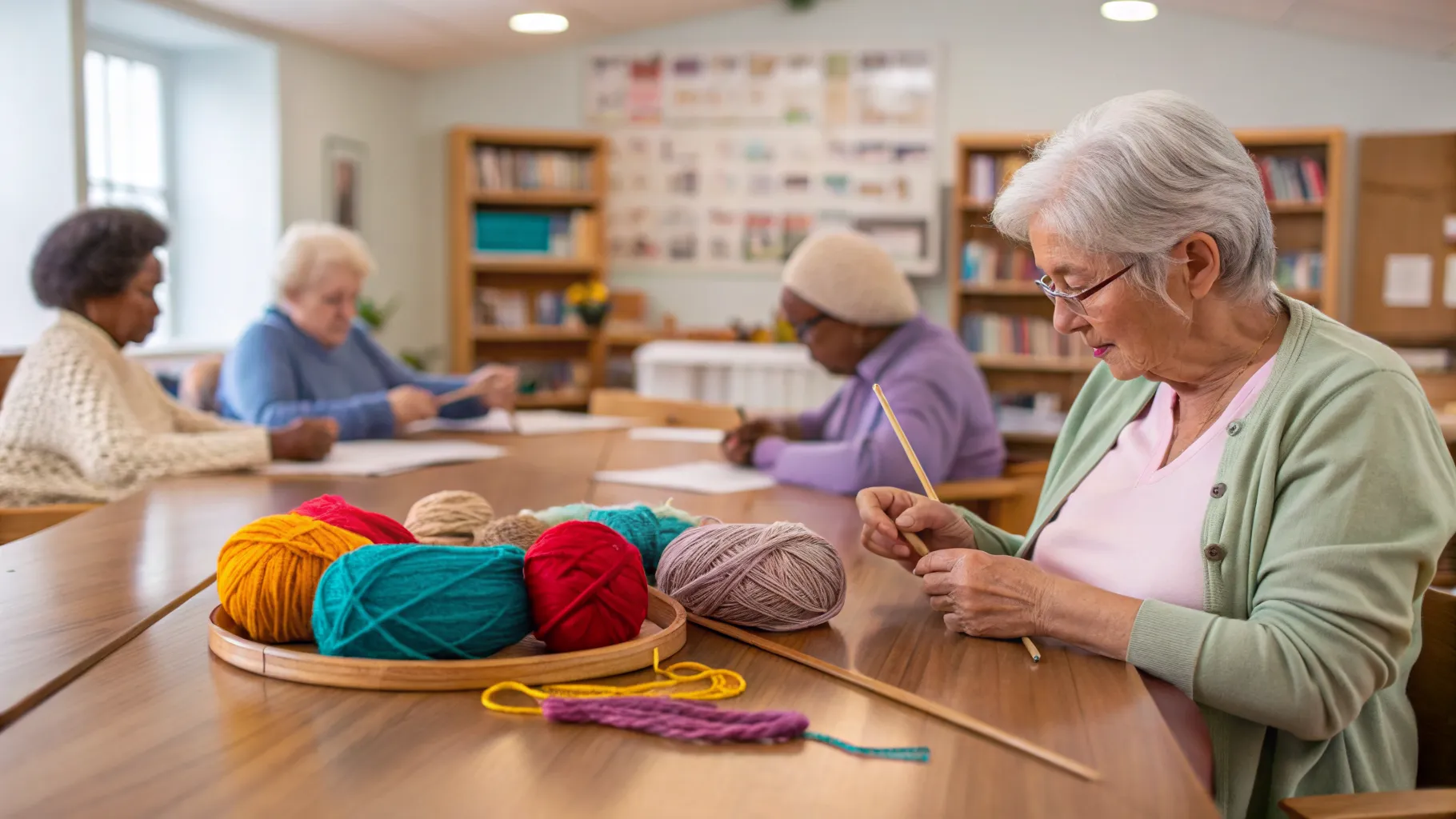
One of the first steps is locating a class that fits your schedule and skill level. The good news is that there's a growing number of options tailored specifically for older adults. Community centers are often the first place to look; they frequently host community knitting classes for older adults that are affordable and welcoming. Public libraries have also become hubs for crafting circles and may offer structured courses. Don't forget to check local yarn and craft stores, as they often have a schedule of workshops and classes, including specialized beginner knitting lessons for seniors. Searching online with terms like 'crochet classes for seniors near me' will yield results for local businesses, senior centers, and even private instructors dedicated to teaching retirees.
The Tangible Benefits of Knitting and Crochet for Retirees
Engaging in crafts like knitting and crochet provides a wealth of benefits that are particularly valuable for seniors. The repetitive motions are meditative, helping to reduce stress and anxiety while promoting a sense of calm. These activities are also a fantastic workout for the brain. Following patterns, counting stitches, and learning new techniques stimulate cognitive function and can help maintain mental acuity. Furthermore, handling needles, hooks, and yarn improves fine motor skills and hand-eye coordination, which can be beneficial for maintaining dexterity. Many seniors find that joining knitting workshops for retirees offers a much-needed social connection, combating loneliness and fostering new friendships with like-minded individuals. The sense of accomplishment that comes from completing a handmade project is a significant boost to self-esteem and provides a creative outlet for self-expression.
What to Expect in Your First Workshop
Walking into your first class can be exciting. Most beginner knitting lessons for seniors are designed to be low-pressure and supportive. You can expect the instructor to start with the very basics: how to hold the needles or hook, how to make a slip knot, and how to execute the fundamental stitches like the knit and purl stitch in knitting, or the chain and single crochet in crochet. The initial projects are typically simple, such as a dishcloth or a basic scarf, allowing you to practice the core skills without feeling overwhelmed. These knitting and crochet classes for seniors usually provide a list of required materials beforehand, which includes yarn and the appropriate size needles or hook. The atmosphere in these community knitting classes for older adults is almost always friendly and collaborative, with participants encouraged to help one another and share their progress.
Knitting vs. Crochet: Which Craft is Right for You?
While often grouped together, knitting and crochet are distinct crafts with different tools and techniques. Knitting uses two needles to create loops of yarn, resulting in a fabric that is often stretchy and has a classic 'V' pattern. It's excellent for garments like sweaters, socks, and hats. Crochet uses a single hook to loop yarn, which can create a denser, more robust fabric. It's often considered slightly easier to learn initially because you only have to manage one tool. Crochet is fantastic for making blankets, toys (amigurumi), and lacework. When choosing between the two, consider the projects you're most interested in making. Many knitting workshops for retirees will let you try both, but if you have arthritis, some find the single hook of crochet more comfortable to hold than two knitting needles. Ultimately, both are wonderful hobbies, and the best choice is the one you enjoy the most.
Tips for Success in Your Crafting Journey
To get the most out of your experience, here are a few actionable tips. Follow these to ensure your introduction to the world of yarn crafts is a smooth and enjoyable one:
- Start with the Right Tools: Choose light-colored, smooth yarn (like worsted-weight wool or acrylic) and medium-sized wooden or bamboo needles/hooks. They are easier to see and less slippery for beginners.
- Practice Patience: Your first few attempts may look uneven, and that's perfectly normal! The key is to practice the basic stitches until they become muscle memory. Don't be afraid to unravel your work and start again.
- Join a Community: Beyond the classroom, look for local knitting circles or online groups. Sharing your projects and getting advice from others is a huge part of the fun in community knitting classes for older adults.
- Choose Simple First Projects: Resist the urge to tackle a complex sweater immediately. Mastering the basics on a small project like a scarf will build your confidence and make learning more advanced techniques much easier.
- Take Breaks: Crafting should be relaxing, not strenuous. Be sure to stretch your hands, wrists, and shoulders regularly to avoid strain, especially when you are just starting out.
Frequently Asked Questions
What if I have arthritis in my hands?
Many seniors with arthritis find knitting and crochet to be beneficial for keeping their hands flexible. Ergonomic hooks and needles with larger, soft-grip handles are available. It's often recommended to try crochet first as it involves only one tool. Many knitting and crochet classes for seniors can offer advice on adaptive tools.
Do I need to buy expensive supplies for a beginner class?
Absolutely not. For beginner knitting lessons for seniors, you can start with affordable acrylic yarn and basic needles or hooks. Most instructors will recommend budget-friendly options to get you started without a large investment.
How long does it take to learn to knit or crochet?
You can learn the basic stitches in your very first class! Becoming proficient and able to read complex patterns takes practice, but most people can complete a simple project like a scarf within a few weeks of starting their knitting workshops for retirees.
References
- The Health Benefits of Knitting - AARP
- Craft Yarn Council Studies on Crafting and Wellness
- Community Crafting Programs for Senior Engagement
- Fine Motor Skills and Aging - Gerontology Journal
Authored by Invest Buzzers team