How to Remove Dark Spots on the Face: A Complete Guide
Facts:
- Sun exposure is the number one cause of dark spots.
- Consumer interest in targeted dark spot skincare solutions continues to rise.
Understanding the Root Causes of Dark Spots on Your Face
Before diving into solutions, it's crucial to understand why these spots appear. Dark spots on face, clinically known as facial hyperpigmentation, occur when the skin produces excess melanin, the pigment that gives skin its color. This overproduction can be triggered by several factors, leading to an uneven skin tone that can be frustrating to manage. The primary culprits include sun exposure, which accelerates melanin production, inflammation from acne or eczema (post-inflammatory hyperpigmentation), and hormonal fluctuations, often seen in conditions like melasma. Understanding your specific trigger is the first step in learning how to remove dark spots on the face effectively and prevent their recurrence.
Topical Treatments: Your First Line of Defense in Dark Spot Skincare
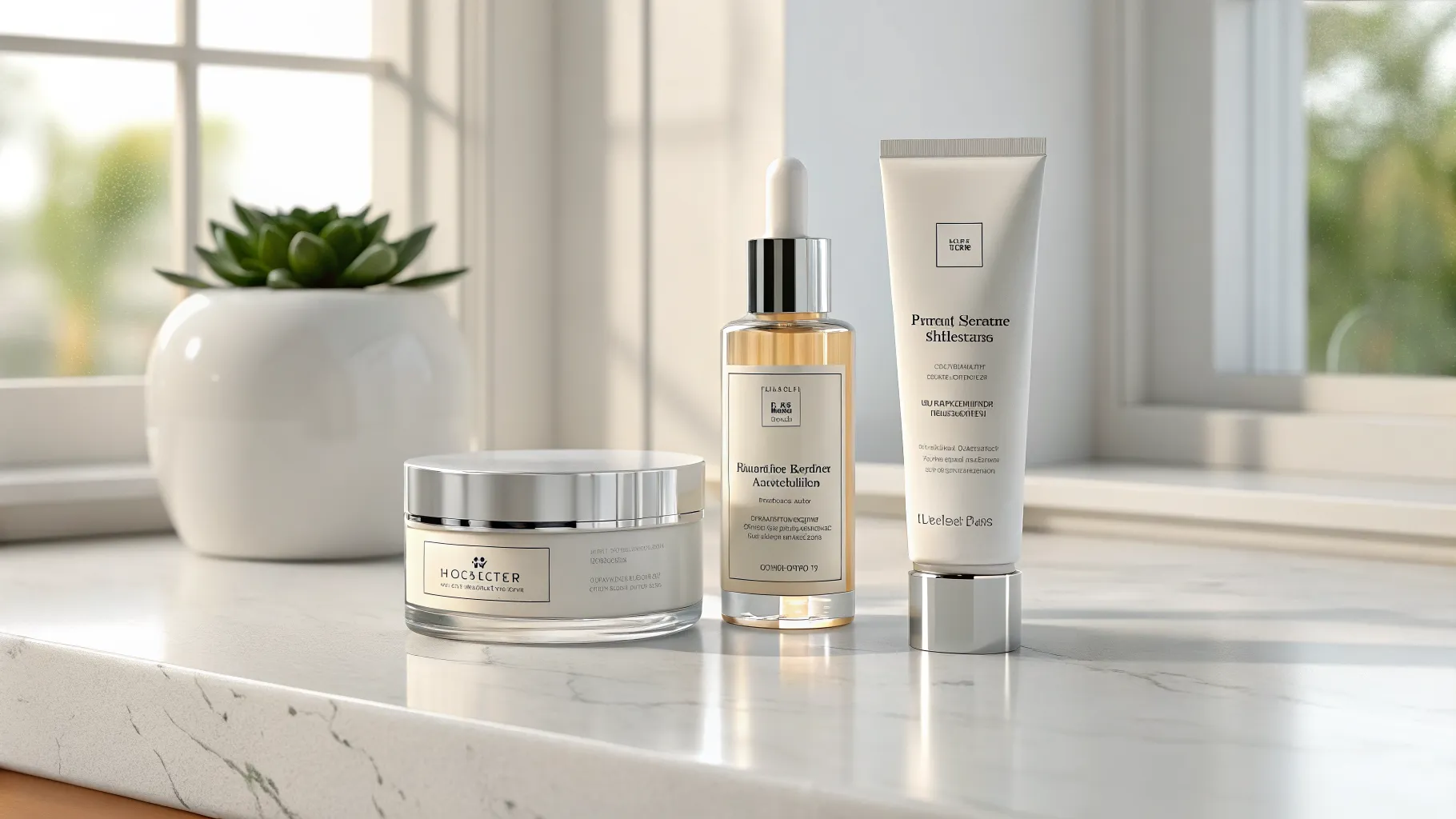
For many, the journey to a clearer complexion begins with over-the-counter (OTC) and prescription topical treatments. A consistent dark spot skincare routine is fundamental. Look for products containing powerhouse ingredients proven to combat hyperpigmentation. Vitamin C is a potent antioxidant that not only brightens the skin but also inhibits an enzyme necessary for melanin production. Retinoids, derived from Vitamin A, accelerate cell turnover, helping to shed pigmented cells and reveal fresh, evenly toned skin beneath. Other key ingredients include Niacinamide, which reduces pigment transfer within the skin, Azelaic Acid, which targets abnormal melanocytes, and Kojic Acid, which helps to lighten visible sun damage. Integrating these ingredients is a cornerstone of any effective strategy for how to remove dark spots on the face.
Advanced Professional Procedures for Stubborn Hyperpigmentation
When topical treatments don't provide the desired results, professional dermatological procedures offer a more powerful approach to tackling deep or stubborn facial hyperpigmentation. Chemical peels, for instance, use acids like glycolic or salicylic acid to exfoliate the top layers of the skin, significantly reducing the appearance of dark spots on face. Laser therapy, such as Intense Pulsed Light (IPL) or Fraxel, uses targeted light energy to break down melanin clusters in the skin without harming the surrounding tissue. Microneedling is another effective option that creates micro-injuries in the skin, stimulating collagen production and enhancing the absorption of topical brightening agents. Consulting with a board-certified dermatologist is essential to determine the safest and most effective treatment plan for your specific skin type and the nature of your uneven skin tone.
Building a Preventative Skincare Routine
Prevention is arguably the most critical aspect of managing an uneven skin tone. Without a solid preventative strategy, you may find yourself in a constant battle with new spots. The non-negotiable cornerstone of this strategy is daily, consistent use of a broad-spectrum sunscreen with an SPF of 30 or higher. Sun protection is vital because UV radiation is the primary trigger for melanin overproduction. Reapplying every two hours, or more frequently if swimming or sweating, is essential. Here's an actionable daily plan:
- Morning Routine: Start with a gentle cleanser, followed by an antioxidant serum (like Vitamin C) to fight free radical damage. Apply a moisturizer suitable for your skin type, and finish with a generous layer of broad-spectrum sunscreen. This creates a shield against environmental aggressors that cause dark spots on face.
- Evening Routine: Thoroughly cleanse your face to remove makeup, sunscreen, and pollutants. Apply your targeted treatment serum, such as a retinoid or an acid-based product. Conclude with a hydrating moisturizer to support your skin's barrier function overnight. This consistent dark spot skincare regimen helps fade existing spots and prevent new ones.
Lifestyle Factors That Influence an Uneven Skin Tone
While a dedicated dark spot skincare routine is paramount, certain lifestyle habits can significantly impact your skin's health and appearance. Chronic stress, for example, can lead to hormonal imbalances that may trigger or worsen conditions like melasma and acne, both of which can result in facial hyperpigmentation. A diet rich in antioxidants from fruits and vegetables can help protect the skin from oxidative stress, a contributing factor to premature aging and pigmentation. Most importantly, avoid picking at acne or other skin lesions. This trauma is a direct cause of post-inflammatory hyperpigmentation, creating new dark spots that can take months or even years to fade. A holistic approach that includes a healthy lifestyle is a key component of learning how to remove dark spots on the face for the long term.
The Role of Consistency in Fading Dark Spots
Patience and consistency are non-negotiable when dealing with any form of hyperpigmentation. Unlike other skin concerns that may show rapid improvement, fading dark spots on face is a marathon, not a sprint. It can take anywhere from a few weeks to several months to see noticeable results from a new product or routine. The key is to stick with your chosen dark spot skincare regimen diligently. Skipping days, especially with sunscreen application, can undo weeks of progress. Documenting your journey with weekly photos can be a great way to track subtle changes and stay motivated. Remember that the skin cells turn over approximately every 28-40 days, so giving any new treatment at least one or two full cycles is essential to properly gauge its effectiveness on your uneven skin tone.
Frequently Asked Questions
How long does it take to see results when trying to remove dark spots on the face?
Results vary based on the treatment and the severity of the hyperpigmentation. With consistent use of topical dark spot skincare products, you might start seeing initial improvements in 4 to 8 weeks. Professional treatments like chemical peels or laser therapy can yield faster, more dramatic results, often visible after just one or two sessions.
Can sunscreen alone help with an existing uneven skin tone?
While sunscreen is primarily for prevention, it plays a crucial role in treatment. By protecting your skin from further UV damage, it stops existing dark spots on face from getting darker and allows your other treatment products and your skin's natural healing processes to work more effectively. It is the most important step in any routine focused on how to remove dark spots on the face.
What is the difference between sun spots and post-inflammatory hyperpigmentation (PIH)?
Sun spots (solar lentigines) are a direct result of long-term sun exposure and typically appear in sun-exposed areas. Post-inflammatory hyperpigmentation is a type of facial hyperpigmentation that occurs as a result of skin inflammation or injury, such as from acne, a cut, or a rash. While both appear as dark spots, their underlying causes are different, which can influence the most effective treatment approach.
References
- American Academy of Dermatology Association
- Journal of Clinical and Aesthetic Dermatology
- International Dermal Institute Archives
- Skin Cancer Foundation Reports