How to Find and Buy a Reliable Used Transmission
When a vehicle's transmission fails, the repair bill can be one of the most expensive an owner will ever face. A brand new transmission can cost thousands of dollars, pushing many to consider a more affordable alternative: a used transmission. While this route can offer substantial savings, it comes with its own set of challenges. A successful purchase hinges on knowing what to look for, where to find it, and how to verify quality to avoid ending up with another faulty part.
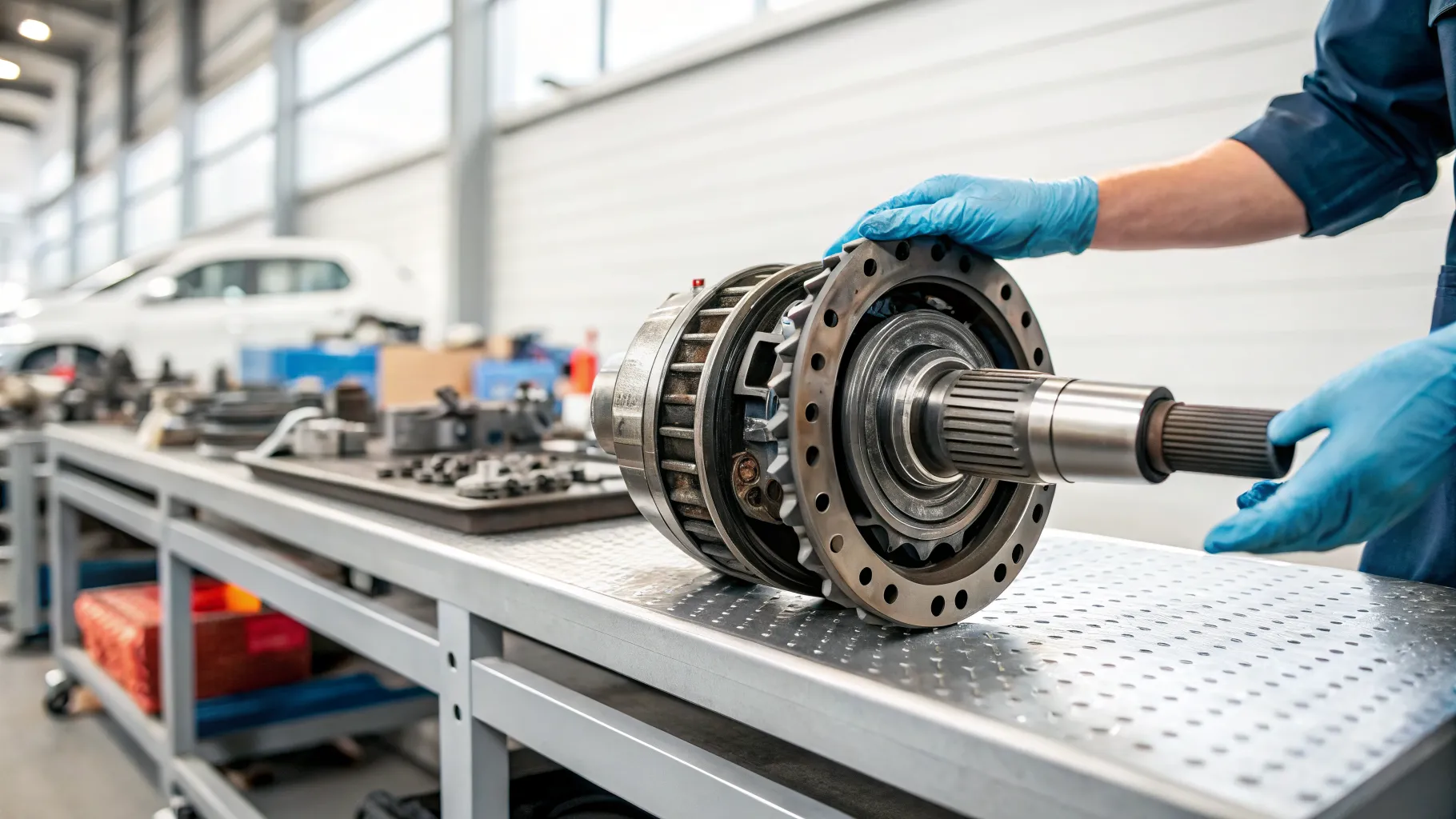
Understanding the Types of Replacement Transmissions
Before you begin your search, it's important to understand the terminology. While people often group them together, there are key differences between used, rebuilt, and remanufactured transmissions. Knowing what each term means will help you evaluate price and quality more effectively.
- Used Transmission: This is a transmission taken directly from a donor vehicle, typically from a salvage or junk yard. It is sold as-is, with its existing mileage and wear. This is usually the most affordable option.
- Rebuilt Transmission: In a rebuild, the transmission is removed, disassembled, and inspected. Only the broken or excessively worn parts are replaced. The quality of a rebuild can vary greatly depending on the skill of the technician.
- Remanufactured Transmission: A remanufactured unit is completely disassembled, and all components are cleaned and inspected against original factory specifications. All soft parts like seals and gaskets are replaced, and any hard parts that are worn or outdated are replaced with new or updated versions. This is the most comprehensive and often most expensive option, but it usually comes with a better warranty.
Where to Source a Used Transmission
You have several options when it comes to finding a used transmission. The most common source is a local auto salvage or junk yard. These facilities acquire vehicles that have been wrecked or are no longer operational and part them out. Visiting a yard allows you to potentially see the donor vehicle, which can provide clues about the transmission's history. However, the quality and testing can be minimal.
Another popular option is online used auto parts marketplaces. These websites connect you with a vast network of salvage yards and parts suppliers across the country, increasing your chances of finding the exact model you need. Many online sellers also provide vehicle history information and offer shipping directly to your mechanic. Specialized used parts dealers are another excellent source, as they often test their inventory and provide warranties, offering a higher level of confidence in the purchase.
Essential Information You Need Before You Shop
You cannot simply search for a transmission for your car's make and model. Manufacturers often use several different transmissions in the same model year, depending on the engine size, drivetrain configuration (FWD, RWD, AWD), and even trim level. To ensure you get a compatible part, you must have precise information about your vehicle.
Before you contact any seller, gather the following details: your vehicle's year, make, model, and Vehicle Identification Number (VIN). The VIN is the most critical piece of information, as it allows a supplier to look up the exact specifications of the parts your car was built with. You should also know your engine size and whether your vehicle is two-wheel or all-wheel drive. Having this information ready will make the process smoother and prevent you from buying an incompatible unit.
Key Factors to Check for Reliability
When evaluating a used transmission, mileage is a primary consideration, but it doesn't tell the whole story. A transmission with 100,000 highway miles may be in better condition than one with 60,000 miles of hard, city stop-and-go driving. If possible, get information about the donor vehicle. A transmission from a vehicle involved in a rear-end collision is likely a better bet than one from a vehicle that suffered a major front-end impact that could have damaged the drivetrain.
If you are able to inspect the transmission in person, check the color and smell of the transmission fluid. Dark, burnt-smelling fluid is a major red flag indicating internal problems or overheating. The fluid should be reddish-pink and have a neutral odor. Also, check for any visible external damage to the transmission case, such as cracks or significant corrosion, which could indicate a hard life or improper handling after removal.
The Importance of a Warranty and Return Policy
A warranty is one of the most important factors when purchasing a used transmission. It represents the seller's confidence in their product. Reputable sellers will almost always offer some form of warranty, which can range from 30 days to a year or more. Be sure to understand exactly what the warranty covers. Most standard warranties cover the part itself, meaning they will provide a replacement unit if the one you bought fails within the warranty period.
Labor costs for installing and removing a transmission are significant, so some premium warranties may also cover a portion of the labor. Carefully read the terms and conditions. Some warranties are voided if the transmission is not installed by a certified professional mechanic. Also, clarify the return policy before you buy. If you are shipped the wrong part or it arrives damaged, you need to know what the process is for getting a refund or replacement.
Critical Questions to Ask the Seller
Being an informed buyer means asking the right questions. Don't hesitate to get as much information as you can from the seller before committing to a purchase. A transparent and knowledgeable seller will be able to answer your questions and provide the details you need to make a confident decision.
Here are some essential questions to ask:
- What is the exact mileage on the transmission?
- Do you have the VIN from the donor vehicle?
- Has the transmission been tested to ensure it shifts correctly and the torque converter is functional?
- What is the history of the donor vehicle (e.g., reason for salvage)?
- What are the specific terms of the warranty (duration, parts only, parts and labor)?
- What is your return policy if the part is incorrect or damaged upon arrival?
- Does the transmission come with the torque converter and any necessary sensors?