Your Guide to the 40-Night Cruise from Southampton to Australia
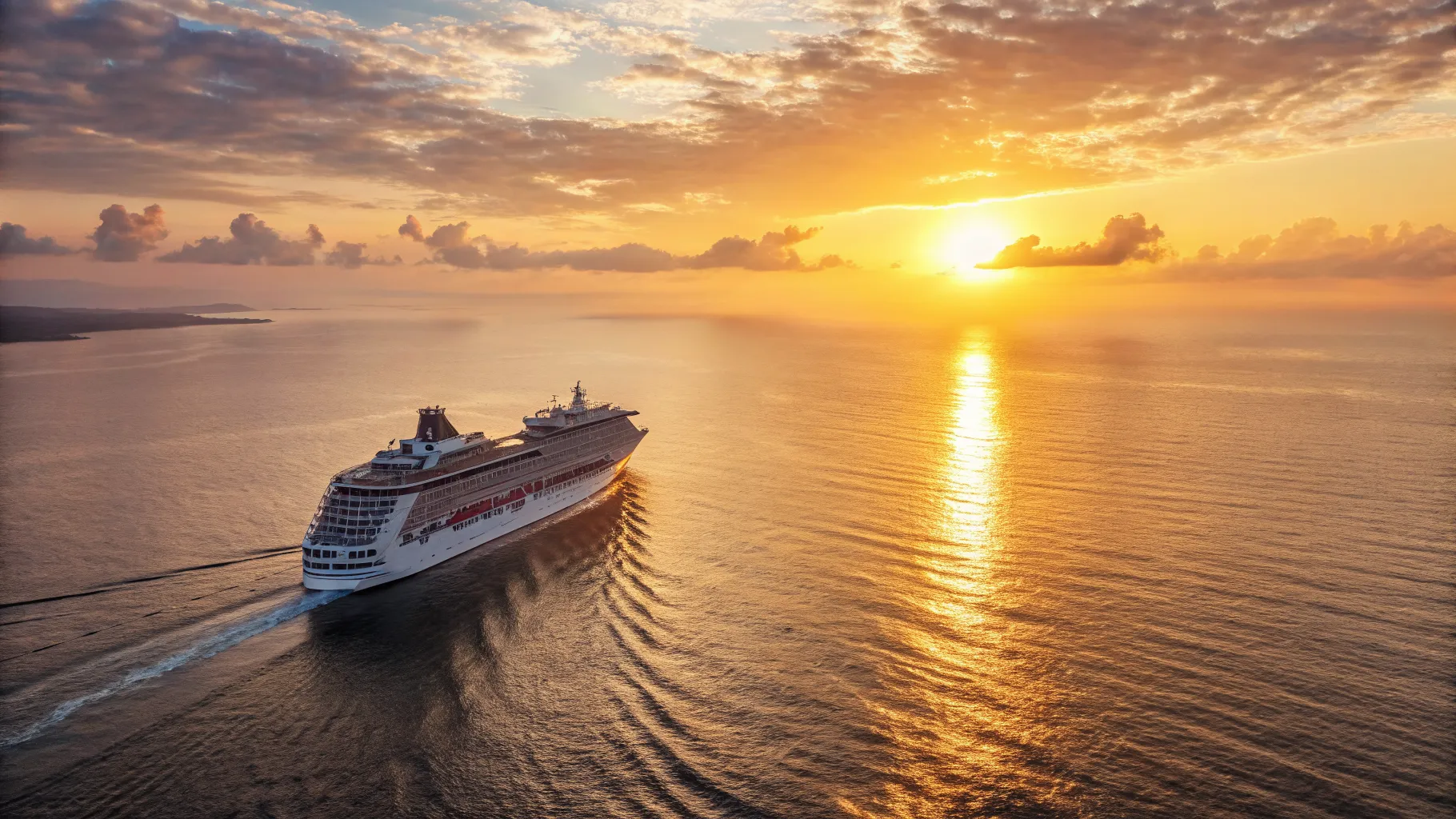
A 40-night cruise from Southampton to Australia is more than a holiday; it's a grand voyage that harks back to the golden age of ocean travel. This extensive journey, often called a repositioning cruise or a world cruise segment, takes you across hemispheres, through different climates, and to a diverse array of fascinating ports. It's an opportunity to truly unwind, disconnect, and see the world at a leisurely pace, with the comfort and amenities of a modern cruise ship as your home.
Understanding the Grand Voyage
A cruise of this length is fundamentally different from a typical week-long getaway. The itinerary will include a significant number of 'sea days', which are full days spent sailing without a port of call. These days are a core part of the experience, offering time for relaxation, exploration of the ship's facilities, and participation in a wide range of onboard activities. These voyages are often one-way, meaning the ship is repositioning from its European season to its Australian or Asian season.
This extended format attracts a different type of traveler, often those who are retired or have the flexibility for long-term travel. The atmosphere is generally more relaxed and community-oriented, as you'll be spending over a month with the same group of fellow passengers and crew. It’s a unique opportunity to form new friendships and share a remarkable travel experience with like-minded people from around the globe.
A Typical Itinerary and Ports of Call
While specific itineraries vary between cruise lines, the route from Southampton to Australia generally follows a well-trodden path. The journey typically begins by sailing south from the UK into the Mediterranean Sea. Early stops might include ports in Portugal, Spain, or Italy, offering a taste of European culture before the longer sea passages begin. The ship will then navigate the iconic Suez Canal, a man-made marvel connecting the Mediterranean to the Red Sea, which is a highlight for many travelers.
After transiting the canal, the cruise enters the Middle East, with potential stops in vibrant cities like Dubai or Muscat. The voyage continues across the Indian Ocean towards Asia, where you might visit ports in India, Sri Lanka, or Southeast Asian hubs like Singapore or Kuala Lumpur. The final leg of the journey takes you into Australian waters, often with a first stop in Fremantle (Perth) before continuing to other major cities like Adelaide, Melbourne, and finally, Sydney. Each port offers a unique cultural experience, from ancient history to modern marvels.
Life Onboard: Staying Entertained for 40 Nights
Cruise lines understand that keeping passengers engaged on a long voyage is key. Ships are equipped with a vast array of facilities, including multiple swimming pools, fitness centers, spas, theaters, cinemas, and libraries. The daily schedule is packed with activities to suit all interests. You might find enrichment lectures from guest speakers on topics like history, astronomy, or marine biology, relevant to the regions you are sailing through.
Additionally, a variety of classes are often available. These can range from creative pursuits like watercolor painting and photography to active options like dance classes and yoga. In the evenings, you can expect West End or Broadway-style shows, live music in various lounges, comedy acts, and themed parties. For those seeking quiet time, there are plenty of lounges and deck chairs for reading and enjoying the ocean views. Specialty dining restaurants also offer a change of pace from the main dining rooms.
Choosing the Right Cabin for a Long Journey
Your choice of cabin is more important on a 40-night cruise than on a shorter trip, as it will be your personal sanctuary for over a month. There are several categories to consider, each with different benefits and price points. An interior cabin is the most budget-friendly option but lacks a window. An oceanview cabin provides a window for natural light and a view, which can make a significant difference on long sea days.
Many experienced long-haul cruisers recommend a balcony cabin if the budget allows. Having a private outdoor space to enjoy a morning coffee, read a book, or watch the sunset can greatly enhance your experience. For those seeking more space and amenities, suites offer separate living areas, larger balconies, and often come with perks like priority embarkation and butler service. Consider your personal preferences for space, light, and privacy when making your decision.
Packing for Multiple Climates and Occasions
Packing for a journey that starts in the cool climate of the UK and ends in the Australian summer requires careful planning. The key is to pack layers. You will need warmer clothing for your departure from Southampton and for evenings on deck, which can be cool even in warm climates. As you travel through the Mediterranean, Middle East, and Asia, lightweight and breathable clothing made from cotton or linen will be essential for hot and humid conditions.
Most cruise lines have formal or 'elegant' nights, so be sure to pack appropriate attire, such as a suit or cocktail dress. Also consider the activities you'll do in port; comfortable walking shoes are a must. Other essential items include:
- Swimwear for the ship's pools and any beach destinations.
- Sun protection, including a wide-brimmed hat, sunglasses, and high-SPF sunscreen.
- Any necessary prescription medications for the entire duration of the trip, plus a basic first-aid kit.
- A reusable water bottle to stay hydrated.
- Binoculars for spotting wildlife or distant coastlines from the ship.
Budgeting for Onboard Expenses and Excursions
While your cruise fare covers accommodation, meals in main dining venues, and most entertainment, there are several additional costs to budget for. Drinks, including specialty coffees, sodas, and alcoholic beverages, are typically extra. Cruise lines offer beverage packages, which can be cost-effective if you plan to consume a fair amount. Other potential onboard costs include specialty dining restaurants, spa treatments, and internet access, which can be slow and expensive at sea.
Shore excursions organized by the cruise line are convenient but can be pricey. You can also explore ports independently or book tours with local operators for a potentially more authentic and affordable experience. Finally, most cruise lines add automatic daily gratuities to your onboard account to be distributed among the crew. It's wise to research the specific cruise line's policies on all these extra costs to create a realistic budget for your voyage.