A Guide to 10-Day Amalfi Coast and Sicily Cruises
Embarking on a 10-day cruise that combines the dramatic cliffs of the Amalfi Coast with the rich history of Sicily offers a unique way to experience two of Italy's most celebrated regions. This type of journey allows travelers to unpack once while visiting a series of breathtaking destinations, blending relaxation at sea with cultural exploration on land. Understanding the typical routes, key highlights, and practical considerations can help you make the most of this Mediterranean adventure.
Charting Your Course: Typical Itineraries
A 10-day cruise focusing on the Amalfi Coast and Sicily often begins or ends in major Italian port cities like Civitavecchia, the port for Rome, or Naples. This allows travelers to easily add a few days before or after their cruise to explore these historic hubs. The itinerary typically sails south along the Italian coast, dedicating several days to the Amalfi region before crossing the Tyrrhenian Sea to Sicily.
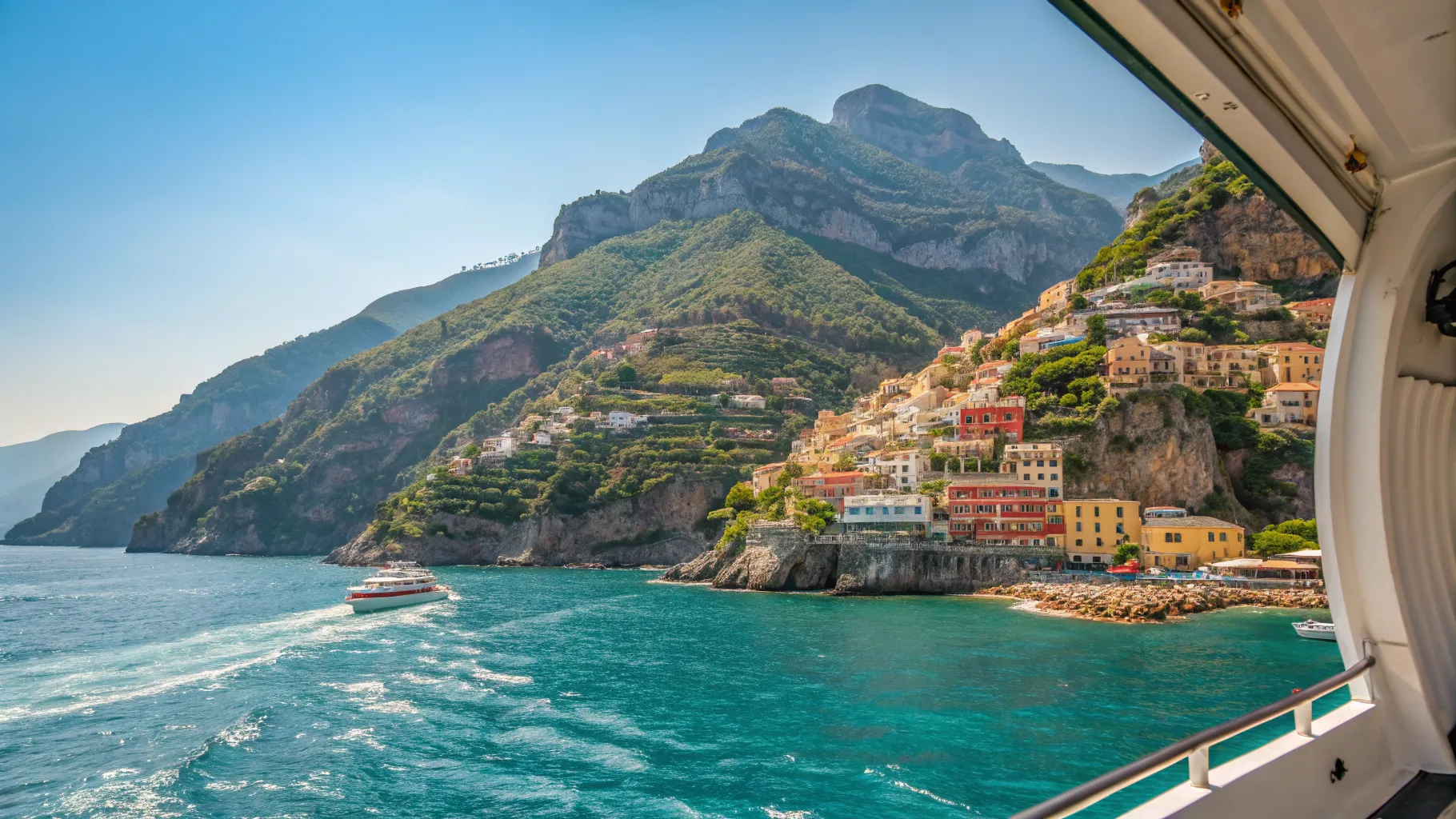
While on the Amalfi Coast, ships may anchor off the coast of towns like Positano, Amalfi, or Sorrento, using smaller tender boats to bring passengers ashore. This is because the ports themselves are too small for large cruise vessels. The Sicilian portion of the cruise might include stops in Palermo, the island's capital, Messina, a gateway to Taormina and Mount Etna, or Trapani on the western coast. Some itineraries may also include a visit to the Aeolian Islands or the island of Capri.
The Allure of the Amalfi Coast
The Amalfi Coast is a world-renowned destination famous for its stunning vertical landscape, where colorful villages cling to steep cliffs that plunge into the sea. A cruise offers a spectacular perspective of this coastline that is difficult to appreciate from land. During port calls, you'll have the chance to explore these charming towns. Shore excursions often involve navigating the winding coastal roads to visit multiple locations.
Common activities include:
- Wandering the narrow, boutique-lined streets of Positano.
- Visiting the historic Duomo di Sant'Andrea in the town of Amalfi.
- Enjoying the serene gardens and panoramic views from Ravello, perched high above the sea.
- Taking a boat tour to see the coastline from a different angle, perhaps visiting the famous Blue Grotto near Capri.
Discovering the Wonders of Sicily
Sicily, the largest island in the Mediterranean, offers a completely different experience with its rich tapestry of history, culture, and natural beauty. The island has been a crossroads of civilizations for millennia, and its architecture, cuisine, and traditions reflect Greek, Roman, Arab, and Norman influences. A cruise provides an efficient way to visit key coastal areas without the need to navigate the island by car.
In ports like Palermo, you can explore bustling street markets, magnificent cathedrals, and historic palaces. From Messina or Catania, a popular excursion is a trip to Taormina, known for its ancient Greek theater with breathtaking views of Mount Etna. For nature enthusiasts, some tours offer the chance to ascend part of Mount Etna, Europe's most active volcano, to see its unique volcanic landscapes.
Selecting Your Cruise Experience
The type of cruise ship you choose will significantly shape your journey. The routes to the Amalfi Coast and Sicily are serviced by a wide range of vessels, from massive, resort-style ships to smaller, luxury yachts. Larger ships generally offer more onboard amenities, such as multiple restaurants, theaters, pools, and kids' clubs, making them a popular choice for families and those seeking variety.
Smaller, more intimate ships, on the other hand, can often access smaller ports and coves that larger vessels cannot. This can lead to a more exclusive and less crowded experience. These cruises often focus more on the destinations themselves, with longer port times and curated cultural experiences. When comparing options, consider the cruise line's reputation, the onboard atmosphere, and what is included in the fare, such as meals, drinks, and shore excursions.
Best Seasons for Sailing
The primary cruise season for the Mediterranean runs from late spring to early autumn, typically from May through October. The summer months of July and August are the most popular, offering hot, sunny weather perfect for swimming and sunbathing. However, this is also the busiest and most expensive time, with significant crowds at major tourist sites.
For a more balanced experience, consider traveling during the shoulder seasons of spring (May and June) or autumn (September and October). During these periods, the weather is still pleasantly warm, but the crowds are thinner, and prices for cruises and flights may be lower. You'll be able to explore the towns and historical sites more comfortably, and the sea is often calm, making for smooth sailing.
Making the Most of Your Port Days
With a limited amount of time in each destination, planning is key to maximizing your experience ashore. Cruise lines offer a variety of organized shore excursions, which can be a convenient, worry-free way to see the highlights. These tours handle all transportation and logistics, ensuring you get back to the ship on time. However, they can also be crowded and follow a rigid schedule.
Alternatively, you can explore independently. This gives you the freedom to set your own pace and discover places off the beaten path. Before you arrive, research each port to identify your must-see sights and plan your route. Remember to factor in travel time, especially on the Amalfi Coast where traffic can be heavy. Always keep a close eye on the time, as the ship will not wait for late passengers.