A Complete Guide to Furniture Restoration Classes
Learning to restore furniture is a rewarding skill that combines creativity, patience, and craftsmanship. It allows you to breathe new life into forgotten treasures and preserve family heirlooms. For those looking to get started, a structured class can provide the foundational knowledge and confidence needed to tackle restoration projects successfully.
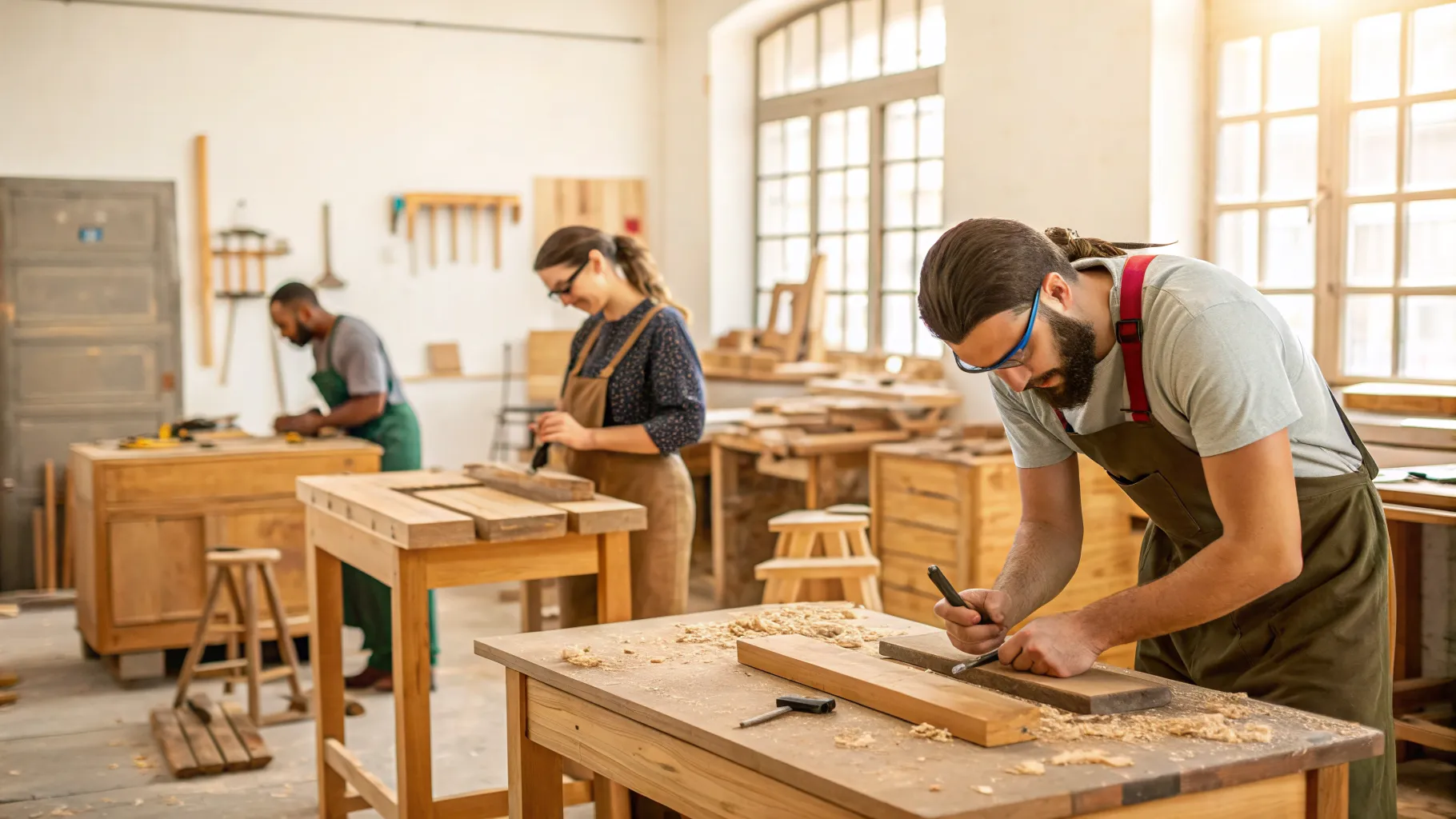
What Are Furniture Restoration Classes?
Furniture restoration classes are structured learning experiences designed to teach the techniques required to repair, refinish, and preserve furniture. These courses cover a wide spectrum of skills, from simple cosmetic fixes to complex structural repairs and historical preservation methods. The primary goal is to equip students with the practical knowledge to safely and effectively work on various types of furniture, whether it's a modern piece or a valuable antique.
Instructors are typically experienced craftspeople who guide students through the entire process. This includes assessing a piece of furniture for damage, choosing the appropriate materials and tools, and applying finishing techniques. These classes demystify the art of restoration, making it accessible to hobbyists and aspiring professionals alike.
Common Types of Classes Available
The world of furniture restoration education is diverse, with formats to suit different schedules and learning preferences. You can often find single-day workshops that focus on a specific skill, such as basic wood finishing or chair caning. For a more comprehensive education, there are multi-week courses or even semester-long programs offered at vocational schools or community colleges.
Classes also vary by specialization. Some focus exclusively on woodworking, teaching skills like joinery repair, veneer application, and wood turning. Others are dedicated to upholstery, covering everything from fabric selection and pattern making to webbing and spring tying. There are also specialized courses in antique restoration, which delve into period-specific techniques and materials to maintain the historical integrity of a piece.
What to Expect in a Beginner's Course
If you're new to furniture restoration, a beginner's course is the ideal starting point. These classes are designed for individuals with little to no prior experience. A significant portion of the initial lessons will be dedicated to safety, including the proper handling of tools, chemicals like paint strippers, and the importance of ventilation and personal protective equipment.
The curriculum typically follows a logical progression. You will start by learning how to properly assess and disassemble a piece of furniture. From there, you'll move on to core skills such as stripping old finishes, sanding surfaces to a smooth finish, and making minor repairs. Finally, you will learn about applying new finishes, including stains, oils, waxes, and varnishes, to achieve a professional look. Many introductory courses are project-based, allowing you to work on your own small piece of furniture under expert guidance.
Finding In-Person Workshops
For those who prefer hands-on learning, in-person workshops offer direct access to expert instructors and specialized equipment. A great place to start your search is at local community centers, vocational-technical schools, and community colleges. These institutions often have established woodworking or trade programs that include furniture restoration.
You can also look for private studios and woodworking co-ops in your area. Many professional restorers and woodworkers offer small group classes or one-on-one tutoring. Searching online for terms like 'furniture refinishing class near me' or 'upholstery workshop in my city' can yield excellent local results. Don't forget to check with local craft schools or historical societies, as they sometimes host workshops focused on traditional restoration techniques.
The Rise of Online Restoration Courses
Online courses have made learning furniture restoration more accessible than ever. These digital classes offer the flexibility to learn at your own pace and from the comfort of your own home. They typically consist of pre-recorded video lessons, detailed written guides, and sometimes live Q&A sessions with the instructor. This format is ideal for self-motivated individuals or those who cannot commit to a fixed class schedule.
While online learning lacks the direct, in-person feedback of a traditional workshop, many platforms compensate with strong community features. Students can often share progress photos, ask questions in forums, and get feedback from both peers and instructors. When considering an online course, look for one with high-quality video production, clear instruction, and a comprehensive curriculum that covers both theory and practical application.
How to Choose the Right Class for You
With so many options, selecting the right furniture restoration class depends on your personal goals and circumstances. Before enrolling, take some time to evaluate what you hope to achieve. Are you a complete beginner wanting to learn the basics, or do you have some experience and want to master a specific skill like upholstery?
Consider the following factors to make an informed decision:
- Skill Level: Look for courses that explicitly state they are for beginners, intermediate, or advanced students to ensure the content matches your abilities.
- Time Commitment: Decide if you prefer a short workshop, a multi-week course, or a self-paced online program that fits your schedule.
- Learning Style: Are you a hands-on learner who would benefit from an in-person workshop, or do you prefer the flexibility of online video tutorials?
- Project Focus: Some classes require you to bring your own project, while others provide materials to practice on. Check the course description for these details.
- Budget: Course fees can vary widely. Factor in the cost of tuition as well as any required tools or materials you may need to purchase.