A Complete Guide to Music Lessons for Seniors
Learning to play a musical instrument is a rewarding endeavor that is not restricted to any particular age group. In recent years, a growing number of older adults have turned to music education to keep their minds sharp and their spirits high. Engaging in music lessons for seniors offers a unique combination of cognitive engagement, emotional satisfaction, and social interaction.
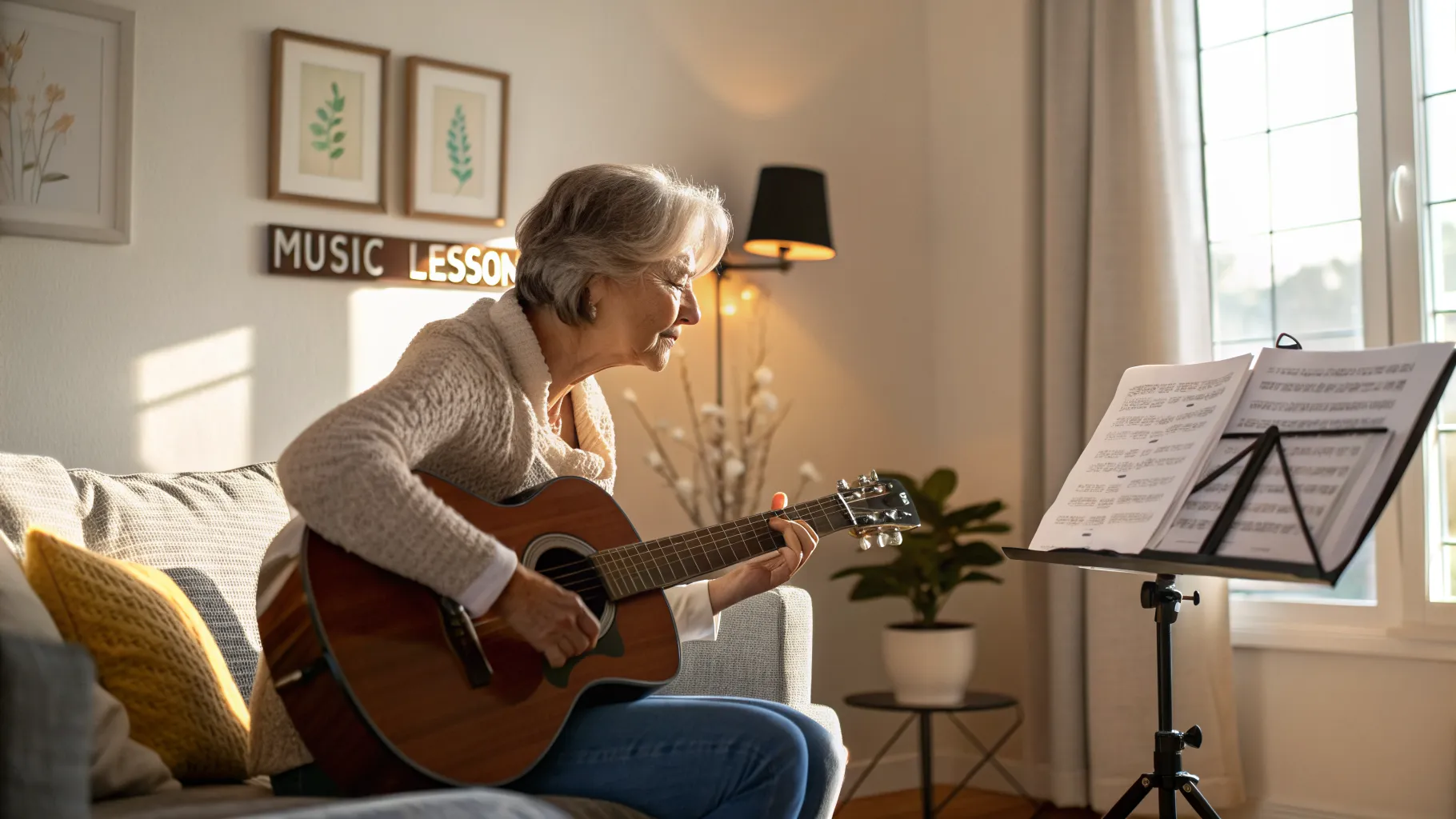
The Cognitive and Physical Benefits of Playing Music
Engaging with music involves complex brain functions that can help maintain cognitive health. Studies have shown that reading sheet music, coordinating hand movements, and listening to pitch require simultaneous processing across multiple areas of the brain. This mental workout is highly beneficial for seniors looking to preserve memory, improve focus, and build new neural pathways.
Beyond the mental advantages, playing an instrument can also provide mild physical benefits. Fine motor skills are continually exercised when pressing piano keys, covering flute holes, or plucking guitar strings. Keeping the hands and fingers active helps maintain joint flexibility and dexterity as people age, making music a wonderful addition to a healthy lifestyle.
Choosing the Right Instrument for Your Lifestyle
Selecting an instrument is a highly personal choice that depends on physical capabilities, living arrangements, and musical preferences. Some seniors might find the physical demands of brass or heavy woodwind instruments challenging due to breath control requirements or instrument weight. Conversely, instruments like the piano, the ukulele, or the acoustic guitar are often considered excellent starting points because they require less immediate physical strain to produce a clear note.
Living situations also play a significant role in this decision. Individuals in apartments or shared communities might prefer electronic keyboards with headphone jacks to practice without disturbing their neighbors. Those with more space and fewer noise restrictions might opt for traditional acoustic instruments if their living space allows for comfortable storage and playing.
Exploring Different Learning Formats and Venues
The modern landscape of music education provides several learning options for adults, ranging from traditional in-person instruction to digital platforms. Local community centers and adult education programs frequently offer group beginner classes. These settings provide a welcoming environment where seniors can learn alongside peers who share similar goals and musical interests, functioning as an excellent beginner classes guide for those looking for social interaction.
Private instruction remains a popular route for those who prefer personalized feedback and a customized learning pace. Many private tutors have experience tailoring their methods to accommodate older learners, ensuring that any physical limitations do not hinder progress. Alternatively, online lessons offer maximum flexibility, allowing seniors to learn from the comfort of their own homes using modern video conferencing tools.
What to Look for in a Music Instructor
Finding an instructor who understands the specific needs of older adults is crucial for a successful learning experience. A good teacher for seniors should possess a high degree of patience and excellent communication skills. They need to recognize that adults learn differently than children, often relying more on conceptual understanding and musical theory rather than simple rote repetition.
It is highly recommended to interview potential teachers before committing to a long-term block of lessons. Prospective students should ask about the teacher's experience with mature beginners and their approach to building a repertoire. An ideal instructor will be willing to incorporate music that the student actually enjoys, ensuring the learning process remains enjoyable and relevant.
Overcoming Common Challenges and Frustrations
Starting a new skill later in life can bring about moments of frustration, especially when physical dexterity does not immediately match mental comprehension. It is quite common for seniors to experience temporary finger soreness or minor joint stiffness during the initial weeks of practice. Recognizing these hurdles as a normal part of the learning curve is essential for maintaining motivation and avoiding early burnout.
Managing expectations is another critical component of adult learning. Progress might seem slow at first, but consistent and gentle practice yields steady results over time. Setting small, achievable goals, such as mastering a single scale or learning the first few bars of a favorite melody, helps maintain a positive outlook and prevents unnecessary discouragement.
How to Build a Sustainable Practice Routine
Consistency is far more valuable than the total duration of practice when it comes to retaining new musical skills. Short, daily practice sessions of fifteen to twenty minutes are generally much more effective than attempting a single marathon session once a week. This structured approach prevents physical strain and allows the brain sufficient time to process and consolidate newly acquired musical information.
Creating a dedicated practice space can also heavily reinforce this routine. Having an instrument easily accessible on a stand, with sheet music already open, removes the barrier of setting up equipment every time a senior wants to play. A comfortable, well-lit environment encourages regular engagement and transforms daily practice from a chore into a highly anticipated ritual.