Gardening Classes for Beginners Over 60: A Comprehensive Guide
Gardening is a rewarding hobby that offers physical activity, mental stimulation, and a connection to nature. For adults over sixty who are new to cultivating plants, taking a structured class can provide the foundational knowledge needed to start a thriving garden. Whether you are interested in growing vibrant flowers or harvesting your own vegetables, beginner workshops cater specifically to older learners by focusing on accessible techniques and essential skills.
The Benefits of Learning Gardening Later in Life
Starting a new hobby in your sixties or beyond comes with numerous advantages, especially when it involves working with nature. Gardening classes for beginners over 60 often emphasize the physical and cognitive benefits of the activity. Engaging in light to moderate physical labor helps maintain joint flexibility, builds strength, and improves cardiovascular health. Furthermore, learning about plant biology and soil chemistry stimulates the mind.
Beyond the physical perks, gardening courses for retirees offer a wonderful social outlet. Attending local workshops allows older adults to meet like-minded individuals in their community. Cultivating a garden together or sharing tips during a class fosters friendships and combats the isolation that sometimes accompanies retirement.
What to Expect from Beginner Gardening Workshops
When enrolling in beginner gardening workshops for seniors, you can anticipate a welcoming environment designed for absolute novices. Instructors usually start with the absolute basics, assuming no prior knowledge. You will learn about different soil types, the importance of sunlight, and how to choose the right plants for your specific climate or hardiness zone.
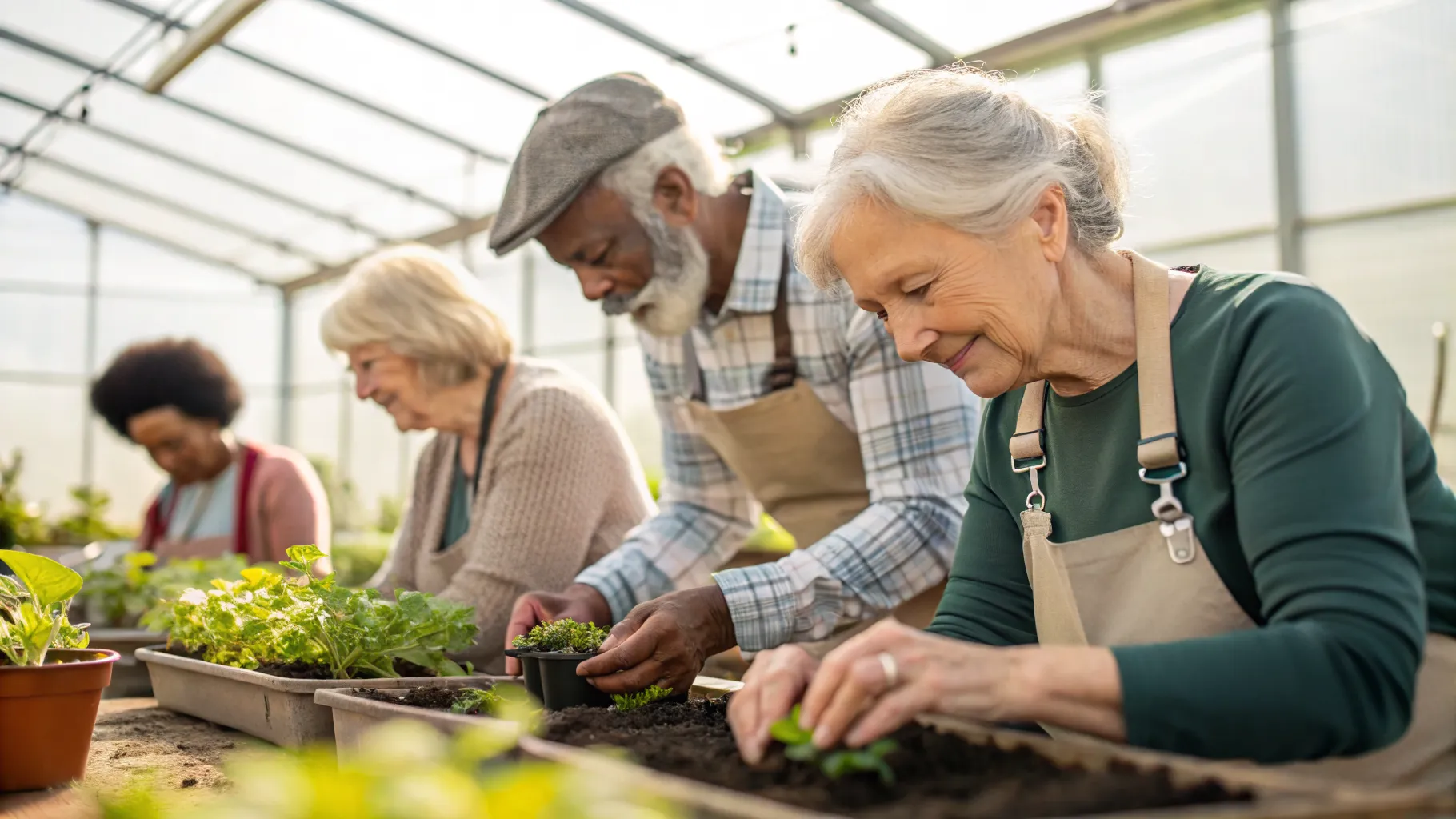
Many classes also incorporate hands-on activities to reinforce theoretical lessons. You might practice seed sowing, transplanting seedlings, or mixing potting soil right in the classroom. This practical approach ensures that you feel confident applying these new skills at home, whether you have a sprawling backyard or a modest apartment balcony.
Exploring Different Types of Gardening Courses
The world of gardening is vast, and classes are often tailored to specific interests or space limitations. For instance, container gardening courses are incredibly popular among older adults looking to minimize heavy lifting and bending. These classes teach you how to grow herbs, tomatoes, and ornamental flowers in pots that can be placed on patios or windowsills.
Another common focus is raised bed gardening, which is ideal for those who wish to grow larger crops without the strain of traditional in-ground digging. Instructors will cover how to construct or purchase the right beds, how to fill them with nutrient-rich soil, and how to practice companion planting. Understanding these variations helps you choose a class that aligns with your physical capabilities and living situation.
Where to Find Gardening Classes for Older Adults
Locating the right class is the first step toward your new horticultural journey. Local botanical gardens and arboretums are excellent places to start, as they frequently host educational programs for the public. These institutions often offer specialized beginner gardening workshops for seniors, taking advantage of their on-site greenhouses and expert horticulturists.
Community colleges, adult education centers, and local cooperative extension offices also provide a wealth of resources. The Master Gardener program, run by extension offices in many regions, frequently hosts public seminars and introductory courses. Additionally, community centers and senior centers often partner with local gardening clubs to offer free or low-cost lessons tailored specifically for retirees.
Essential Tools and Ergonomic Equipment for Seniors
As you learn how to start gardening over 60, instructors will likely introduce you to tools that make the process safer and more comfortable. Ergonomic tools designed with padded handles and modified angles help reduce strain on the wrists and hands. These tools are especially beneficial for individuals dealing with arthritis or reduced grip strength.
Classes often highlight the importance of joint protection and pacing yourself. You will learn about kneeling pads, rolling garden seats, and lightweight hoses that prevent back pain and fatigue. Knowing which tools to invest in ensures that your gardening experience remains a joyful and pain-free endeavor rather than a physical chore.
Tips for Getting the Most Out of Your Classes
To maximize your experience in gardening classes for beginners over 60, it is helpful to arrive prepared and open to learning. Bring a notebook and pen to jot down specific plant names, watering schedules, and seasonal advice provided by the instructor. Asking questions is highly encouraged, as it helps clarify concepts like fertilizer ratios or pest control methods.
Practice makes perfect when it comes to cultivating plants. Try to apply what you learn immediately by starting a small project at home, such as planting a single windowsill herb or a small outdoor container. Connecting with your classmates outside of the workshop to share progress and swap seeds can also enhance your learning experience and keep you motivated.