Floral Arranging Classes for Seniors: A Complete Guide
Floral arranging is a popular and rewarding activity that allows individuals to express their creativity while working with nature. For older adults, participating in structured classes provides a wonderful opportunity to learn new skills and socialize in a relaxed environment.
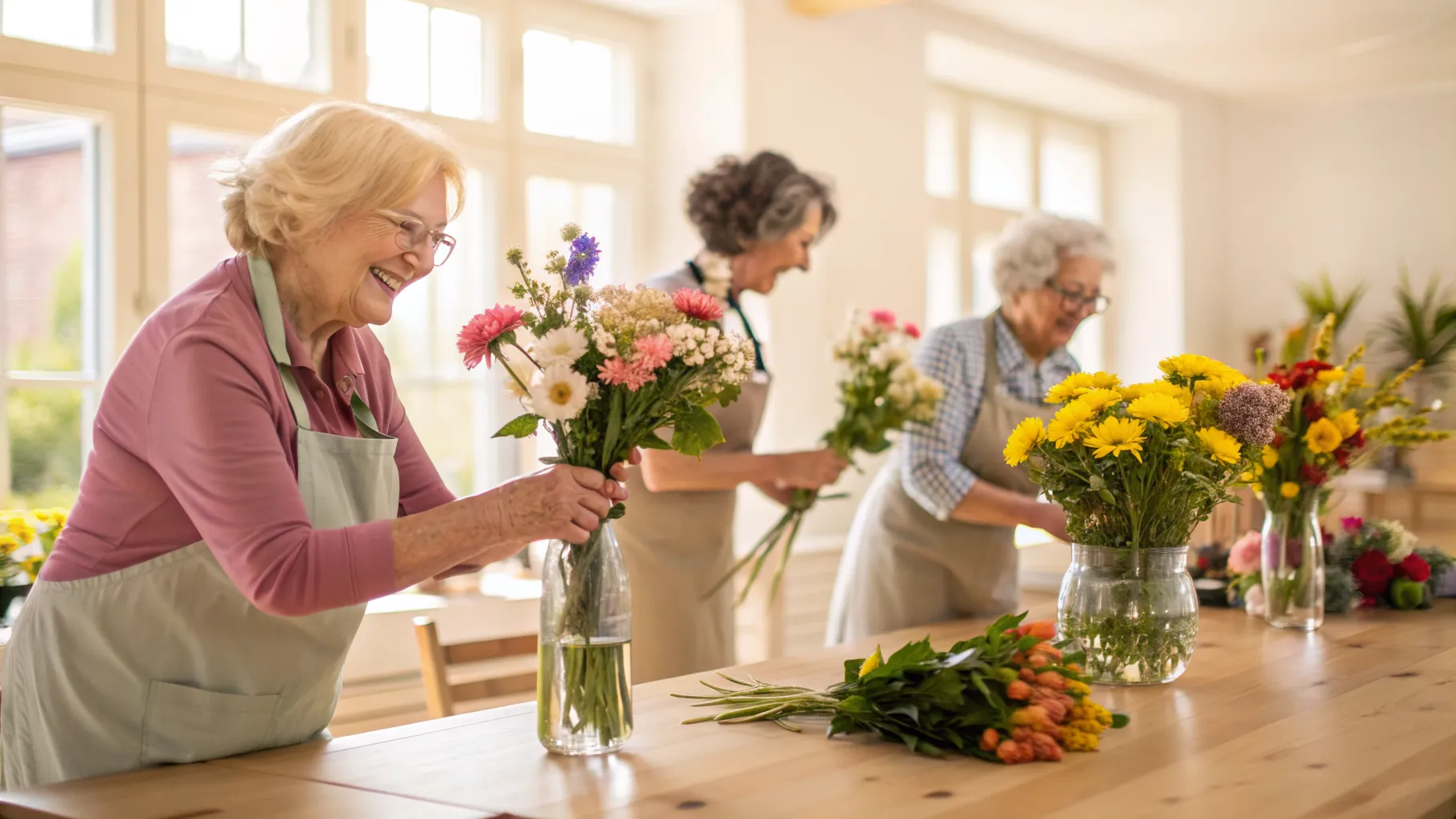
The Benefits of Floral Arranging for Older Adults
Engaging with flowers and plants offers numerous cognitive and physical benefits. The tactile experience of handling different stems and leaves can improve fine motor skills and hand-eye coordination. Additionally, the focus required to design a balanced arrangement often promotes a sense of mindfulness, which can reduce stress and elevate mood.
Beyond the physical and mental advantages, these workshops serve as excellent social outlets. Seniors can connect with peers who share similar interests, fostering a sense of community. The shared experience of learning and creating together helps combat loneliness and encourages meaningful conversations among participants.
What to Expect in a Beginner Class
A typical beginner floral arranging class for seniors is designed to be accessible and stress-free. Instructors usually start with a brief introduction to the basics of floral design, covering concepts like color theory, proportion, and texture. Participants are then guided step-by-step through the process of creating their first centerpiece or bouquet.
The pacing of these sessions is generally relaxed to ensure everyone can follow along comfortably. Venues are often equipped with accessible seating and adequate lighting to accommodate various physical needs. At the end of the session, attendees are almost always encouraged to take their creations home to enjoy.
Types of Creative Workshops Available
There is a wide variety of floral arranging classes tailored to different interests and skill levels. Some workshops focus entirely on seasonal arrangements, utilizing spring tulips, summer sunflowers, or festive winter greens depending on the time of year. Other classes might explore specific styles, such as Japanese Ikebana, modern minimalist designs, or traditional European clustering.
Specialized sessions might also incorporate other elements of horticulture and design. For example, some classes teach participants how to create long-lasting dried flower wreaths or how to properly construct a terrarium. This variety ensures that returning students always have a new technique or style to explore.
Where to Find Floral Arranging Classes for Seniors
Locating a class in your area is often as simple as checking with local community centers or senior centers. These organizations frequently host recreational programs specifically designed for older adults, often at subsidized rates. Public libraries and adult education programs also regularly feature creative workshops, including floral design.
Local botanical gardens and independent florist shops are other excellent resources. Many florists enjoy sharing their craft and offer weekend or evening sessions for beginners. Additionally, community colleges sometimes provide non-credit enrichment courses that serve as an in-depth learning guide for aspiring amateur florists.
Essential Tools and Supplies Provided
One of the main advantages of attending a structured workshop is that all necessary materials are typically provided by the instructor. This eliminates the need for participants to invest heavily in specialized equipment before deciding if they truly enjoy the hobby. The standard tool kit usually includes a few specific items.
- Floral shears: Sharp clippers designed specifically for cleanly cutting plant stems without crushing them.
- Containers and vases: A variety of vessels to hold the arrangements, ranging from simple glass jars to decorative ceramic bowls.
- Mechanics: Items like floral tape, chicken wire, or eco-friendly foam alternatives used to hold stems securely in place.
- Fresh blooms and foliage: A curated selection of primary flowers, filler flowers, and greenery chosen for the specific project.
How to Choose the Right Learning Guide or Course
When selecting a class, it is important to consider the overall environment and the instructor's approach. Look for courses explicitly labeled as beginner-friendly or specifically tailored for seniors, as these will likely offer the most supportive atmosphere. Reading reviews or asking for recommendations from friends can provide valuable insight into the instructor's teaching style.
Practical considerations are equally important when making a decision. Check the location for accessibility, parking availability, and proximity to public transportation. Also, review the class duration to ensure it is manageable. Most introductory workshops last between one and two hours, providing plenty of time to learn without causing physical fatigue.