A Comprehensive Guide to Floral Design Classes in 2026
As the floral industry continues to evolve, educational opportunities are expanding to meet the diverse needs of aspiring florists. In 2026, floral design classes blend traditional techniques with modern, eco-friendly practices to provide a comprehensive learning experience.
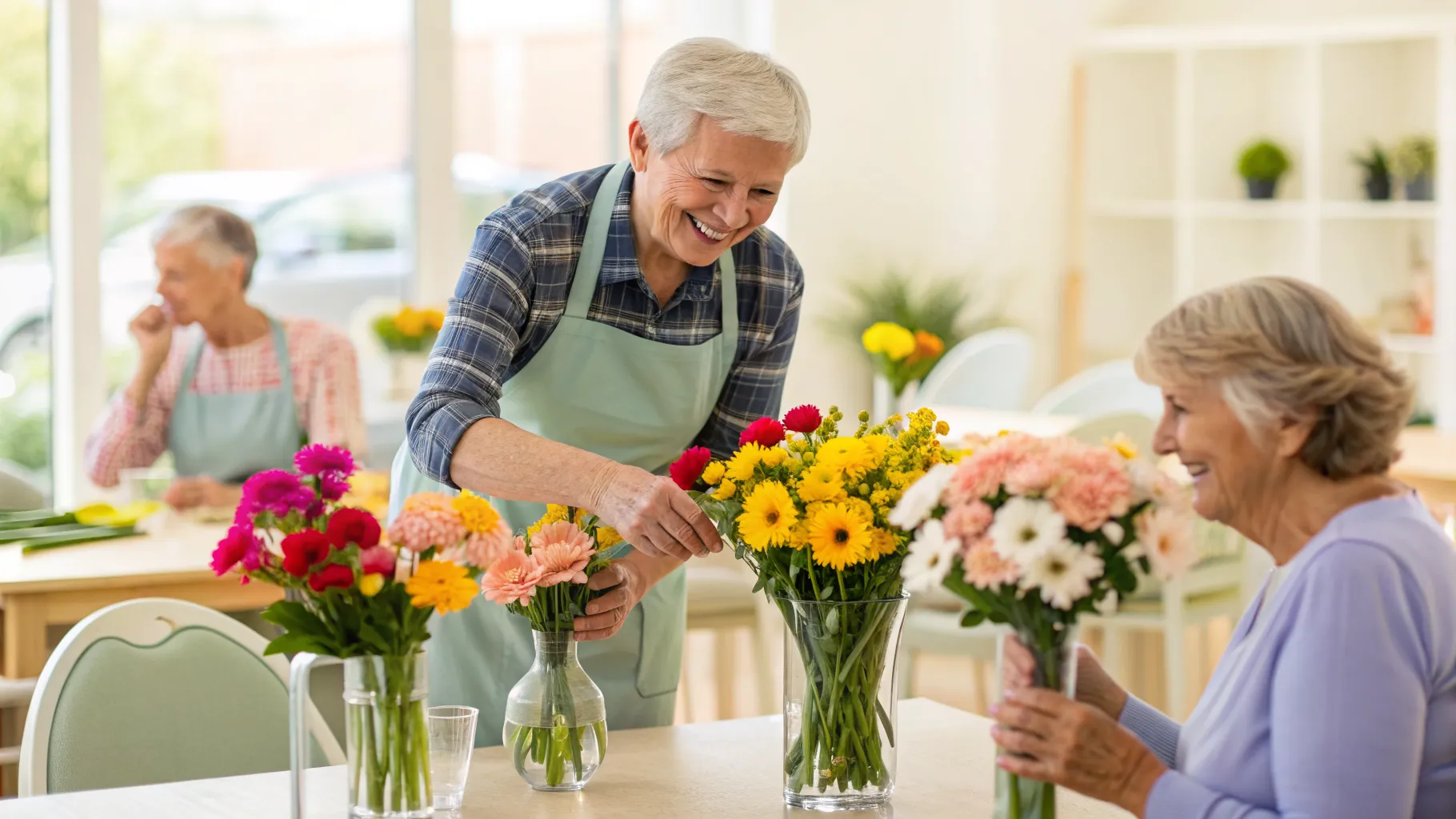
The Evolution of Floral Design Education
In recent years, the approach to teaching floristry has shifted significantly. Educational formats in 2026 often include a mix of hands-on studio sessions and digital learning platforms. This hybrid approach allows students to study theoretical concepts like color theory and botany at home while dedicating in-person time entirely to practical mechanics.
Furthermore, contemporary classes place a heavy emphasis on sustainability. Instructors are moving away from outdated materials and teaching methods that prioritize environmental consciousness. Students can expect curriculums that highlight seasonal foraging, local flower sourcing, and waste reduction strategies from the very first lesson.
Types of Beginner Classes Available
For those just starting out, beginner classes provide the foundational skills necessary to create stable and aesthetically pleasing arrangements. These introductory courses typically focus on the basics of flower care, processing, and simple design principles. A standard beginner learning guide usually covers the following core areas:
- Proper sanitation and conditioning of cut flowers to maximize vase life.
- Basic mechanics for creating hand-tied bouquets and low centerpieces.
- An introduction to color theory and textural contrast in arrangements.
- Familiarization with essential tools like floral shears, wire, and tape.
Advanced and Specialized Creative Workshops
Once the fundamentals are mastered, students often seek out specialized creative workshops to refine their unique design style. These advanced classes focus on specific niches within the floral industry, such as large-scale event installations, intricate wearable botanicals, or fine art sculptural designs. Instructors in these workshops often encourage students to push the boundaries of traditional shapes and color palettes.
Advanced coursework also tackles the logistical challenges of executing complex designs. Students learn how to engineer hanging installations safely, design sprawling floral arches without relying on traditional floral foam, and manage timelines for large events. These workshops are essential for individuals looking to transition from casual arranging to professional event design.
What to Look For in a Learning Guide
Selecting the right educational path requires careful consideration of what a specific curriculum offers. Prospective students should evaluate the syllabus of any floral design class to ensure it aligns with their personal or professional goals. When reviewing a course description, look for these key indicators of a well-rounded program:
- Transparency regarding the materials and tools provided during the course.
- A balance between instructor demonstrations and independent hands-on practice time.
- Clear information on the student-to-teacher ratio to ensure adequate individual feedback.
- Opportunities to photograph finished work for portfolio building.
The Role of Sustainable Practices in Modern Floristry
Sustainability is no longer a niche concept in floral design; it is a central pillar of modern education. Classes in 2026 dedicate significant time to teaching foam-free mechanics. Floral foam, a single-use microplastic, is being replaced by reusable alternatives like chicken wire, pin frogs, and organic armatures.
Educators also emphasize the importance of understanding the supply chain. Students learn how to build relationships with local flower farmers and how to choose blooms that have a lower carbon footprint. This holistic approach ensures that the next generation of florists can create beautiful work while minimizing their environmental impact.
Career Paths and Hobbyist Opportunities
Completing floral design classes opens the door to a variety of applications. For many, floristry remains a deeply fulfilling creative outlet. Hobbyists use their newly acquired skills to bring natural beauty into their homes, design gifts for friends, or participate in local community garden clubs. The therapeutic benefits of working with flowers make it a popular pastime.
For those looking to turn their passion into a profession, the career paths are incredibly diverse. Graduates may go on to work in traditional retail flower shops, launch their own wedding and event design businesses, or specialize in corporate weekly accounts. The solid foundation provided by contemporary classes ensures that students are prepared for the multifaceted demands of the modern floral market.