Exploring the Anticipated 2026 BYD Seal
The electric vehicle market is constantly evolving, with new models introducing advanced technology and compelling designs. One of the most talked-about upcoming vehicles is the 2026 BYD Seal. As an electric sedan from a rapidly growing global automaker, it aims to combine performance, style, and innovation. This vehicle represents a significant step for BYD as it expands its presence in various international markets, offering a new choice for consumers looking for a mid-size electric car.
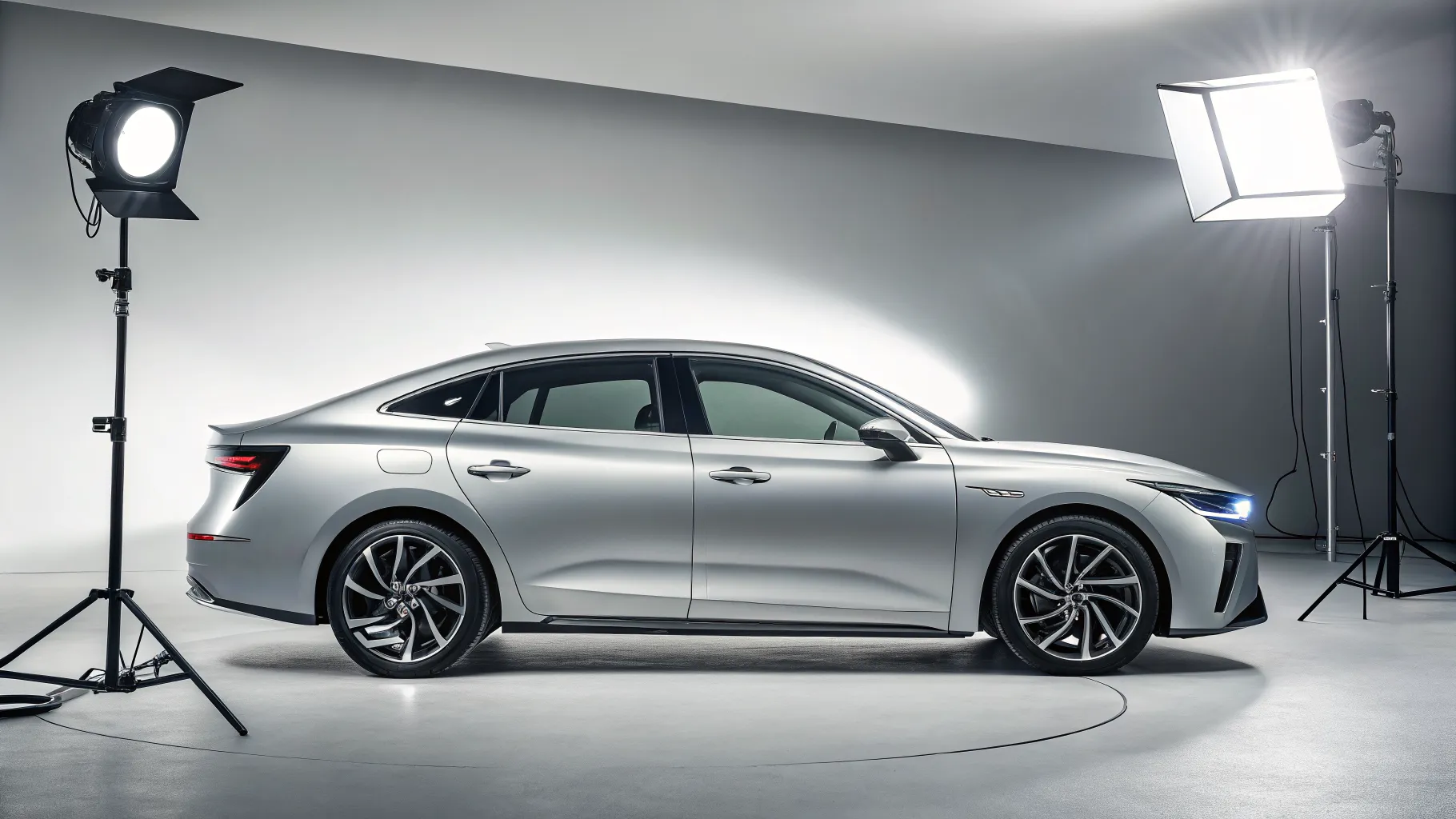
What is the 2026 BYD Seal?
The BYD Seal is a fully electric, D-segment sedan developed by BYD Auto, a major player in the new energy vehicle space. The Seal is built on the company's advanced e-Platform 3.0, which is specifically designed for electric vehicles. This platform integrates key components, including the battery, motor, and control units, to improve efficiency, safety, and performance. The Seal is a core part of BYD's 'Ocean Series' of vehicles, which feature a distinct design language inspired by marine life and aesthetics.
Positioned as a direct competitor to popular electric sedans, the Seal is intended to appeal to a broad audience, from families to tech-savvy individuals. Its introduction to global markets signifies BYD's ambition to challenge established automakers. The vehicle focuses on providing a balance of long-range capability, modern features, and a dynamic driving experience, all within a sleek and aerodynamic package.
Design Philosophy and Aesthetics
The design of the BYD Seal is a major talking point, guided by the 'Ocean Aesthetics' philosophy. This approach results in a low-slung, sporty silhouette with smooth, flowing lines that mimic the movement of water. The front of the car features a distinctive X-shaped fascia with thin LED headlights that create a sharp, modern look. The overall shape is highly aerodynamic, which not only enhances its appearance but also contributes to its efficiency and range.
Inside, the cabin continues the ocean-inspired theme with a fluid and minimalist layout. A key feature is the large, rotating central touchscreen, a signature element in modern BYD vehicles, which can be switched between portrait and landscape orientations. The interior materials often include a mix of soft-touch surfaces, sustainable materials, and metallic accents, creating a premium and comfortable environment. Attention to detail is evident in elements like the crystal-style gear selector and the wave-like door handles.
Performance and Powertrain Options
The 2026 BYD Seal is expected to be available with several powertrain configurations to cater to different customer needs and budgets. This flexibility allows buyers to choose between a focus on maximum range or enhanced performance. The foundation of these options is BYD's proprietary Blade Battery technology, known for its safety profile and energy density.
The typical options available in different markets include:
- Standard Range RWD: This entry-level version usually features a single electric motor powering the rear wheels. It offers a balance of adequate performance for daily driving and a respectable driving range, making it a practical and accessible choice.
- Long Range RWD: This option upgrades to a larger battery pack, significantly extending the driving range. It remains a rear-wheel-drive setup, prioritizing efficiency and distance over outright acceleration.
- Performance AWD: The top-tier model adds a second motor to the front axle, creating an all-wheel-drive system. This version delivers impressive acceleration and handling, appealing to driving enthusiasts, while still providing a substantial range.
Technology and Infotainment
Technology is at the forefront of the BYD Seal's appeal. The centerpiece of the dashboard is the large, rotating infotainment screen, which runs on BYD's DiLink intelligent connectivity system. This system supports a wide range of applications, navigation, and vehicle settings, along with voice commands for hands-free operation. The user interface is designed to be intuitive and responsive, similar to a modern tablet.
Beyond the central screen, the Seal is equipped with a comprehensive suite of driver-assistance systems. These typically include adaptive cruise control, lane-keeping assist, blind-spot monitoring, and a 360-degree camera system. These features enhance both safety and convenience, especially during long drives or in dense city traffic. Connectivity options like Apple CarPlay and Android Auto are generally available, ensuring seamless integration with personal devices.
How it Compares to Competitors
The BYD Seal enters a highly competitive segment of the EV market, facing established rivals. Its primary competitors include the Tesla Model 3, Hyundai Ioniq 6, and Polestar 2. The Seal aims to differentiate itself with its Blade Battery technology, distinctive design, and a well-appointed interior that often feels more premium than some competitors at a similar price point.
Compared to the Tesla Model 3, the Seal often presents a more traditional yet luxurious interior design, which may appeal to buyers who find the Model 3's minimalist cabin too stark. Against the Hyundai Ioniq 6, the Seal competes on design, with both cars offering unique, aerodynamically-focused styling. The choice between them may come down to personal aesthetic preference and brand perception. The Polestar 2 is known for its build quality and performance, but the Seal often counters with more advanced battery technology and a potentially more comfortable ride.
What to Expect and Initial Reviews
As the 2026 BYD Seal continues its rollout in various global markets, expectations are high. Early reviews from regions where it is already available have been largely positive, with journalists praising its comfortable ride, quiet cabin, and the responsiveness of its electric powertrain. The build quality and the premium feel of the interior are frequently highlighted as strong points, especially considering its competitive pricing.
Potential buyers should look for a vehicle that offers a compelling blend of range, features, and style. The different trim levels provide clear choices between efficiency and performance. While brand recognition may be a hurdle for BYD in some markets, the quality and technological advancements of the Seal are helping to build its reputation as a serious contender in the electric sedan space.