Exploring New Treatment Options for Osteoarthritis
Osteoarthritis (OA) is the most common form of arthritis, characterized by the breakdown of joint cartilage and underlying bone. Traditionally, treatment has focused on pain relief and managing symptoms through medication, physical therapy, and in severe cases, joint replacement surgery. However, the field of OA treatment is continuously evolving, with researchers and clinicians exploring novel therapies that offer new hope for those living with this chronic condition. These new options aim not only to alleviate pain but also to address the underlying disease mechanisms and potentially restore joint function.
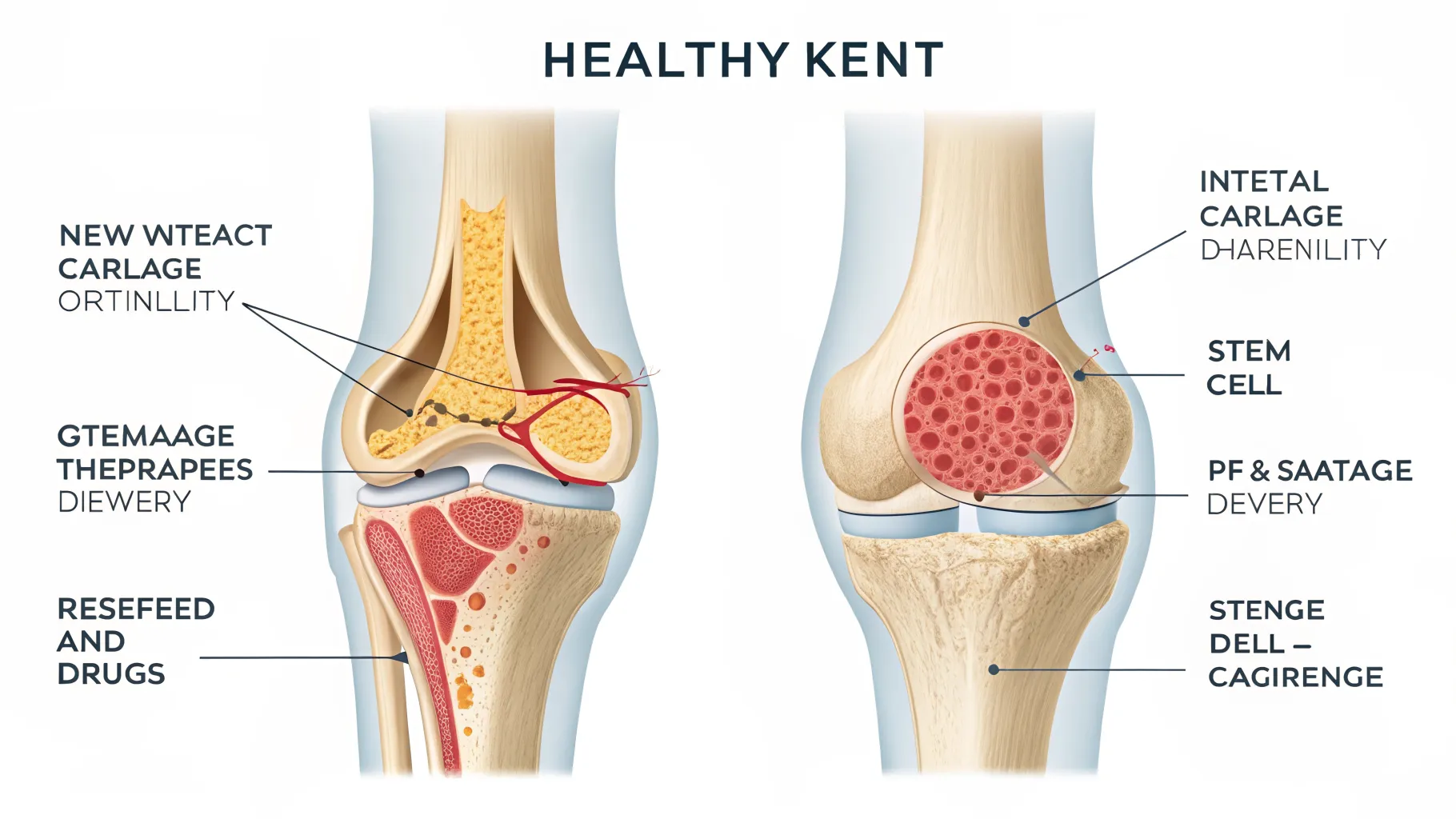
Understanding the Evolving Landscape of OA Treatment
For many years, the primary focus of osteoarthritis treatment revolved around symptom management, largely through nonsteroidal anti-inflammatory drugs (NSAIDs) and pain relievers. While these remain important tools, a deeper understanding of OA's complex pathology, including inflammatory processes, cartilage degradation, and bone remodeling, has paved the way for more targeted and potentially disease-modifying therapies. The goal is shifting from merely masking pain to addressing the root causes of joint deterioration.
This evolving landscape encourages a multi-faceted approach, often combining different types of treatments to achieve optimal outcomes. Patients now have more discussions with their healthcare providers about personalized treatment plans that consider their specific joint involvement, disease severity, lifestyle, and overall health. The integration of various therapeutic modalities is becoming a cornerstone of modern OA management.
Advancements in Pharmacological Interventions
Recent years have seen the development of new pharmacological agents that go beyond traditional pain relief. Some of these medications target specific inflammatory pathways or enzymes involved in cartilage breakdown. For instance, certain anti-nerve growth factor (anti-NGF) antibodies are being investigated for their potent pain-relieving effects in OA, offering an alternative for patients who do not respond well to conventional analgesics. These represent a significant departure from older drug classes, providing new mechanisms of action.
Additionally, research continues into disease-modifying osteoarthritis drugs (DMOADs) that aim to slow or halt the progression of cartilage degeneration. While a definitive DMOAD has yet to reach widespread clinical use, promising candidates are in various stages of development. These drugs typically target molecular pathways responsible for cartilage matrix synthesis, inflammation, or subchondral bone remodeling, holding the potential to change the natural history of the disease rather than just managing its symptoms.
Biologic and Regenerative Medicine Approaches
Biologic therapies, which use substances naturally found in the body to promote healing, are gaining traction in OA treatment. Platelet-Rich Plasma (PRP) therapy, derived from a patient's own blood, involves concentrating platelets rich in growth factors and injecting them into the affected joint. While still considered experimental by some, many patients report significant pain relief and improved function following PRP injections, believed to aid tissue repair and reduce inflammation.
Stem cell therapy is another area of intense research within regenerative medicine for OA. Mesenchymal stem cells (MSCs), often sourced from a patient's fat tissue or bone marrow, are believed to have immunomodulatory and regenerative properties. When injected into an arthritic joint, they may help reduce inflammation, stimulate cartilage repair, and slow down degenerative processes. These treatments hold significant promise for repairing damaged tissues and offer a less invasive alternative to surgery for some individuals.
Innovations in Minimally Invasive Procedures
Beyond traditional injections like corticosteroids and hyaluronic acid, newer minimally invasive procedures are offering targeted relief. Radiofrequency ablation (RFA), for example, uses heat to ablate nerve endings that transmit pain signals from the joint. This can provide long-lasting pain relief for certain patients, particularly those with chronic knee pain who are not candidates for or wish to delay surgery.
Another emerging technique is genicular artery embolization (GAE), primarily for knee osteoarthritis. This procedure involves blocking small arteries that supply blood to the inflamed synovium (joint lining), reducing inflammation and pain. These advanced interventional techniques offer specialized options for patients who have not found sufficient relief from more conventional non-surgical treatments and are looking for alternatives to extensive surgery.
Rehabilitation and Non-Pharmacological Strategies
While often seen as foundational, non-pharmacological treatments for OA are also evolving, incorporating new understanding of biomechanics and patient education. Personalized exercise programs, often developed with physical therapists, now emphasize specific strength training, flexibility, and balance exercises tailored to the individual's joint involvement and overall fitness level. The focus is on preserving joint function and reducing mechanical stress.
Advanced physical therapy techniques, including manual therapy, therapeutic exercises, and the use of specialized modalities like low-level laser therapy or therapeutic ultrasound, continue to refine their application in OA management. Furthermore, lifestyle modifications such as weight management and nutritional guidance are increasingly emphasized, as they can significantly impact joint load and systemic inflammation, contributing to better long-term outcomes for patients.
Future Directions and Personalized Medicine
The future of osteoarthritis treatment appears to lie in personalized medicine, where treatments are tailored to the individual patient's specific disease characteristics. This involves using biomarkers, genetic profiling, and advanced imaging to predict disease progression and response to specific therapies. Research is actively exploring these areas to identify patients who would benefit most from particular interventions, moving away from a one-size-fits-all approach.
Emerging technologies like nanomedicine, which involves delivering therapeutic agents directly to the affected joint at a molecular level, are also on the horizon. These innovations aim to maximize therapeutic effect while minimizing systemic side effects. The ongoing research and development in these areas promise to transform OA management, offering more effective and targeted solutions for patients in the coming years.