A Guide to Outdoor Fire Pit Tables
Outdoor fire pit tables have become a popular addition to patios and backyards, offering both warmth and a functional surface for drinks and snacks. They serve as a focal point for social gatherings, extending the usability of outdoor spaces into cooler evenings. These versatile pieces of outdoor furniture blend aesthetic appeal with practical utility, providing a cozy atmosphere for relaxation and entertainment.
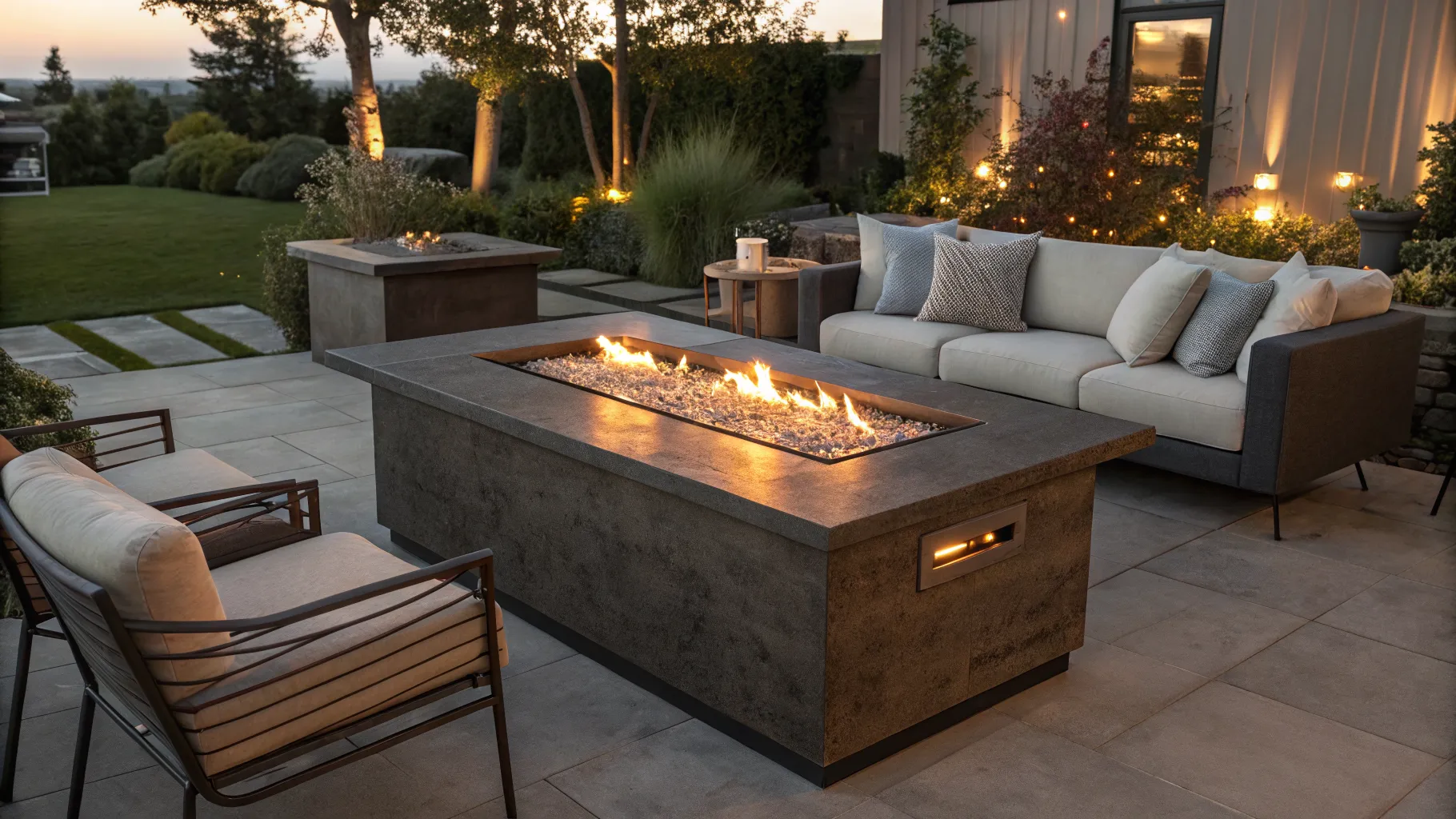
What are Outdoor Fire Pit Tables?
An outdoor fire pit table is essentially a patio table with an integrated fire feature, typically located in the center. Unlike traditional fire pits that are often standalone units, these tables provide a surrounding surface area that can be used for drinks, plates, or decor. They are designed to enhance the comfort and functionality of an outdoor living area, allowing people to gather around a warm glow without needing an additional side table.
These tables come in various shapes and sizes, from small circular designs suitable for intimate settings to large rectangular models that can accommodate bigger groups. The integrated design means that the fire element is built directly into the table, often with a cover that allows the entire surface to be used when the fire is not lit. This duality makes them a highly practical choice for many homeowners.
Common Types of Fire Pit Tables
The primary distinction among fire pit tables lies in their fuel source, which significantly impacts their operation and maintenance. Understanding these types is crucial for choosing the right one for your outdoor space.
- Propane (LP Gas) Fire Pit Tables: These are among the most common types due to their convenience. They connect to a standard propane tank, which is often cleverly concealed within the table base. Propane tables offer instant ignition, adjustable flame height, and produce no smoke or ash, making cleanup minimal.
- Natural Gas Fire Pit Tables: For those with a natural gas line readily available, these tables offer continuous fuel supply without the need to replace tanks. They provide a steady, clean-burning flame similar to propane models. Installation typically requires professional plumbing to connect to the home's gas line.
- Wood-Burning Fire Pit Tables: While less common in a 'table' format due to safety and ash concerns, some designs incorporate a wood-burning fire bowl. These provide the traditional crackle and aroma of a wood fire but require more effort for ignition, tending, and cleanup. They are generally larger and necessitate careful placement away from structures.
Materials and Durability Considerations
Outdoor fire pit tables are constructed from a variety of materials, each offering different aesthetics, levels of durability, and maintenance requirements. The choice of material often influences the overall look and longevity of the unit.
Common materials include powder-coated aluminum, stainless steel, cast iron, concrete, stone (such as slate or granite), and various synthetic wickers over metal frames. Aluminum is lightweight, rust-resistant, and requires minimal maintenance. Stainless steel offers excellent durability and corrosion resistance. Concrete and stone options are very heavy and robust, providing a natural, enduring appearance but can be costly and may require sealing. Synthetic wicker is popular for its resistance to weather and UV rays, often encasing a sturdy metal frame.
Key Features to Consider
When evaluating outdoor fire pit tables, several features contribute to their functionality, safety, and user experience. Paying attention to these details can help you select a model that best fits your needs.
- BTU Output: For gas fire pit tables, British Thermal Units (BTUs) indicate the heat output. Higher BTUs generally mean more warmth. Consider the size of your outdoor space and your desired heat level.
- Ignition System: Most gas tables feature an electronic push-button igniter for quick and easy startup. Some may have manual ignition requiring a lighter.
- Table Surface Material: Beyond the fire bowl, the surrounding table material is important for durability and aesthetic. Look for heat-resistant and easy-to-clean surfaces.
- Safety Features: A flame failure device, which automatically shuts off the gas if the flame extinguishes, is a crucial safety feature. Some tables also include a protective glass wind guard or heat shield.
- Covers and Lids: Many fire pit tables come with a lid that converts the fire area into a full table surface when the fire is not in use. Weather covers are also important for protection against the elements.
Placement and Safety Guidelines
Proper placement and adherence to safety guidelines are paramount when operating an outdoor fire pit table. These units produce significant heat and open flames, necessitating careful consideration to prevent accidents.
Always place your fire pit table on a non-combustible surface, such as concrete, brick, or stone, and ensure it is a safe distance from any combustible materials, including wooden decks, fences, overhead structures, and low-hanging branches. Most manufacturers recommend a minimum clearance of 10 feet from structures and anything flammable. Adequate ventilation is also important, especially for gas models, to prevent gas buildup.
Never leave a lit fire pit table unattended. Keep children and pets at a safe distance. Have a fire extinguisher or a bucket of sand/water nearby as a precaution. For propane models, ensure the tank is properly secured and away from direct heat. Always follow the manufacturer's specific instructions for assembly, operation, and maintenance to ensure safe usage.
Maintenance and Care for Longevity
Regular maintenance is essential to keep your outdoor fire pit table functioning safely and looking its best for years to come. Simple care routines can significantly extend its lifespan and maintain its aesthetic appeal.
For gas fire pit tables, regularly check gas lines and connections for leaks or damage. Keep the burner area clear of debris, insects, or spider webs, as these can obstruct gas flow. Clean the fire media (lava rocks or fire glass) periodically to remove soot and dirt. For all types, ensure the table surface is cleaned according to its material's specific needs, using appropriate cleaners to avoid damage. During periods of non-use, especially in harsh weather, cover your fire pit table with a weather-resistant cover. In colder climates, consider storing propane tanks indoors or in a sheltered area, and for natural gas models, ensure all connections are secure. Annual professional inspection may be beneficial for natural gas lines.
Understanding Value and Selection
When exploring the market for an outdoor fire pit table, understanding what drives value can help you make a well-informed decision. The price of these tables can vary significantly based on materials, size, brand reputation, and additional features.
High-quality construction using durable, weather-resistant materials like marine-grade aluminum or solid concrete will typically command a higher price but offer greater longevity. Larger tables with higher BTU output, intricate designs, or advanced electronic ignition systems also contribute to increased cost. Rather than focusing solely on the lowest price, consider the overall value: how well the table fits your space, its durability against local weather conditions, the safety features included, and the ease of maintenance. Assessing these factors will help you find a fire pit table that not only meets your budget but also provides lasting enjoyment and functionality for your outdoor living area.