Exploring Christmas Market River Cruises in Europe
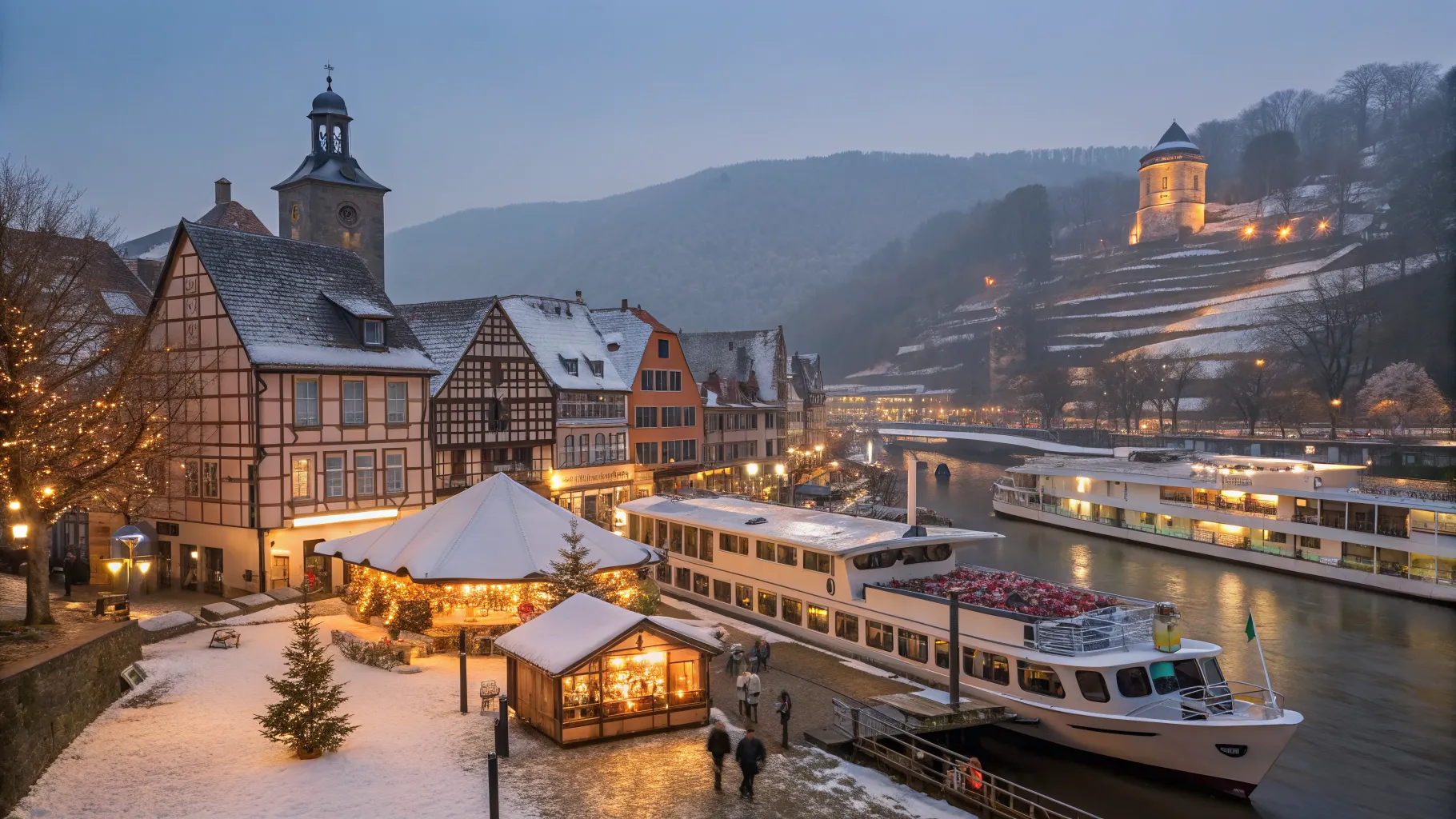
European rivers take on a magical quality during the winter months. A river cruise offers a unique vantage point for experiencing the historic towns and cities that host traditional holiday markets. Passengers can unpack once and wake up in a new destination every day, ready to explore centuries-old traditions.
The Appeal of Festive River Cruise Routes
Travelers are increasingly drawn to festive river cruise routes because they provide a seamless way to navigate through multiple countries and cultures in a single trip. Instead of coordinating complex train schedules or driving in winter conditions, passengers can relax as their floating hotel transports them directly to the heart of seasonal celebrations.
These journeys highlight the cultural heritage of the regions they pass through. Local guides often provide historical context about the origins of seasonal traditions, making the experience both educational and visually stunning. The convenience of docking just steps away from the town center is a major draw for those who want to maximize their time exploring.
Popular Waterways for Holiday Market River Cruises
The Rhine and the Danube are the two most prominent rivers for holiday market river cruises. The Rhine generally flows through Switzerland, Germany, and the Netherlands, offering access to famous markets in Cologne, Strasbourg, and Basel. Germany is widely considered the birthplace of the modern Christmas market, making this route particularly rich in tradition.
Alternatively, the Danube River connects central and eastern Europe, bringing passengers to grand imperial cities like Vienna and Budapest. These cities host expansive markets set against the backdrop of palaces and massive cathedrals. Other rivers, such as the Seine in France or the Elbe in Germany, also feature seasonal sailings, though they tend to be shorter and less frequent.
What to Expect at European Christmas Markets
When stepping off the ship, visitors are greeted by wooden chalets adorned with twinkling lights and evergreen boughs. These stalls are operated by local artisans and vendors selling a wide variety of goods. Shoppers can find hand-blown glass ornaments, intricate wooden nutcrackers, and regional textiles that make excellent souvenirs.
Food and drink are central to the experience. Visitors will find regional specialties that vary wildly from town to town. Some common items include:
- Hot spiced wine, known locally as Gluhwein or vin chaud, served in collectible mugs.
- Roasted chestnuts and candied almonds that fill the air with a sweet aroma.
- Savory options like bratwurst in Germany, langos in Hungary, or raclette in Switzerland.
- Traditional baked goods such as gingerbread, stollen, and chimney cakes.
Life on Board During a Winter Cruise
The atmosphere on board European Christmas market cruises reflects the festive spirit found on land. Cruise lines typically decorate their vessels with garlands, trees, and subtle lighting to create a cozy environment. The ships are climate-controlled, ensuring passengers have a warm sanctuary to return to after hours of walking in the cold.
Entertainment and dining on the ship often incorporate regional holiday themes. Chefs may prepare traditional winter dishes from the countries being visited, while local musicians or choirs might come aboard to perform seasonal music. Lectures and demonstrations, such as gingerbread decorating or glass-blowing, are frequently organized to enrich the cultural experience.
How to Choose the Right Itinerary
Selecting the best itinerary requires considering both the duration of the trip and the specific destinations included. Most Christmas markets by river run between late November and the final days of December. Shorter four-day or five-day trips usually focus on a specific region, while longer two-week voyages might traverse multiple rivers via connecting canals.
Travelers should also look into the pacing of the cruise. Some itineraries feature full days in major cities, allowing for deep exploration of multiple markets within a single location. Others prioritize seeing as many towns as possible, docking in a new village every morning and afternoon. Understanding personal preferences for travel pace will help narrow down the options.
Practical Tips for Winter River Cruising
Packing correctly is crucial for enjoying a winter river cruise. Temperatures in Central Europe during December can drop below freezing, and the proximity to the water can make the air feel even colder. Layering is the most effective strategy for staying comfortable while transitioning between heated indoor spaces and the chilly outdoors.
Essential items to pack include:
- A high-quality waterproof and windproof winter coat.
- Thermal base layers to retain body heat during extended outdoor walks.
- Comfortable, insulated walking shoes or boots with good traction for cobblestone streets.
- Warm accessories like gloves, scarves, and hats to protect against biting winds.