Exploring Europe: A Comprehensive Guide to Bus Tours for Seniors
Planning a trip across the Atlantic can be an exciting endeavor, and taking a dedicated bus tour is often a highly practical approach for older adults looking to explore the continent. These structured journeys offer a blend of sightseeing, cultural immersion, and logistical convenience. Before booking a trip, understanding the nuances of Europe bus tours for seniors can help ensure a smooth, memorable, and highly rewarding travel experience.
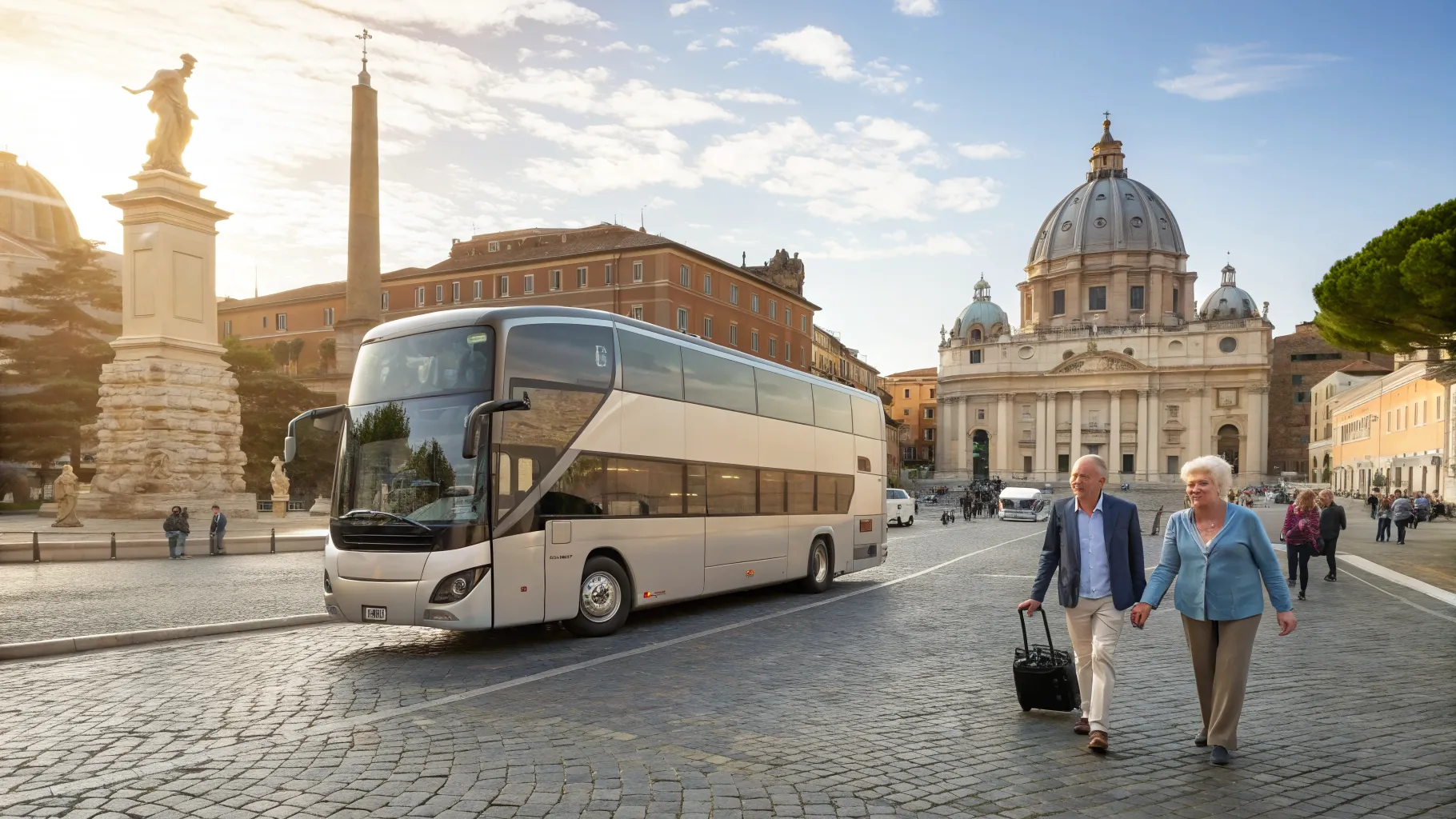
Understanding the Appeal of Bus Tours for Older Travelers
Traveling across Europe by bus has become a favored option for many senior explorers. This method of travel removes the stress of navigating foreign public transit systems, renting cars in unfamiliar territories, or constantly repacking luggage to catch flights between countries. A guided tour provides a structured environment where transportation, lodging, and many meals are arranged well in advance.
Furthermore, group travel fosters a strong sense of community. Travelers often share similar life experiences and interests, making it easy to form lasting friendships on the road. Having an expert guide on board also ensures that historical context and cultural nuances are explained in detail, enriching the overall travel experience without requiring extensive prior research.
What to Expect from Modern European Coach Travel
The image of cramped, uncomfortable buses is largely a thing of the past when it comes to dedicated European tour operators. Today, modern coaches are designed with passenger comfort as a primary focus. Vehicles typically feature panoramic windows, climate control, onboard restrooms, and sometimes even complimentary Wi-Fi to help passengers stay connected with family back home.
Seating arrangements on these tours are often rotated daily. This practice ensures that everyone gets a chance to enjoy the front row views and prevents the formation of cliques, encouraging a more cohesive group dynamic. Frequent stops are also a standard practice, allowing passengers to stretch their legs, use facilities, and grab refreshments every couple of hours.
Choosing the Right Pace and Itinerary
European bus tours come in a wide variety of pacing styles, ranging from rapid multi-country overviews to slow-paced regional deep dives. When evaluating travel ideas, it is crucial to look at the daily itinerary to understand how much time is spent on the bus versus exploring the destinations. A tour that visits ten countries in fourteen days will naturally involve long stretches of driving.
- Leisurely paced tours usually stay two or three nights in one hotel, minimizing the exhaustion of constant relocation.
- Active itineraries might require early morning departures and extensive walking on cobblestone streets.
- Special interest tours focus on specific themes like art history, culinary traditions, or genealogical roots, allowing for a more focused and relaxing experience.
Essential Considerations for Accessibility and Comfort
Accessibility is a major factor to evaluate before booking any European bus tour. While modern coaches are comfortable, passengers must still be able to climb the steps to board and disembark the vehicle multiple times a day. Additionally, many historic European city centers are pedestrian-only zones characterized by uneven surfaces, steep hills, and a lack of elevators in older buildings.
Prospective travelers should inquire about the physical demands of the specific tour. Tour companies typically provide a physical activity rating for their trips, detailing the average amount of daily walking and whether wheelchair or walker accommodations are feasible. Understanding these limitations beforehand helps ensure a safe and enjoyable trip.
Packing Strategies for Multi-Country European Tours
Packing efficiently is a vital part of preparing for a bus tour. Since luggage space underneath the coach is limited and strict weight restrictions often apply, bringing a single, manageable suitcase is highly recommended. It is also wise to remember that you may need to handle your own luggage in certain situations, even if porterage is included at most hotels.
A well-thought-out day bag is equally important. This smaller bag stays with you on the bus and should contain daily essentials. Items to include are daily medications, a reusable water bottle, a light sweater or jacket for air-conditioned coaches, and important travel documents. Layered clothing is the most practical approach for dealing with unpredictable European weather.
Navigating Dietary Needs and Medical Concerns Abroad
Managing personal health and dietary requirements while traveling requires proactive planning. Most reputable tour companies are quite adept at handling common dietary restrictions, such as vegetarian, vegan, or gluten-free diets, provided they are notified well in advance. However, options may be somewhat limited in certain rural or traditional European towns compared to major metropolitan areas.
Medical preparedness is another critical step in the planning guide. Travelers should carry an ample supply of all necessary prescription medications, kept in their original labeled bottles. It is also highly advisable to arrange comprehensive travel insurance that includes medical evacuation coverage, as domestic health insurance plans rarely cover international medical expenses.