Essential Stroke Signs Symptoms and Prevention Awareness
Signs Linked to Stroke Awareness and Prevention
In the realm of health awareness, understanding stroke-related signs is crucial. A stroke occurs when the blood supply to part of the brain is interrupted, leading to potential brain damage. Recognizing the symptoms early can be lifesaving. As of 2025, nearly 795,000 people in the U.S. experience a stroke annually, with strokes being a leading cause of serious long-term disability. With such staggering statistics, knowing the warning signs of a stroke is vital.
Common Stroke Symptoms: The Fast Method
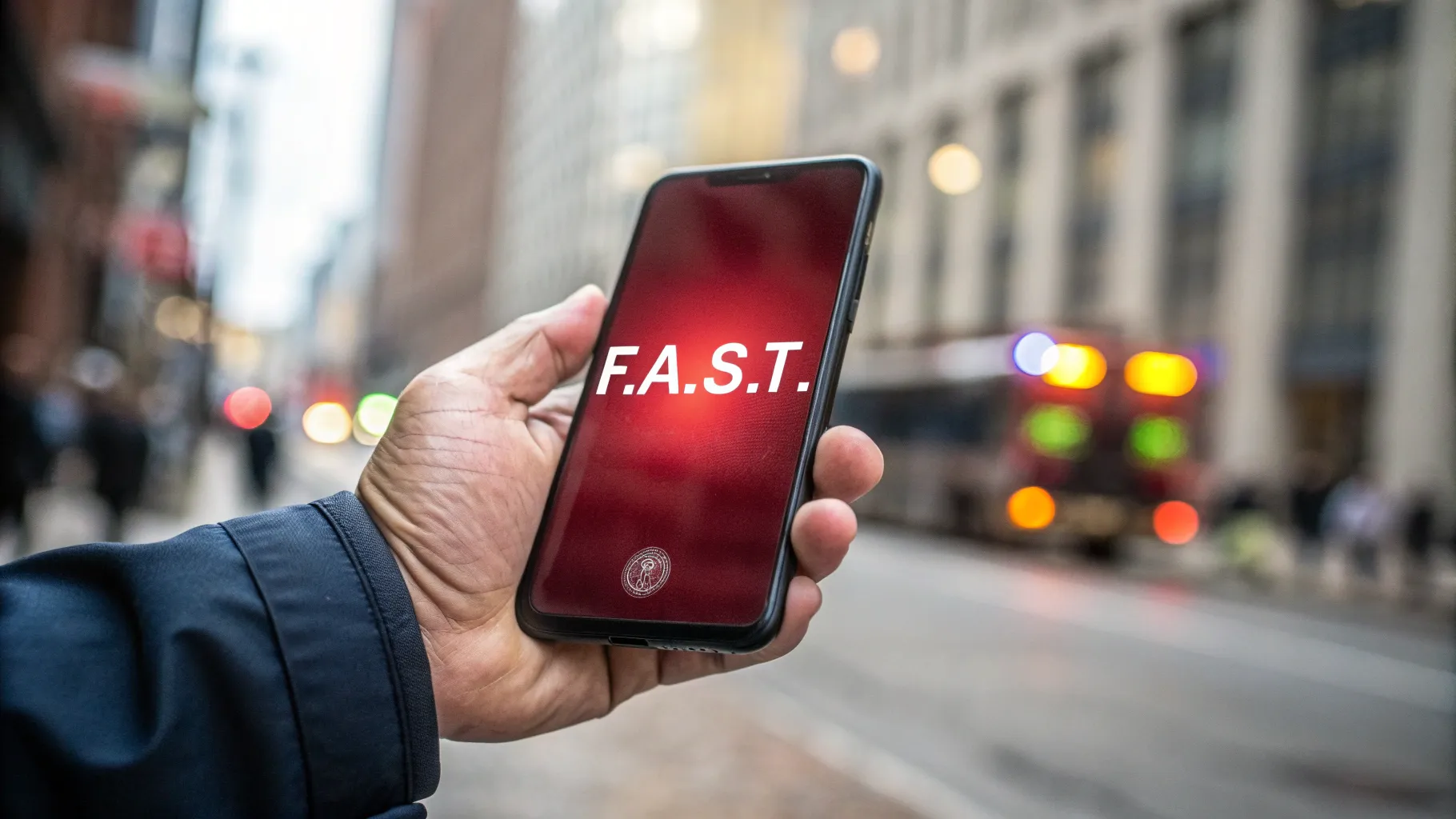
When it comes to stroke, time is of the essence. A useful way to remember the primary symptoms is through the acronym F.A.S.T. Each letter represents a critical sign:
- F - Face Drooping: One side of the face may droop or feel numb. Ask the person to smile; their smile may be uneven.
- A - Arm Weakness: The person may be unable to lift one arm or might experience weakness in one arm. Encourage them to raise both arms and observe if one drifts down.
- S - Speech Difficulty: Look for slurred speech or difficulty in speaking. Ask the person to repeat a simple sentence and listen for any abnormalities.
- T - Time to Call Emergency Services: If any of these signs are present, it's crucial to call emergency services immediately. Every minute counts.
Beyond the F.A.S.T. signs, there are additional symptoms that should not be overlooked:
- Sudden confusion or trouble understanding speech
- Sudden dizziness, loss of balance or coordination
- Sudden severe headache with no known cause
It's important not to dismiss any sudden changes in behavior or physical ability, as they may indicate an impending stroke.
Real-World Examples and Insights
Recent data indicates that strokes don't discriminate and can affect individuals of all ages. For instance, in January 2025, Jennifer, a 45-year-old woman, began experiencing sudden numbness in her right arm while out grocery shopping. Initially, she shrugged it off as fatigue. But after encountering difficulty with her speech, her friends quickly recognized the signs of a stroke. They acted swiftly and called for help, allowing medical professionals to intervene in time, sparing her from severe disabilities.
This example underscores the reality that strokes can strike at any moment. Health awareness campaigns emphasize that knowing and recognizing the signs, like those demonstrated by Jennifer’s friends, can save lives. Most strokes are ischemic, meaning they are caused by blood clots, but hemorrhagic strokes occur when blood vessels burst and pose an equally serious risk.
Statistics on Stroke Incidence and Recovery
Statistics from early 2025 highlight that around 87% of strokes are ischemic. Furthermore, the Centers for Disease Control and Prevention report that stroke incidences have been declining slightly, yet, the stark truth remains: about 1 in 6 deaths due to cardiovascular disease is a stroke. In the past six months, studies have shown improvements in recovery rates, with 10% of stroke survivors returning to their previous lifestyle thanks to better medical interventions and rehabilitation methods.
Emergency response plays a significant role. Those who arrive at the hospital within three hours of showing symptoms can often receive treatments that reduce the risk of long-term impairment. This perspective emphasizes that public education about recognizing stroke symptoms could greatly enhance early detection and treatment.
Health Awareness: Tips for Prevention
While it’s essential to recognize signs linked to a stroke, prevention should remain at the forefront of health strategies. Healthy lifestyle choices can significantly reduce stroke risk. Here are some tips:
- Manage Blood Pressure: High blood pressure is the leading cause of strokes. Regular check-ups can help keep it in check.
- Healthy Diet: A balanced diet rich in fruits, vegetables, and omega-3 fatty acids helps maintain overall health and reduce stroke risk.
- Regular Exercise: Engaging in physical activity can lower cholesterol and reduce the chance of heart disease.
- Avoid Smoking: Smoking doubles the likelihood of having a stroke. Quitting can significantly benefit long-term health.
As public health campaigns continue to highlight these preventive measures, engaging the community through seminars and workshops becomes paramount. Educating not just the at-risk population but also their families can enhance collective readiness in recognizing the signs.
Community Programs and Stroke Awareness Initiatives
Across the country, numerous initiatives aim to increase awareness about stroke symptoms. Community health fairs and local health departments often host workshops on F.A.S.T. and other signs of strokes, providing real-life scenarios for better understanding. Organizations like the American Heart Association consistently produce materials and resources dedicated to this severe health crisis. Local hospitals also participate by providing free screening, educational brochures, and access to healthcare professionals for consultations.
Moreover, social media platforms are increasingly used to disseminate information quickly. Campaigns on platforms like Facebook and Instagram drive discussions about stroke awareness, targeting a demographic that often remains unaware of the implications of stroke.
By fostering an environment where open discussions about health are encouraged, we not only aid those who may find themselves on the verge of a stroke but also cultivate a community prepared to act and support one another in times of crisis.