Decoding the Suzuki Fronx: A Look at the Compact SUV and Its Future
The compact SUV market is one of the most competitive automotive segments, with manufacturers constantly innovating to capture consumer attention. Suzuki has carved out a significant space in this arena with models that blend practicality, efficiency, and modern design. The Suzuki Fronx is a prime example of this strategy, offering a crossover experience based on a popular hatchback platform. As we look toward the future, it's interesting to consider how this model might evolve.
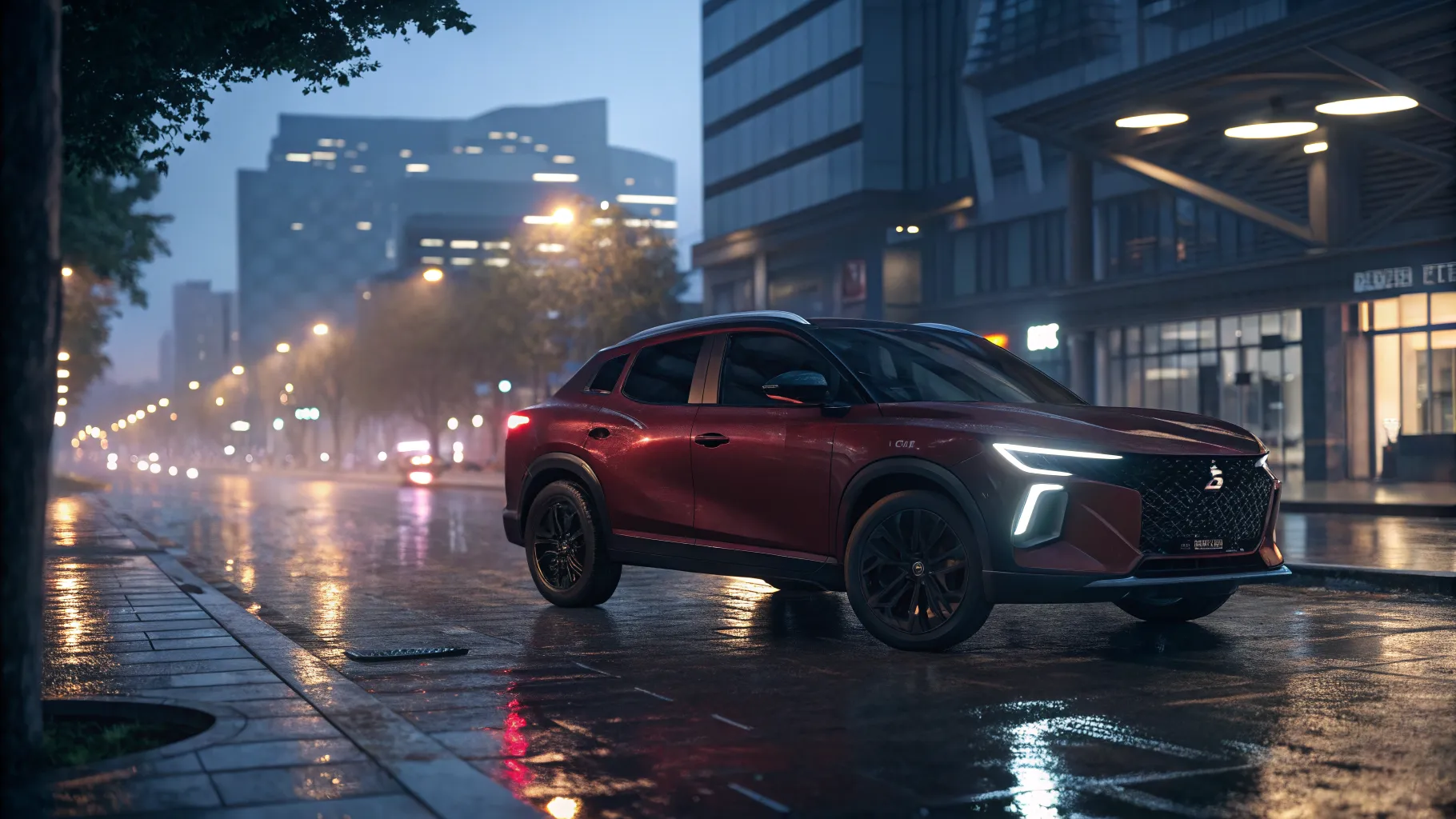
Understanding the Suzuki Fronx's Market Position
The Suzuki Fronx entered the market as a subcompact crossover SUV, often described as a 'coupe-SUV' due to its sloping roofline and sporty silhouette. It is fundamentally based on the same platform as the Suzuki Baleno hatchback, which allows it to leverage a proven architecture while offering a different style and higher ground clearance. This approach helps create a vehicle that feels familiar and reliable yet appeals to buyers seeking the popular SUV form factor.
Its target audience is typically urban and suburban drivers who want the practicality of a hatchback combined with the robust appearance and higher seating position of an SUV. By sharing parts and engineering with the Baleno, Suzuki can offer the Fronx at a competitive price point, making it an accessible option for a wide range of buyers looking for a stylish and efficient daily driver.
A Closer Look at Current Powertrain Options
Performance and efficiency are key selling points in the compact segment, and the Fronx addresses this with a selection of modern engines. Depending on the market, it is commonly available with two main petrol engine choices. The first is a turbocharged engine, often a 1.0-liter Boosterjet, which provides a peppy and engaging driving experience suitable for both city traffic and highway cruising. This engine is often paired with mild-hybrid technology to improve fuel economy and reduce emissions.
The second option is typically a larger, naturally aspirated engine, such as a 1.2-liter Dualjet. This powertrain focuses more on smooth, reliable performance and excellent fuel efficiency, making it a popular choice for budget-conscious drivers. Transmission options generally include a manual gearbox for enthusiasts and an automatic or automated manual transmission (AMT) for convenience in heavy traffic, catering to different driving preferences.
Exterior Design and Styling Cues
One of the most defining characteristics of the Suzuki Fronx is its exterior design. It distinguishes itself from the more traditional hatchback look of the Baleno with a bold and aggressive front fascia. This includes a large grille, split headlamp design, and a muscular bumper. The side profile is characterized by its prominent wheel arches, body cladding, and the distinctive coupe-like sloping roofline that terminates in a sporty rear spoiler.
These design elements collectively create an athletic and modern appearance. For a future model, such as a 2026 version, we might see an evolution of this design language. This could involve sharper LED lighting signatures, redesigned bumpers, and new alloy wheel designs to keep the vehicle looking fresh and competitive against newer rivals in its class.
Inside the Cabin: Technology and Comfort
The interior of the Fronx is designed to be both functional and stylish, carrying over many of the well-regarded elements from the Baleno. The dashboard is typically dominated by a floating touchscreen infotainment system that serves as the central hub for navigation, media, and smartphone connectivity. The cabin materials are chosen for durability, though higher trims often feature soft-touch surfaces and decorative accents to enhance the premium feel.
Key technology and convenience features found in current models often include:
- A touchscreen infotainment system with Apple CarPlay and Android Auto.
- Automatic climate control.
- A heads-up display on higher-end variants.
- Keyless entry and push-button start.
- Steering-mounted controls for audio and phone calls.
Safety Systems and Driver Aids
Modern car buyers place a high emphasis on safety, and the Fronx is equipped with a solid suite of standard safety features. The vehicle is built on Suzuki's HEARTECT platform, which is designed to be lightweight yet strong, providing good crash protection. Standard equipment typically includes multiple airbags, an Anti-lock Braking System (ABS) with Electronic Brakeforce Distribution (EBD), and Electronic Stability Program (ESP).
Looking ahead, a potential 2026 model would likely see an expansion of advanced driver-assistance systems (ADAS). While some current versions offer features like a 360-degree camera, future iterations could incorporate more sophisticated technologies. These might include adaptive cruise control, lane-keeping assist, and autonomous emergency braking, bringing the Fronx in line with evolving global safety standards and consumer expectations.
What Could a 2026 Suzuki Fronx Offer?
Speculating on a 2026 model involves looking at industry trends and Suzuki's own technological trajectory. One of the most significant potential updates could be in the powertrain department, with a greater emphasis on hybridization. We might see the introduction of a stronger hybrid system, offering improved fuel economy and the ability to drive short distances on electric power alone. This would help the Fronx compete with an increasing number of hybrid and electric vehicles.
Inside, the technology suite would almost certainly receive an upgrade. This could mean a larger, higher-resolution infotainment screen, a fully digital instrument cluster, and enhanced connected car features. A mid-cycle refresh could also bring subtle but effective exterior design updates, new color options, and improved interior materials to maintain its appeal in a rapidly evolving market.