Common Hair Mistakes That Add Years to Your Look
Your hairstyle is one of the most prominent features of your overall appearance, and subtle choices can dramatically shift how old or young you look. Over time, hair texture, density, and color naturally change. Continuing with the exact same routine or style you used years ago might not complement these natural transitions. By identifying common hair mistakes that age you, it becomes easier to adopt techniques that highlight your best features and bring a renewed sense of vitality to your look.
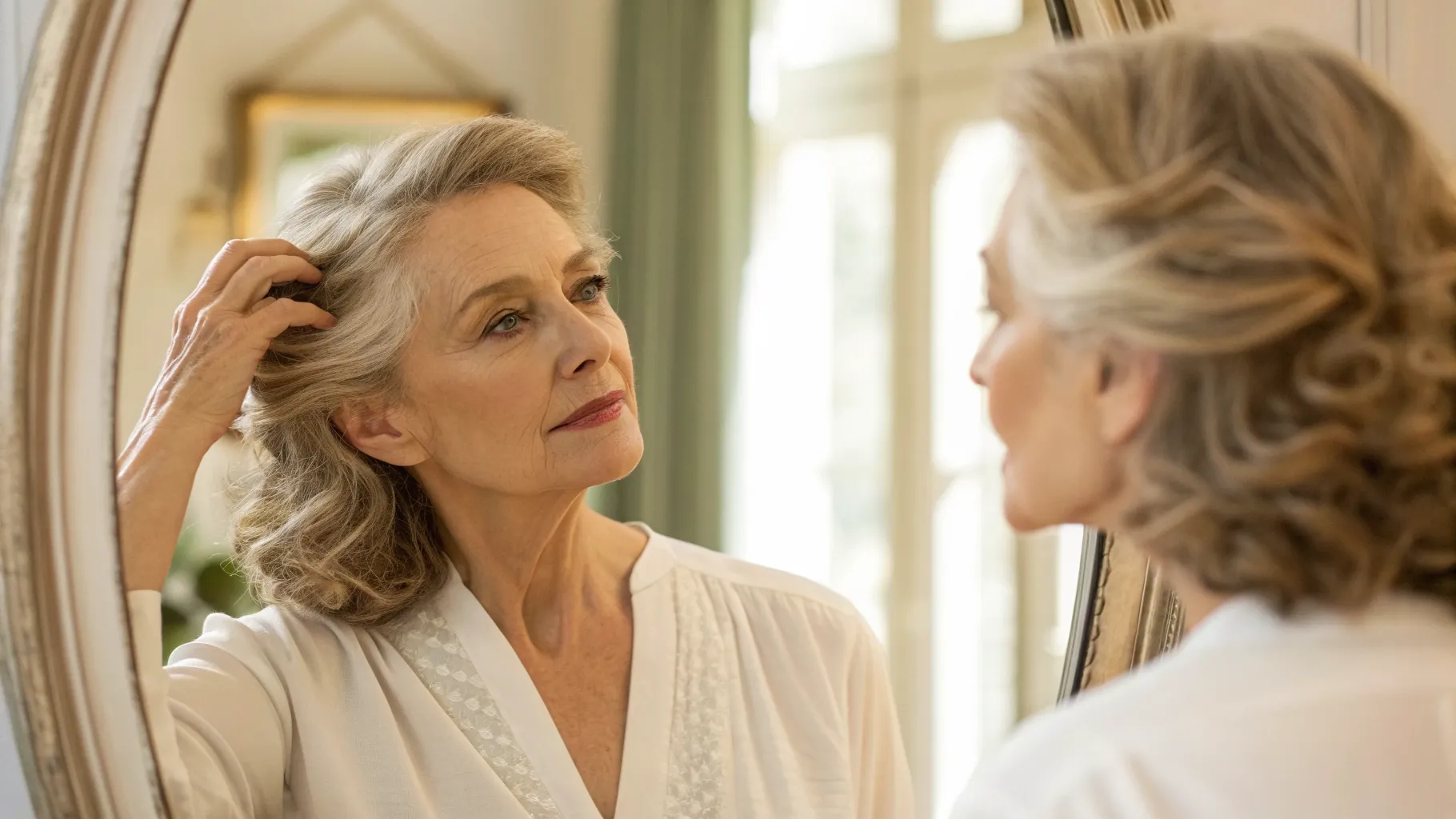
Choosing Hair Colors That Are Too Dark
One of the most frequent aging hair mistakes is dyeing hair in shades that are too dark or too harsh. As skin ages, it naturally loses some of its pigment and can become paler or more translucent. When hair is dyed a stark black or very dark brown, it creates a severe contrast that highlights fine lines, wrinkles, and dark circles under the eyes.
Instead of a single block of dark color, hair professionals often suggest softening the base shade or introducing subtle highlights. Warm tones like caramel, honey, or soft auburn can reflect light onto the face, creating a more glowing and youthful complexion. Transitioning to a slightly lighter, multi-dimensional shade can make a significant difference in framing the face gently.
Sticking to an Outdated Signature Style
It is very common to find a haircut that looks fantastic in your twenties or thirties and stick with it indefinitely. However, fashion trends evolve, and so do individual facial features. Wearing a hairstyle that was popular decades ago is a guaranteed way to date your appearance and create a visibly older look.
Updating your haircut does not necessarily mean making a drastic change. Simple adjustments like adding soft, face-framing layers, changing the part, or modernizing a classic bob can completely refresh your appearance. Consulting with a stylist about contemporary cuts that suit your current face shape and hair texture is a great way to stay current.
Overusing Heat Tools and Damaging Hair
Healthy hair naturally possesses shine, bounce, and elasticity. Unfortunately, years of aggressive blow-drying, flat ironing, and curling can strip the hair of its natural moisture. Dry, frizzy, and brittle hair lacks the vitality associated with youth, making the overall appearance seem older and more fatigued.
Because hair tends to become naturally drier and more fragile as we age, minimizing heat damage is essential. Incorporating heat protectant sprays, lowering the temperature settings on styling tools, and embracing natural textures can help preserve the integrity of the hair shaft. Regular trims to remove split ends also ensure the hair looks thick and healthy.
Ignoring the Importance of Volume and Movement
Hair that hangs flat against the head tends to drag the facial features downward. As gravity takes its toll over the years, a flat hairstyle only exaggerates the appearance of sagging skin. Conversely, styles that lack movement and are frozen in place with excessive hairspray can look rigid and unnatural.
Creating soft volume at the crown and incorporating layers for movement can instantly lift the face. Techniques such as using a round brush during a blowout or applying lightweight volumizing mousses can add the necessary body without stiffness. Hair that moves naturally and has a bit of bounce always appears more youthful and energetic.
Selecting Unflattering Hair Lengths
There is a persistent myth that women must chop their hair off once they reach a certain age. While very long hair without shape can drag the face down, an extremely short, overly layered pixie cut can sometimes look harsh if it does not suit the wearer's bone structure. The extremes of hair length are often where common hair mistakes occur.
- Mid-length cuts: Collarbone-length lobs are universally flattering and provide enough length to style while maintaining a healthy bounce.
- Face-framing layers: Keeping layers around the cheekbones and jawline helps to soften angles and draw attention to the eyes.
- Blunt versus textured ends: Severe blunt cuts can look heavy, whereas textured ends provide a softer, more modern silhouette.
Neglecting Scalp Health and Hydration
Healthy hair growth originates from a healthy scalp, yet scalp care is often overlooked in daily hair care routines. Over time, the scalp can become dry, leading to flakiness, irritation, and weakened hair follicles. When the foundation is neglected, hair can thin out or lose its natural luster, which heavily contributes to an aged appearance.
Integrating hydrating masks, gentle scalp exfoliants, and nourishing oils into a hair care regimen can rejuvenate the scalp and strands alike. Keeping the hair heavily moisturized is especially important for aging hair, which often lacks the natural oils produced in younger years. Proper hydration ensures the hair remains soft, manageable, and vibrant.