Discovering Your Next Certified Electric Vehicles: Top Picks EVs under $28,000
Fast Facts:
- EV sales are rapidly accelerating globally.
- Demand for affordable electric cars is surging for budget-conscious buyers.
Unlocking Value: Finding Quality Certified Electric Vehicles for Under $28,000
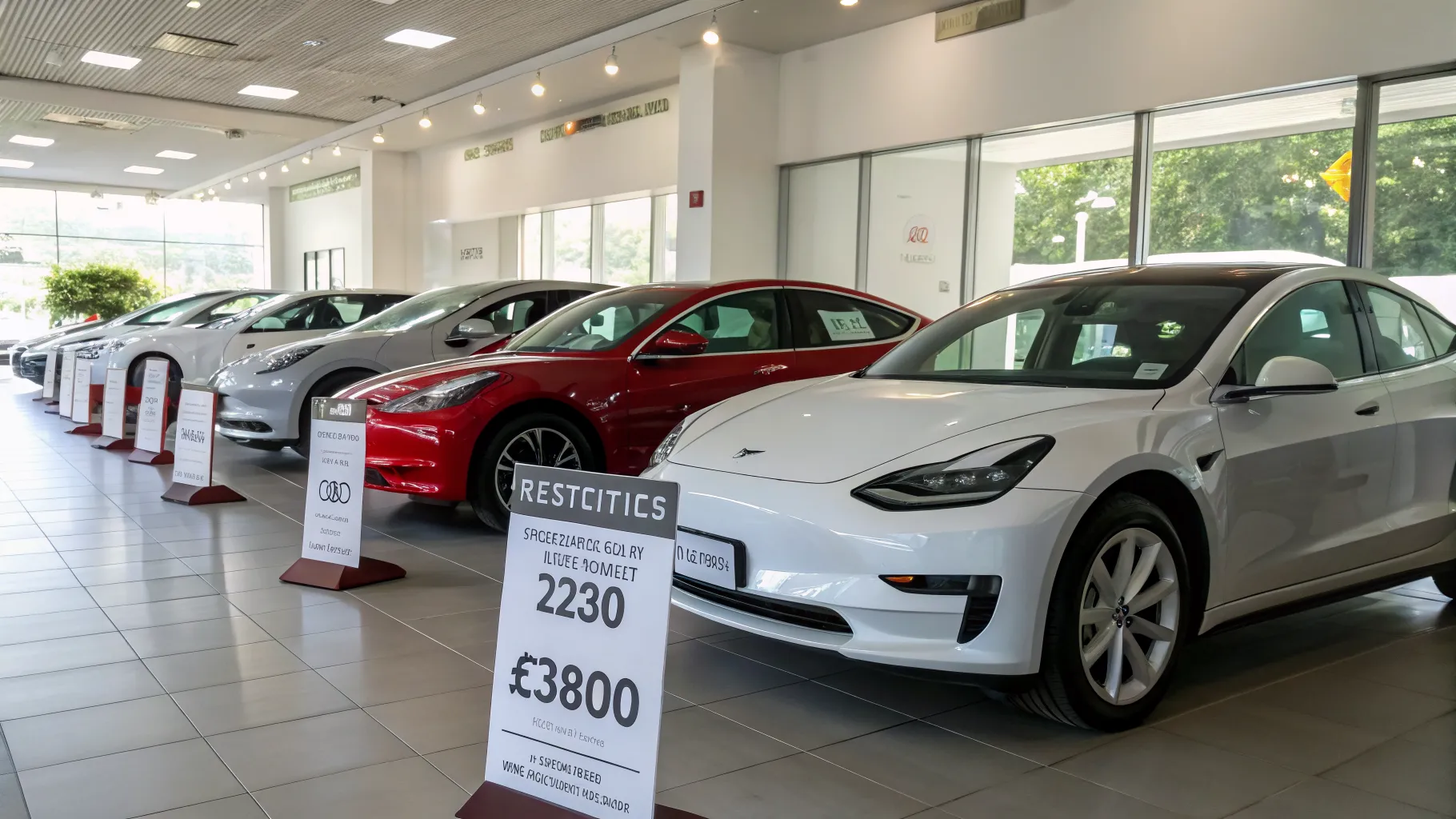
The electric vehicle market is booming, and with growing demand comes a wider array of choices, especially for those seeking value without compromising quality. For many prospective buyers, the idea of owning an EV has been cost-prohibitive, but this is rapidly changing. This comprehensive guide will explore how to identify and acquire top-tier certified electric vehicles available for EVs under $28,000, ensuring you make an informed decision for sustainable and economical driving.
What Defines a Certified Electric Vehicle?
Before diving into specific models, it’s crucial to understand what "certified electric vehicles" truly means. A certified pre-owned (CPO) program typically involves a rigorous multi-point inspection performed by factory-trained technicians, often covering mechanical components, electrical systems, battery health, and interior/exterior condition. These vehicles also come with extended warranties and roadside assistance, offering peace of mind that isn't always available with standard used electric vehicles. This certification process significantly de-risks the purchase, ensuring that even at an accessible price point, you are investing in a reliable and well-maintained EV.
Chevrolet Bolt EV
The Chevrolet Bolt EV consistently ranks high for those seeking EVs under $28,000. Known for its generous range (often exceeding 200 miles on a full charge for earlier models) and practical hatchback design, the Bolt offers a compelling package for urban and suburban drivers alike. Pre-owned certified models often fall well within the $28,000 budget, especially 2017-2020 model years. Buyers benefit from a spacious interior, brisk acceleration, and a user-friendly infotainment system. When considering a CPO Bolt, prioritize models with documented battery health and service records to ensure long-term satisfaction and minimal EV ownership costs.
Nissan Leaf
As one of the pioneers in the mass-market EV segment, the Nissan Leaf offers incredible value in the used electric vehicles market. Early models (pre-2017) with smaller batteries are easily found far below the $28,000 threshold, while newer second-generation models (2018 onwards) with ranges closer to 150 miles can also be found as certified electric vehicles within this budget. The Leaf is celebrated for its comfortable ride, quiet operation, and relatively low maintenance. When evaluating a certified Leaf, pay close attention to the battery degradation meter (displayed on the dashboard) as battery capacity can diminish over time, impacting range but often not overall reliability, especially for shorter commutes.
Hyundai Ioniq Electric
The Hyundai Ioniq Electric, while not as ubiquitous as the Bolt or Leaf, represents an excellent choice for an affordable electric car. It boasts impressive efficiency, often outperforming many rivals in terms of miles per kilowatt-hour. Certified pre-owned Ioniq Electric models from 2017-2020 are typically available well within the $28,000 range. Its hatchback design provides practicality, and its interior feels more premium than some competitors. Hyundai's robust warranty program often extends to CPO vehicles, providing additional confidence in your purchase of these certified electric vehicles. This model is particularly appealing for those who prioritize efficiency and a refined driving experience, keeping EV ownership costs low.
BMW i3
For those seeking a more distinctive and premium driving experience among EVs under $28,000, the BMW i3 is an intriguing option. Its unique carbon fiber construction and striking design set it apart. While new, it was a luxury item, but certified pre-owned i3 models (especially 2017-2019) are now readily available within the budget. The i3 offers nimble handling, a surprisingly spacious interior for its footprint, and innovative sustainable materials. While its range might be less than some competitors, it's perfect for urban environments and shorter commutes. Look for models with the optional Range Extender (REX) if you need occasional longer trips, further broadening its appeal as a versatile used electric vehicle.
Fiat 500e
If you're primarily an urban driver looking for a compact, stylish, and truly affordable electric car, the Fiat 500e is an excellent contender. While its range is modest (typically around 80-100 miles), its compact size makes it perfect for navigating congested city streets and tight parking spots. Certified pre-owned 500e models are frequently found well below the $28,000 mark, making it one of the most accessible certified electric vehicles. It offers peppy acceleration and a surprisingly fun driving experience. For those who don't need extensive range and appreciate Italian design, the 500e delivers an enjoyable and economical urban EV solution, minimizing initial outlay and ongoing EV ownership costs.
Key Considerations for EVs Under $28,000
When exploring the market for EVs under $28,000, several factors warrant close attention to ensure a smart purchase. Firstly, battery health is paramount. While CPO programs guarantee a certain level of battery integrity, understanding the vehicle's specific battery degradation over its lifespan is critical, especially for older models. Secondly, consider charging infrastructure. Assess whether your home charging setup (Level 1 or Level 2) is adequate for your daily needs and if public charging stations are readily available in your routine. Lastly, research available local, state, and federal incentives. While many new EV incentives have expired or are changing, specific programs for used electric vehicles or older models might still apply, potentially lowering your effective purchase price or EV ownership costs.
Maximizing Your Investment: EV Ownership Costs and Incentives
Beyond the initial purchase price, owning an affordable electric car often comes with significant long-term savings. Electricity is generally cheaper than gasoline, leading to lower "fuel" costs. Furthermore, electric vehicles typically have fewer moving parts than internal combustion engine cars, translating to reduced maintenance expenses—no oil changes, spark plug replacements, or complex exhaust systems. Many regions offer incentives such as HOV lane access, reduced registration fees, or even property tax credits for installing home charging. When buying certified electric vehicles, inquire about any remaining manufacturer battery warranties, as these can protect against costly repairs. Understanding the full spectrum of EV ownership costs and available incentives is crucial for maximizing the value of your under-$28,000 investment.
Frequently Asked Questions
Are there federal tax credits for used electric vehicles?
Yes, as of current legislation, there are federal tax credits available for certain used electric vehicles purchased from a dealer for $25,000 or less. The credit is 30% of the sale price, up to a maximum of $4,000. The vehicle must be at least two model years older than the calendar year it is purchased in, among other requirements. Always verify the latest eligibility criteria with a tax professional or the IRS website when considering certified electric vehicles.
What is the typical battery lifespan for affordable electric cars?
The typical battery lifespan for modern affordable electric cars often exceeds 8-10 years or 100,000-150,000 miles, with many manufacturers offering warranties for at least 8 years/100,000 miles. While some degradation is normal over time, significant capacity loss is less common than often perceived. Certified electric vehicles often come with residual battery warranties, providing an extra layer of protection and helping to mitigate concerns about long-term EV ownership costs.
Is public charging expensive for EVs under $28,000?
The cost of public charging for EVs under $28,000 can vary significantly based on the charging network, location, and speed of charging (Level 2 vs. DC Fast Charging). While home charging is almost always the most economical option, public Level 2 chargers are often comparable to gasoline prices, and some are even free. DC Fast Charging is typically more expensive but offers rapid top-ups. Many affordable electric cars owners find that public charging supplements home charging rather than replacing it, helping to keep overall EV ownership costs manageable.
References
- US Department of Energy: Alternative Fuels Data Center.
- Environmental Protection Agency (EPA) official vehicle ratings.
- Consumer Reports comprehensive vehicle reviews.
- Various automotive industry sales reports and market analyses.
- Manufacturer official certified pre-owned program guidelines.