Carpentry Skills Classes for Seniors: A Complete Guide
Facts:
- Woodworking is a top-rated hobby for improving dexterity.
- A rising trend in lifelong learning is practical skills for seniors.
Rediscovering Craftsmanship: The Lifelong Benefits of Senior Carpentry Courses
Embracing a new hobby later in life can be a profoundly rewarding experience, and few are as tangible and satisfying as woodworking. For those interested, carpentry skills classes for seniors offer a structured, safe, and social environment to learn the timeless art of shaping wood. These programs are specifically designed to accommodate the learning pace and physical considerations of older adults, making them an accessible entry point into a fulfilling craft. Whether you're looking to build custom furniture, create unique gifts, or simply keep your hands and mind active, senior carpentry courses provide the foundational knowledge and confidence needed to bring your wooden creations to life. It's more than just a class; it's an opportunity to join a community of like-minded individuals and discover a passion that can last a lifetime.
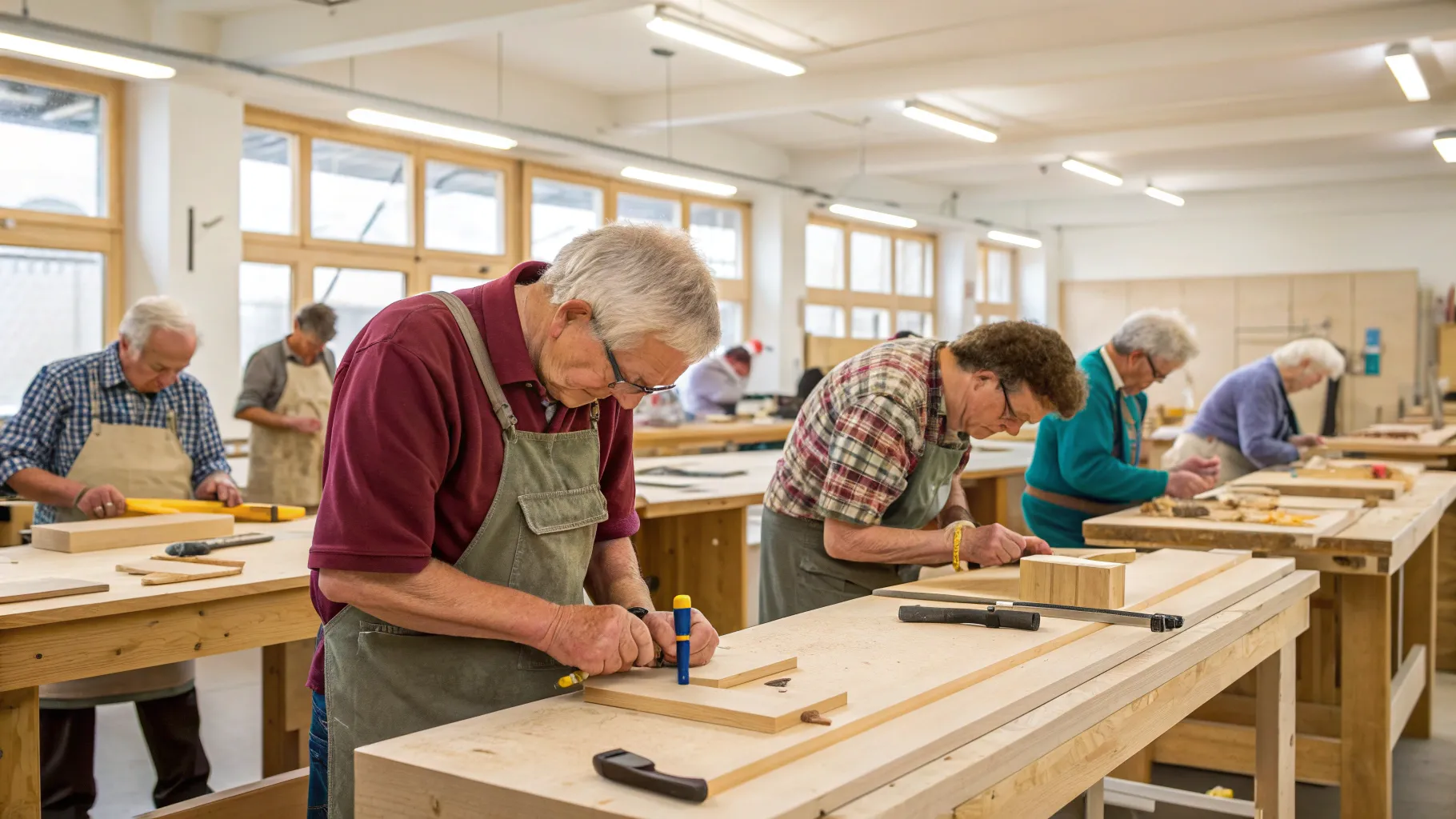
What to Expect in Beginner Carpentry Classes for Seniors
Enrolling in beginner carpentry classes for seniors can feel exciting, but it's natural to have questions about what the experience entails. These courses are structured to welcome absolute novices. The curriculum typically begins with the absolute basics: safety. Instructors spend significant time demonstrating the correct and safe operation of both hand tools and basic power tools, often with adaptations for ease of use. You'll learn about different types of wood, their grains, and their best applications. The initial projects are simple and designed for success, such as building a small box, a picture frame, or a birdhouse. This approach helps build confidence quickly. A key component of understanding carpentry skills classes for seniors is the focus on process over speed, ensuring everyone can work comfortably at their own pace in a supportive and non-competitive setting.
The Health and Social Benefits of Woodworking for Older Adults
The advantages of engaging in woodworking and carpentry classes seniors extend far beyond the workshop. Cognitively, the craft is incredibly stimulating. It requires problem-solving, precise measurements, and spatial reasoning, all of which help keep the mind sharp. Physically, working with tools improves hand-eye coordination, maintains fine motor skills, and can even enhance strength and dexterity in the hands and arms. Socially, these classes are a fantastic way to combat isolation. They provide a regular opportunity to connect with peers who share a common interest, fostering friendships and a sense of community. The act of creating something tangible and beautiful with your own hands provides an immense sense of accomplishment and purpose, which is a powerful boost to mental well-being and self-esteem.
Choosing the Right Carpentry Training for Older Adults
Finding the perfect program is key to a positive experience. When searching for carpentry training for older adults, there are several factors to consider to ensure it meets your specific needs. The goal is to find a class that is not only educational but also enjoyable and safe. A little research upfront can make all the difference in your journey to becoming a skilled woodworker.
- Instructor Experience: Look for instructors who not only have extensive carpentry knowledge but also experience teaching older adults. They should be patient, clear in their communication, and adept at adapting techniques for different physical abilities.
- Class Size and Pace: Smaller class sizes allow for more one-on-one attention, which is crucial when learning to use tools safely. Inquire about the pace of the curriculum to ensure it's designed for learning and enjoyment, not for speed.
- Facility and Accessibility: The workshop should be well-lit, well-ventilated, and physically accessible. Check for features like non-slip floors, adjustable-height workbenches, and tools that are well-maintained and suitable for beginners.
- Curriculum and Cost: Review the course outline to see if the projects and skills taught align with your interests. Be clear on the total cost, including any fees for materials or tool usage, to ensure it fits within your budget. Many community centers offer affordable senior carpentry courses.
Understanding the Tools and Techniques in Senior Carpentry Courses
A core part of understanding carpentry skills classes for seniors involves getting comfortable with the tools of the trade. Instructors will introduce a range of essential hand tools, such as handsaws, chisels, planes, and mallets, emphasizing proper grip and body mechanics to maximize efficiency and minimize strain. You will learn fundamental techniques like measuring and marking accurately, making straight cuts, and creating sturdy joints like the butt joint or lap joint. While power tools might seem intimidating, introductory senior carpentry courses often focus on safer, more manageable options like cordless drills, orbital sanders, and scroll saws. The emphasis is always on a 'safety-first' culture, ensuring that every student feels confident and secure while operating equipment. This foundational knowledge is crucial for anyone looking to pursue woodworking as a serious hobby.
Frequently Asked Questions
Are beginner carpentry classes for seniors physically demanding?
Most beginner carpentry classes for seniors are designed to be low-impact. Instructors emphasize proper techniques to reduce strain, and many workshops have ergonomic setups. The focus is on enjoying the craft, not on heavy lifting or strenuous activity. Projects are typically small and manageable.
Do I need to buy my own tools for a carpentry class?
Generally, no. Most learning institutions and community centers that offer senior carpentry courses provide all the necessary hand and power tools for students to use during class time. This allows you to try the hobby before investing in your own equipment.
What kind of projects will I make in woodworking and carpentry classes for seniors?
Initial projects are designed to teach fundamental skills. You can expect to make items like small decorative boxes, picture frames, cutting boards, or birdhouses. As your skills grow, you might move on to more complex items like small stools or bookshelves in more advanced carpentry training for older adults.
Is there an age limit for these carpentry classes?
While designed for seniors, these classes are generally open to any older adult interested in learning. There is typically no upper age limit, as the activities can be adapted to various physical ability levels, making woodworking and carpentry classes seniors highly inclusive.
References
- Senior's Guide to Woodworking Hobbies
- Community Woodworking and Health Studies
- Lifelong Learning Institute Course Catalog
- Journal of Applied Gerontology: Skill-Based Hobbies
Authored by Invest Buzzers team