Artificial Turf Installation Costs: Your Guide to Synthetic Grass Pricing
Fast Facts:
- Artificial turf enhances property value significantly.
- Demand for synthetic grass installation for sustainable landscaping.
Understanding the True Cost of Artificial Turf Installation
Delving into the world of landscaping upgrades, many homeowners and businesses are considering the benefits of artificial turf. Understanding the precise artificial turf installation costs is crucial for effective budget planning and ensuring a successful project. This comprehensive guide will break down the various elements that contribute to the overall synthetic grass installation price, helping you make an informed decision for your property. From material quality to labor expenses, every detail plays a role in the final investment.
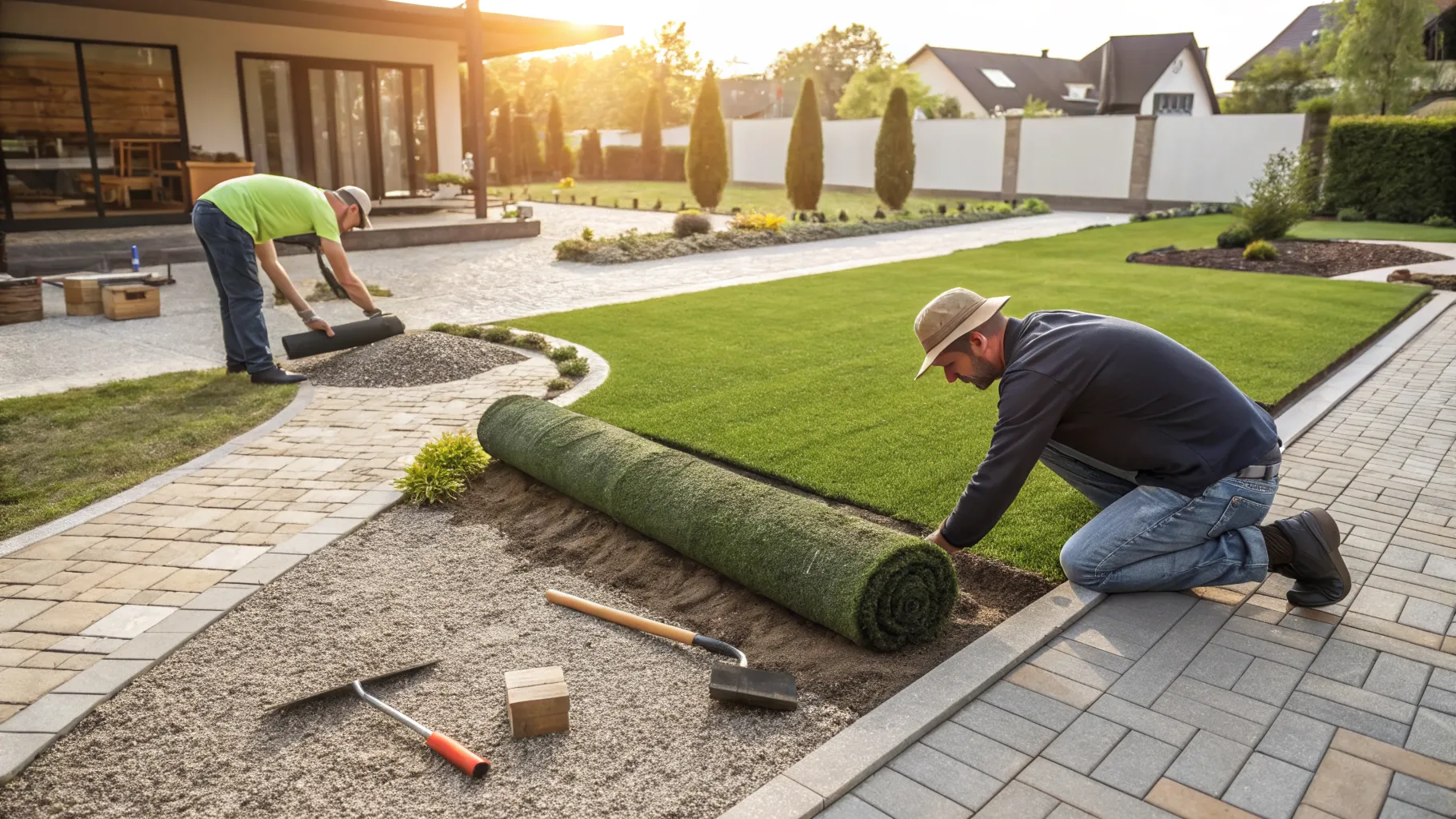
Factors Influencing Artificial Turf Installation Costs
The total artificial turf installation cost is a multifaceted calculation, heavily influenced by several key variables that homeowners and businesses must consider. Understanding these factors provides clarity on where your budget will be allocated and helps in obtaining accurate quotes for your project. Each component contributes significantly to the final investment.
Turf Type and Quality
The grade and style of artificial turf you select are paramount to the overall turf installation price. High-quality turf, often featuring denser pile heights, advanced backing systems, and more realistic blade shapes, will naturally command a higher price per square foot. These premium options offer enhanced durability, UV resistance, and a more natural aesthetic, justifying their increased upfront fake grass cost. Conversely, budget-friendly options, while more affordable, might not offer the same longevity or visual appeal, making it a critical decision based on your long-term goals and specific needs for your landscaping turf.
Area Size and Shape
The sheer size of the area designated for synthetic grass installation is a primary determinant of cost. Larger projects require more material and labor, increasing the overall expenditure. Furthermore, irregularly shaped areas with intricate curves, obstacles, or multiple angles can significantly raise labor costs due to the increased complexity of cutting, fitting, and seaming the turf. Straightforward, rectangular areas are generally more cost-effective to install.
Site Preparation Requirements
Before any turf can be laid, the existing site needs thorough preparation. This can involve removing old grass, weeds, and debris, excavating the ground to the proper depth, and ensuring adequate drainage. Extensive site preparation, such as significant grading, soil amendments, or the installation of a new sub-base, can add substantially to the artificial turf installation costs. Proper preparation is non-negotiable for a durable and long-lasting installation, but its extent directly impacts your initial outlay.
Installation Labor
Labor costs are a significant portion of the total turf installation price. Highly skilled and experienced installers ensure a professional finish, proper drainage, and correct seam work, all of which contribute to the longevity and appearance of your artificial grass. Regional labor rates and the complexity of the installation project will directly influence these costs. Seeking multiple quotes and evaluating installer experience is vital for managing this aspect of the fake grass cost.
Additional Features and Accessories
Beyond the turf itself, various accessories can enhance your landscaping turf project but also add to the overall expense. These include specialized infill materials (such as antimicrobial or pet-friendly options), bender board or edging for a clean finish, gopher wire for pest control, and even integrated drainage systems. While these additions increase the artificial turf installation cost, they can also significantly improve the functionality, appearance, and durability of your synthetic lawn.
A Deep Dive into Synthetic Grass Installation Materials
The materials chosen for your synthetic grass installation are critical for both the aesthetic appeal and the long-term performance of your artificial lawn. Understanding the nuances of different turf fibers, infill options, and base materials will enable you to make informed decisions that align with your budget and usage requirements, directly impacting the overall turf installation price. Each material plays a distinct role in the final product's look, feel, and durability.
Artificial turf blades are primarily made from three types of polymers: polyethylene, polypropylene, and nylon. Polyethylene is the most common choice for landscaping due to its soft feel, realistic appearance, and excellent durability, offering a great balance between quality and fake grass cost. Polypropylene is generally more affordable but less durable, making it suitable for low-traffic areas or as a thatch layer in higher-quality turf. Nylon, while extremely durable and resilient to crushing, is often the most expensive and has a stiffer texture, commonly used for putting greens or specialized applications. The choice of fiber significantly influences the initial artificial turf installation costs and the expected lifespan of your lawn.
Infill is another crucial component, providing weight, support to the blades, and enhancing the turf's natural feel. Common infill materials include silica sand, crumb rubber (recycled tires), and various eco-friendly or organic options like Zeofill (zeolite mineral) or coated sand. Silica sand is cost-effective but can compact over time. Crumb rubber offers excellent cushioning and blade support but can retain heat. Eco-friendly infills are designed for pet-friendly installations or for those seeking greener alternatives, though they often come at a higher turf installation price. The type of infill impacts drainage, comfort, and the turf's ability to stand upright, making it an essential consideration for the overall functionality and longevity of your landscaping turf.
The base material laid beneath the turf is fundamental to proper drainage, stability, and a smooth surface. Typically, this involves several layers of crushed rock, gravel, or decomposed granite, compacted to create a firm and level foundation. The quality and depth of the base material are vital for preventing divots, ensuring consistent drainage, and supporting the turf over many years. Inadequate base preparation can lead to uneven surfaces, poor drainage, and ultimately compromise the entire synthetic grass installation. While the base material might seem like a hidden cost, it is a non-negotiable investment that directly influences the longevity and performance of your artificial lawn, contributing significantly to the overall artificial turf installation costs.
Calculating Your Fake Grass Cost Per Square Foot
Accurately estimating your fake grass cost per square foot involves a careful assessment of all components, moving beyond the simple price of the turf material itself. This detailed calculation helps in budgeting effectively and ensures there are no surprises during your artificial turf installation project. Understanding how each element contributes to the final square footage price is key to managing your overall turf installation price.
First, begin by measuring the exact dimensions of the area where you plan to install artificial turf. This will give you the total square footage required for the turf material. Remember to account for a small percentage of waste, especially for irregularly shaped areas. The cost of the turf itself typically ranges from $2 to $8 per square foot, with variations based on quality, pile height, and brand. This is merely the starting point for your fake grass cost calculation.
Next, factor in the costs associated with site preparation. This includes the removal of existing landscaping, excavation, and hauling away debris. Depending on the current state of your yard, these services can add $1 to $3 per square foot. Following excavation, the installation of a proper sub-base—typically crushed aggregate or decomposed granite—is essential for drainage and stability. Materials for the base can run from $0.50 to $2 per square foot, plus labor for spreading and compacting. This foundational work significantly impacts the overall turf installation price, ensuring a durable finish for your landscaping turf.
Infill material, which provides crucial support to the turf blades and contributes to its natural feel, typically costs between $0.25 and $0.75 per square foot, depending on the type (e.g., silica sand, crumb rubber, or specialized pet-friendly infills). Edging, weed barriers, and other accessories can add another $0.10 to $0.50 per square foot. Finally, and often the largest component, is the labor cost for the actual synthetic grass installation. Professional installation, which includes cutting, seaming, securing, and brushing the turf, can range from $3 to $8 per square foot. When you combine all these elements, the comprehensive artificial turf installation costs generally fall within the $8 to $20 per square foot range, providing a robust estimate for your project.
The Long-Term Value and ROI of Landscaping Turf
While the initial artificial turf installation costs might seem substantial, it's crucial to view this investment through the lens of long-term value and return on investment (ROI). Many homeowners and businesses find that the ongoing savings and benefits quickly offset the upfront synthetic grass installation expenses, making landscaping turf a financially sound and sustainable choice over time. The decision to install artificial turf extends far beyond just the initial financial outlay, impacting various aspects of property management and lifestyle.
One of the most significant advantages of landscaping turf is the dramatic reduction in water consumption. Natural grass lawns require extensive irrigation, especially in drier climates, leading to substantial water bills. Artificial turf eliminates this need almost entirely, translating into significant monthly savings that compound over years. This factor alone can recover a considerable portion of the initial fake grass cost. Furthermore, reduced water usage contributes positively to environmental conservation, aligning with modern sustainability goals and potentially qualifying for local rebates or incentives.
Beyond water, the maintenance requirements for artificial turf are minimal compared to natural grass. Gone are the days of mowing, fertilizing, aerating, and pest control. These tasks not only consume valuable time but also incur ongoing costs for equipment, fuel, chemicals, and professional services. By eliminating these expenses, homeowners can save hundreds, if not thousands, of dollars annually, directly improving the ROI of their turf installation price. The durability of high-quality artificial turf also means fewer repairs and replacements, further enhancing its long-term economic appeal.
From an aesthetic and property value perspective, landscaping turf maintains a vibrant, perfectly manicured appearance year-round, regardless of weather conditions or foot traffic. This consistent curb appeal can increase a property's market value, a significant benefit should you decide to sell. Unlike natural lawns that can suffer from brown patches, weeds, or pest damage, artificial turf remains pristine, offering a low-maintenance, high-impact landscape solution. The investment in a quality synthetic grass installation is not just for enjoyment; it’s an enhancement that contributes to the property's overall desirability and financial worth, solidifying its position as a wise decision despite the initial artificial turf installation costs.
Choosing the Right Contractor for Your Turf Installation Project
Selecting the right contractor is paramount to ensuring a successful and satisfactory artificial turf installation. The quality of workmanship directly impacts the longevity, appearance, and performance of your new lawn, making this decision just as important as choosing the turf itself. A reputable installer will help you navigate the various factors influencing artificial turf installation costs and deliver a flawless finish.
- Research Local Contractors: Start by researching artificial turf installers in your local area. Look for companies with a strong track record, positive customer reviews, and a portfolio of completed projects. Online platforms and local directories are excellent resources for initial vetting. A contractor experienced in synthetic grass installation will understand local regulations and climate considerations.
- Obtain Multiple Quotes: Always get detailed quotes from at least three different contractors. These quotes should itemize all costs, including materials (turf, infill, base), labor, site preparation, and any additional features. Comparing these quotes will give you a clear understanding of the market's turf installation price and help you identify any potential discrepancies.
- Check for Licensing and Insurance: Verify that the contractor is properly licensed and insured. This protects you from liability in case of accidents or damage during the fake grass cost project. Unlicensed contractors might offer lower prices, but they pose significant risks.
- Review References and Portfolios: Ask for references from previous clients and take the time to contact them. Inquire about their experience with the contractor, the quality of the work, and how any issues were handled. Reviewing a contractor's portfolio of completed landscaping turf projects can also give you an idea of their aesthetic and technical capabilities.
- Understand Warranties: A reliable contractor will offer warranties on both the artificial turf product and their installation workmanship. Understand the terms and duration of these warranties. A good warranty provides peace of mind and protection for your investment in artificial turf installation costs.
Frequently Asked Questions
What is the average artificial turf installation cost?
The average artificial turf installation cost typically ranges from $8 to $20 per square foot, though this can vary significantly based on factors like turf quality, site preparation requirements, and regional labor rates. Premium turf types and complex installations will naturally fall on the higher end of this spectrum.
How long does synthetic grass installation take?
The duration of a synthetic grass installation project depends heavily on the size and complexity of the area. A small backyard might take 1-2 days, while larger or more intricate landscapes could require 3-5 days or even longer for extensive preparation work.
Are there hidden costs associated with fake grass cost?
While most reputable installers provide comprehensive quotes, potential hidden costs can arise from unforeseen site preparation issues, such as extensive grading or drainage problems. Always ensure your contract details all aspects, including base materials, infill, edging, and any necessary ground leveling to avoid surprises in your fake grass cost.
Does landscaping turf require maintenance?
Although significantly lower than natural grass, landscaping turf is not entirely maintenance-free. It requires occasional brushing to maintain pile direction, rinsing to remove dust or pet waste, and periodic checks for debris. This minimal upkeep ensures the longevity and aesthetic appeal of your investment.
References
- Industry standards for artificial turf installation.
- Economic analyses of water conservation in landscaping.
- Consumer reports on synthetic grass durability.