A Homeowner's Guide to Energy-Efficient Window Replacement
Replacing old, drafty windows is one of the most effective ways to improve your home's energy efficiency, lower utility bills, and enhance indoor comfort. Modern windows offer advanced technologies designed to minimize heat transfer, keeping your home warmer in the winter and cooler in the summer. Navigating the various options can seem daunting, but understanding the key components of an energy-efficient window will empower you to select the best fit for your home and climate.
Understanding Window Energy Ratings
To compare windows effectively, it helps to understand the standardized ratings that measure their performance. Labels from organizations like the National Fenestration Rating Council (NFRC) provide unbiased energy performance information. Look for these key metrics when shopping for new windows:
- U-Factor: This measures how well a window prevents heat from escaping. The lower the U-factor, the better the window is at insulating. This is a particularly important number for colder climates.
- Solar Heat Gain Coefficient (SHGC): SHGC measures how much solar radiation is admitted through a window. A lower SHGC is beneficial in hot climates to reduce cooling costs, while a higher SHGC can be advantageous in cold climates to help heat the home with natural sunlight.
- Visible Transmittance (VT): This rating indicates how much visible light comes through the window, measured on a scale of 0 to 1. A higher VT means more natural light, which can reduce the need for artificial lighting.
- Air Leakage (AL): This measures how much air passes through joints in the window assembly. A lower AL rating means a more airtight window, which reduces drafts.
Choosing the Right Frame Material
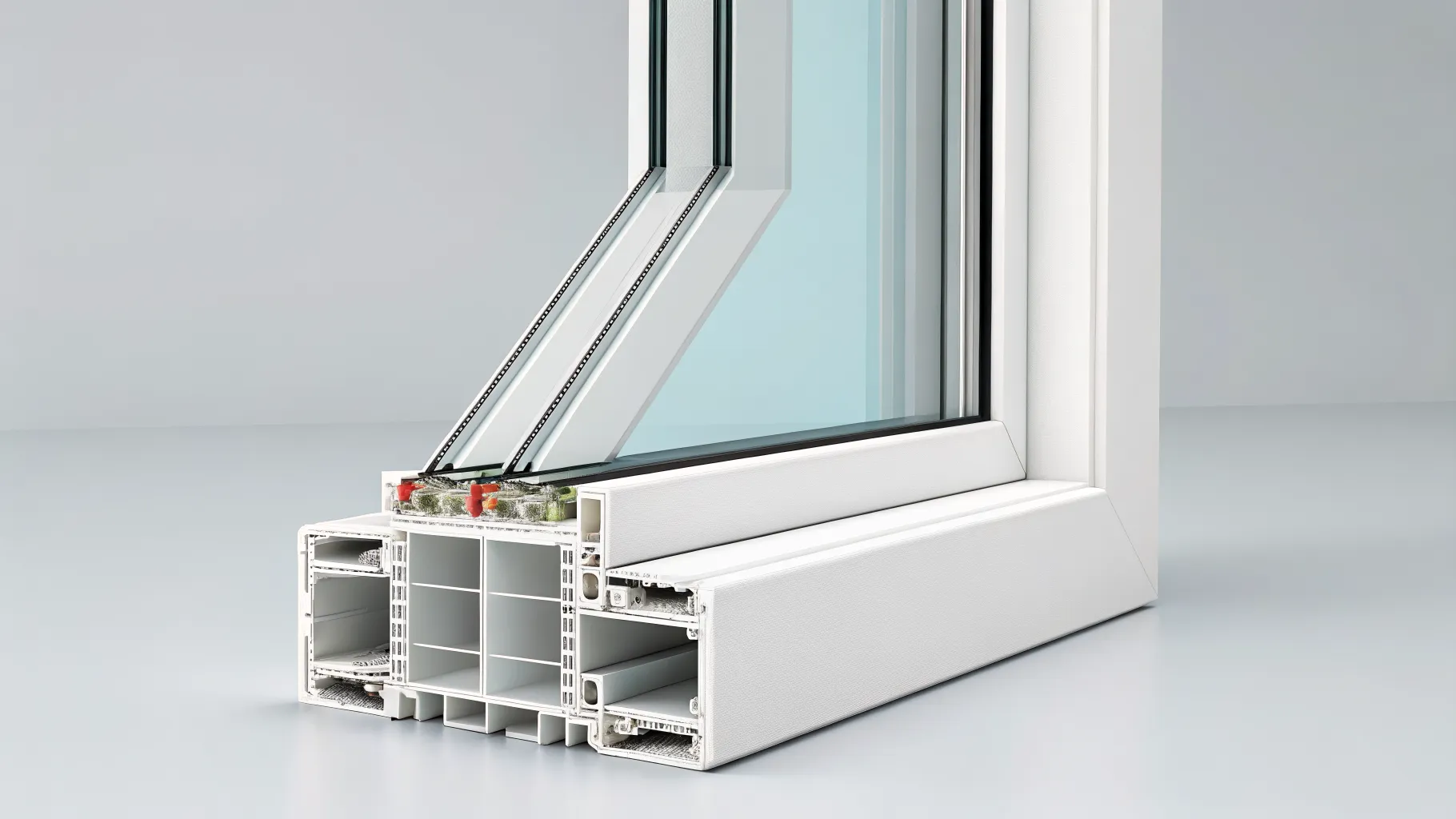
The material used for the window frame plays a significant role in its overall insulation and durability. Each material offers a unique set of benefits regarding cost, maintenance, and thermal performance. Homeowners have several popular choices available today.
Vinyl frames are affordable, durable, and require very little maintenance. They also offer excellent thermal insulation. Wood frames are prized for their classic appearance and are natural insulators, but they require regular maintenance like painting or staining to prevent rot. Fiberglass frames are extremely strong, durable, and offer superior insulation. They can be painted and resist swelling and shrinking with temperature changes. Aluminum frames are strong and lightweight but are not the best insulators unless they feature a thermal break to reduce heat transfer.
Key Glazing and Glass Technologies
The glass itself, or the 'glazing,' is where much of the energy-saving technology is found. Single-pane windows are a thing of the past for most applications, as multi-pane units offer vastly superior performance. Double-pane or triple-pane windows create insulating air gaps between the sheets of glass.
To further enhance performance, these gaps are often filled with an inert gas like argon or krypton, which are denser than air and better at reducing heat transfer. Additionally, many modern windows feature a Low-E (low-emissivity) coating. This is a microscopically thin, transparent metallic layer that reflects infrared heat, keeping heat inside during the winter and outside during the summer without significantly reducing visible light.
How Window Style Affects Efficiency
The way a window opens and closes can impact its energy efficiency, primarily due to how tightly it can seal. Some styles are inherently more airtight than others, which can make a difference in reducing drafts and heat loss. Choosing a style that matches your home's aesthetic while providing strong performance is an important consideration.
For example, casement, awning, and hopper windows, which press a sash against the frame to close, tend to have lower air leakage rates than sliding or single-hung and double-hung windows. Picture windows, which do not open at all, offer the highest level of airtightness. However, advancements in weatherstripping and design have greatly improved the performance of all window types in recent years.
The Critical Role of Professional Installation
Even the most advanced, energy-efficient window will fail to perform as expected if it is not installed correctly. Proper installation ensures that the window is plumb, level, and square within its opening. It also creates a continuous, airtight, and watertight seal between the window frame and the house structure, preventing drafts and water intrusion.
A professional installer will use the correct flashing, insulation, and sealants to integrate the window seamlessly into your home's weather-resistant barrier. When seeking an installer, look for experienced professionals with good references and proper certification. A quality installation is a crucial investment that protects the performance and longevity of your new windows.
Finding Local and Affordable Solutions
The cost of window replacement can vary widely based on material, style, brand, and labor rates in your area. To find an affordable solution, it is wise to obtain quotes from several reputable local installers. This allows you to compare not just the price but also the quality of the products and the scope of the installation services offered.
Also, investigate potential rebates or tax credits for installing energy-efficient windows. Many utility companies and local or federal government programs offer incentives to homeowners who upgrade their homes with ENERGY STAR certified products. These programs can help offset the initial investment, making high-performance windows a more accessible and financially sound choice in the long run.