A Guide to Professional Pest Control Prices
When facing a pest problem, one of the first questions that comes to mind is about the cost of professional help. Prices for pest control services are not one-size-fits-all, as they depend on a wide variety of factors. Understanding these variables can help you make an informed decision and know what to expect when you request a quote from a local provider.
Factors That Influence Pest Control Pricing
The most significant factor determining the cost of treatment is the type of pest you are dealing with. Common pests like ants or spiders are typically less expensive to manage than more destructive or resilient pests like termites, bed bugs, or certain types of rodents. Each pest requires a specific treatment strategy, different products, and varying levels of labor, all of which impact the final price.
The severity and scope of the infestation also play a crucial role. A small, contained issue in one room will naturally cost less to resolve than a widespread infestation that has spread throughout the property. Technicians must assess how entrenched the pests are to determine the amount of product and time needed to effectively eliminate them, which directly affects the cost.
The Size and Type of Your Property
The overall size of the area that needs treatment is a straightforward cost factor. A larger home or commercial building requires more time, labor, and treatment materials than a small apartment or condo. Companies often calculate their base price on the square footage of the property, so be prepared to provide this information when seeking an estimate.
Beyond just size, the type and complexity of your property can influence the price. A single-family home with a simple layout is often easier to treat than a multi-story building with numerous hard-to-reach areas like crawl spaces, attics, or complex wall voids. Accessibility is key, as technicians may need to use special equipment or spend extra time to reach the source of the infestation.
Types of Pest Control Treatments
Pest control professionals have an arsenal of treatment methods, and the one chosen for your situation will affect the cost. The approach depends on the pest, the location of the infestation, and your preferences regarding chemical use. Some treatments are more labor-intensive or require more expensive products than others.
Common treatment options and their general cost implications include:
- Chemical Sprays: Often used for perimeter treatments and common insect problems. This is a standard and generally affordable option.
- Bait Systems: Frequently used for ants, cockroaches, and termites. These can involve installation and ongoing monitoring, which factors into the cost.
- Fumigation: A highly effective but also one of the most expensive treatments, typically reserved for severe infestations like drywood termites. It involves tenting the entire structure.
- Heat Treatments: An effective, chemical-free option for pests like bed bugs, but it can be more costly due to the specialized equipment and labor required.
One-Time Service vs. Ongoing Contracts
You can often choose between a single treatment service or an ongoing pest management plan. A one-time service is designed to address a specific, active infestation. It typically costs more upfront than a single visit under a contract but does not require any further commitment.
Ongoing contracts, such as quarterly or bi-monthly service plans, are designed for long-term prevention. The initial visit may have a higher fee, but subsequent visits are charged at a lower, predictable rate. These plans often cover a range of common household pests and may include free re-treatments if a covered pest problem arises between scheduled visits, offering peace of mind and potentially saving money over time.
What to Expect from an Inspection and Quote
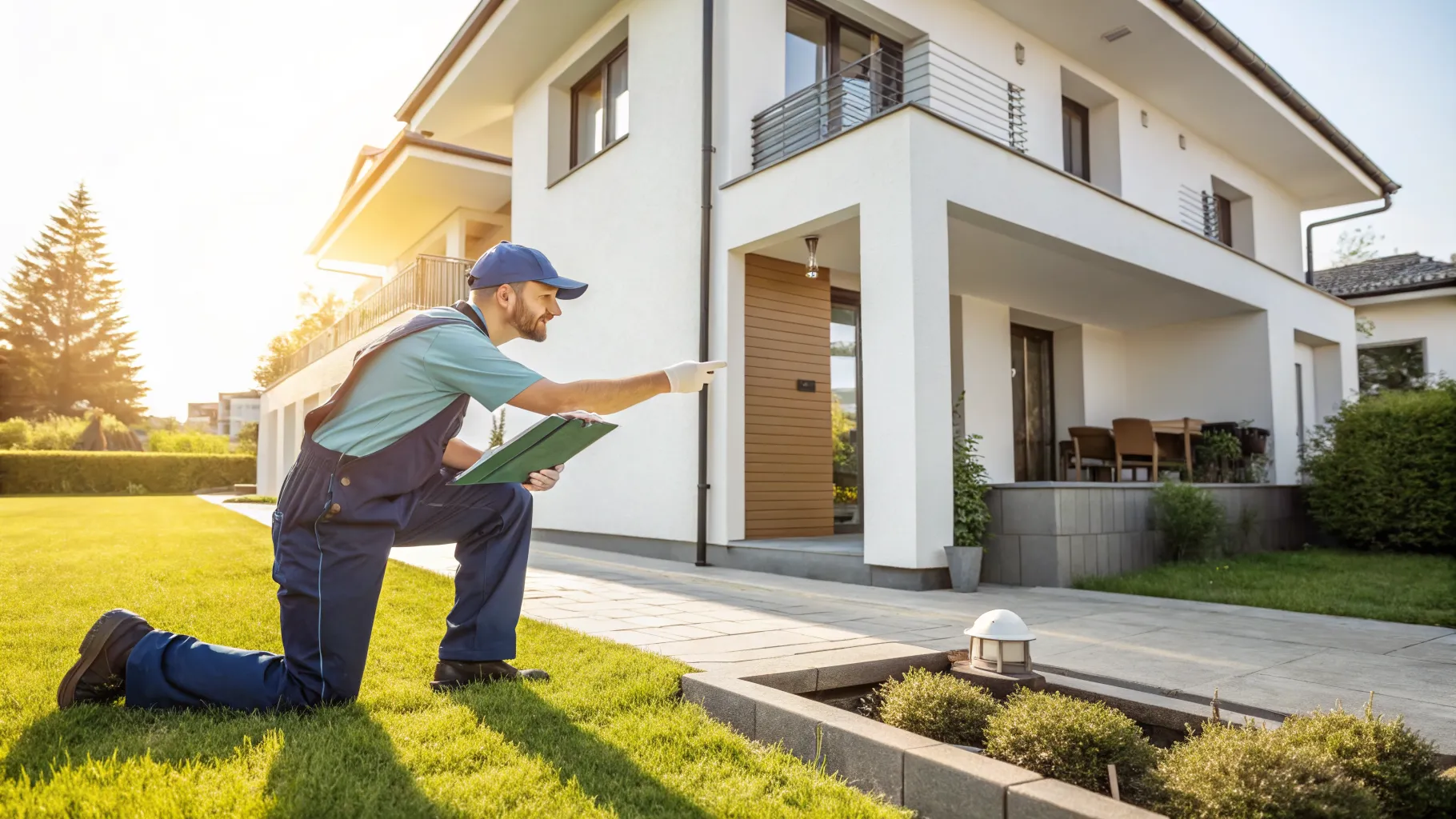
A reputable pest control company will almost always insist on performing a thorough inspection before providing a price quote. Be cautious of any company that offers a flat rate over the phone without seeing the property and understanding the specific nature of your problem. The initial inspection is critical for identifying the pest, determining the extent of the infestation, and locating potential entry points.
After the inspection, you should receive a detailed, written proposal. This document should clearly outline the findings, the specific pests to be treated, the recommended treatment plan, the products that will be used, and a complete breakdown of the costs. It should also include information about any service guarantees or warranties offered.
Finding Affordable and Reputable Services
To find a service that fits your budget, it is wise to get quotes from at least two or three different local companies. This allows you to compare not just the prices but also the proposed treatment methods and the professionalism of each provider. When comparing, ensure you are looking at similar services and guarantees to make a fair assessment.
However, the lowest price is not always the best value. Prioritize hiring a company that is licensed, insured, and has positive reviews from past customers. A qualified and experienced technician is more likely to solve your pest problem effectively the first time, preventing the need for more costly treatments down the road. Check their credentials and ask for references to ensure you are hiring a trustworthy professional.