A Guide to Europe Multi-Country Tour Packages
Embarking on a multi-country European tour is a dream for many travelers, offering a whirlwind of diverse cultures, breathtaking landscapes, and historic landmarks in a single trip. Tour packages streamline the complex logistics of hopping between nations, handling transportation, accommodation, and activities. This allows you to focus on the experience itself, whether you're gazing at art in Paris, hiking in the Swiss Alps, or exploring ancient ruins in Rome.
What to Expect from a Multi-Country Tour Package
A multi-country tour package is a pre-arranged travel plan sold by a tour operator that typically bundles several key components of a trip. The primary benefit is convenience, as the operator handles the intricate planning involved in coordinating travel and lodging across different countries. Most packages include accommodations in selected hotels, transportation between cities (often by coach or train), a set number of guided tours or excursions, and some meals, usually breakfast.
These packages come in various styles to suit different travelers. Fully guided tours feature a dedicated tour director who travels with the group, providing commentary and managing all logistics. Semi-independent tours offer a balance, bundling transportation and hotels but leaving days open for personal exploration. Understanding the level of guidance and included activities is crucial when comparing different options, as it directly impacts both the price and the overall travel experience.
The Classic France, Switzerland, and Italy Itinerary
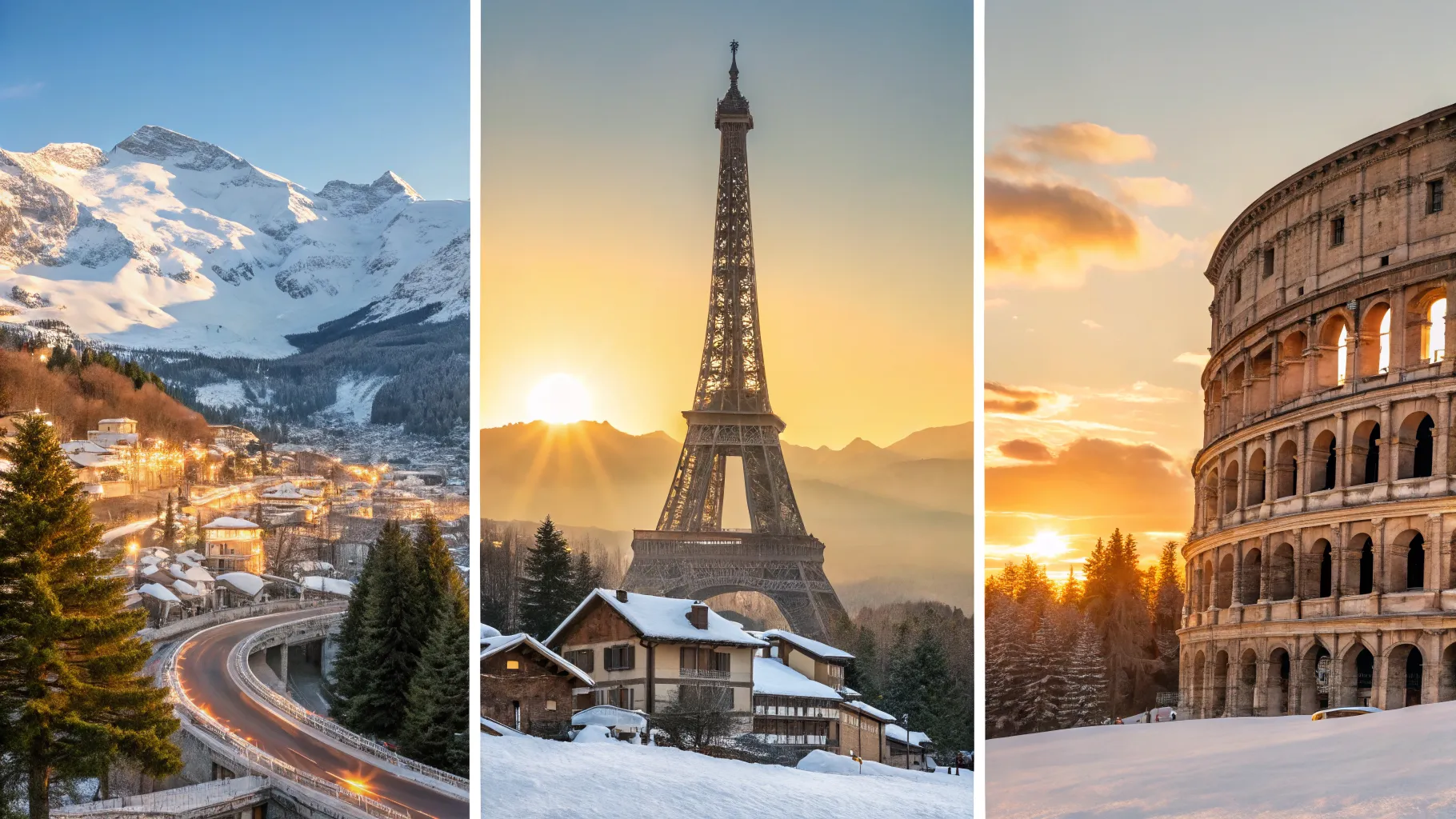
One of the most popular multi-country routes combines France, Switzerland, and Italy. This trio offers an incredible variety of experiences, from the romantic cityscape of Paris and the dramatic peaks of the Swiss Alps to the rich history and cuisine of Italy. A typical 10-day itinerary provides a fantastic snapshot of this region, though it often involves a fast pace to cover significant ground.
A common 10-day program might begin with 2-3 days in Paris to see landmarks like the Eiffel Tower and the Louvre. From there, travelers usually journey by high-speed train to Switzerland for 2-3 days, exploring cities like Lucerne or Geneva and taking in the spectacular mountain scenery. The final leg of the trip is Italy, with 3-4 days split between iconic destinations such as Venice, Florence, or Rome, where travelers can immerse themselves in art, history, and culinary delights before departing.
Understanding Tour Package Costs
The cost of a multi-country tour package can vary dramatically based on several factors. The level of accommodation is a major driver; packages using centrally located 4-star hotels will be more expensive than those with 3-star hotels on the outskirts of cities. The mode of transportation also plays a role, with scenic high-speed train journeys often costing more than travel by coach bus. The number of included meals, guided tours, and entrance fees to attractions will also influence the final price.
When budgeting for a tour, it's essential to read the fine print to see what is not included. International airfare to and from the starting and ending points is almost always separate. Other common exclusions are travel insurance, lunches and most dinners, visa fees, tips for guides and drivers, and optional excursions that come at an additional cost. Factoring in these extra expenses will give you a more realistic picture of the total trip cost.
How to Evaluate a Guided Tour Program
Reading reviews of specific tour packages can provide invaluable insight, particularly regarding the quality of the tour guides and the overall pacing. An experienced and engaging tour director can transform a good trip into an unforgettable one by providing local context, historical anecdotes, and seamless logistical support. Look for feedback that mentions the guide's knowledge, organization, and ability to manage group dynamics.
Beyond the guide, consider the structure of the itinerary itself. A well-designed tour balances organized activities with sufficient free time for independent exploration. Check the following details:
- Pacing: Does the schedule involve very early morning starts and long travel days, or is it more relaxed?
- Group Size: Smaller groups can offer a more intimate and flexible experience compared to larger coach tours.
- Inclusions: Verify which specific monument entrances, city tours, and special activities are covered in the price.
- Free Time: Ensure the itinerary allows you opportunities to dine at local restaurants, shop, or visit attractions that are not part of the group plan.
Logistics of Transportation and Accommodation
Traveling between France, Switzerland, and Italy is made efficient by Europe's excellent transportation network. High-speed trains are a popular choice for their speed, comfort, and the scenic views they offer, especially when crossing the Alps. For example, the journey from Paris to Geneva or Zurich connects major hubs quickly. Tour operators also frequently use private coaches, which can be convenient for reaching smaller towns and ensuring the group stays together, though travel times are longer.
Accommodations provided in tour packages are typically well-vetted, but their location is a key factor to consider. Hotels situated in central locations make it easier to explore during your free time, while those on the periphery may require using public transportation to reach the main sights. It is a good practice to look up the names and locations of the hotels listed in the itinerary to understand where you will be staying in relation to the city centers.
Preparing for Your European Adventure
Once you've chosen a tour package, proper preparation is key to a smooth journey. Packing light is highly recommended. You will likely be moving your own luggage in and out of hotels and onto trains or buses every few days, so a manageable suitcase is essential. Comfortable walking shoes are non-negotiable, as you will be spending a significant amount of time on your feet exploring cities and historical sites.
Other practical considerations include purchasing comprehensive travel insurance that covers medical emergencies and trip cancellations. Be aware of currency differences; France and Italy use the Euro (€), while Switzerland uses the Swiss Franc (CHF). It's also wise to pack universal power adapters for charging your electronic devices. Informing your bank of your travel dates will prevent your cards from being blocked, ensuring you have access to funds throughout your trip.