A Guide to 7-Night Cruises in Italy, Croatia, and the Adriatic
An Adriatic cruise offers a unique way to experience the rich history, diverse cultures, and breathtaking landscapes of Italy and Croatia. A 7-night voyage provides a perfect snapshot of this beautiful region, from ancient Roman ruins to medieval walled cities and pristine beaches.
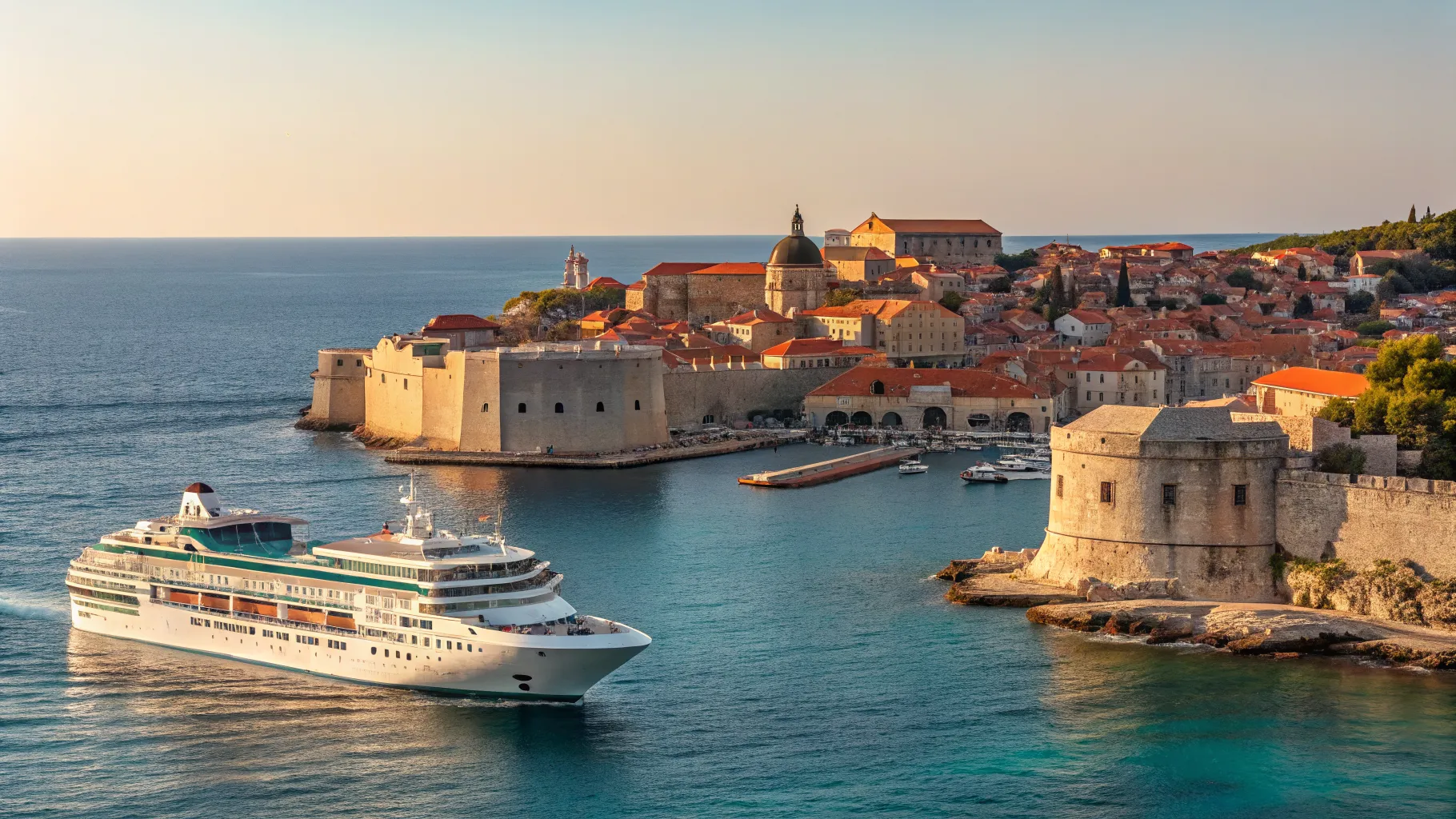
What to Expect on an Adriatic Cruise
A journey through the Adriatic is a voyage through time. You can expect to wake up in a new port almost every day, each with its own unique character. The experience combines relaxed sea travel with immersive cultural exploration, allowing you to see iconic landmarks without the hassle of constantly packing and unpacking. The onboard experience is often just as much a part of the trip, with dining, entertainment, and opportunities to relax while sailing between destinations.
These cruises typically balance time at sea with full or half days in port. Shore excursions are often available, ranging from guided city tours and historical site visits to culinary experiences and beach outings. However, you can also explore independently, wandering through cobblestone streets, shopping in local markets, or simply enjoying a coffee at a seaside cafe. The blend of structured activities and free time makes it an appealing option for many types of travelers.
Common Itinerary Highlights in Italy
Many Adriatic itineraries begin or end in Italy, often using historic ports as a gateway to the region. Venice is a classic starting point, famous for its romantic canals, St. Mark's Square, and intricate architecture. Sailing out of Venice offers an unforgettable view of the city from the water. Another common port is Trieste, a city with a rich history influenced by Italian, Austro-Hungarian, and Slavic cultures. Its grand squares and seaside promenades are a delight to explore.
Some cruises might also visit ports further south in Italy, such as Bari or Ancona. These cities offer a different perspective on Italian life, with bustling harbors, historic old towns, and access to the beautiful Puglia or Marche regions. In these ports, you can discover everything from Norman castles to delicious local street food, providing a deeper look into Italy's diverse regional cultures.
Exploring Croatia's Dalmatian Coast
The Croatian coastline is a major highlight of any Adriatic cruise. Dubrovnik, often called the 'Pearl of the Adriatic,' is a must-see for many. Its magnificent medieval walls encircle a beautifully preserved old town filled with limestone streets, baroque churches, and charming cafes. Walking the city walls provides spectacular views of the terracotta rooftops and the sparkling sea.
Split is another key destination, known for the sprawling Diocletian's Palace, an ancient Roman complex that now forms the heart of the city. It's a living monument where shops, restaurants, and homes are built into the old Roman walls. Further along the coast, you might visit islands like Hvar, known for its vibrant atmosphere and fragrant lavender fields, or Korčula, a fortified town believed to be the birthplace of Marco Polo.
Other Potential Adriatic Ports
While Italy and Croatia are the mainstays, some 7-night itineraries include ports in other Adriatic nations, adding even more variety to the trip. Kotor, Montenegro, is a spectacular inclusion, located at the end of a winding, fjord-like bay. The town is a beautifully preserved medieval city, surrounded by impressive fortifications that snake up the steep mountainside. The climb is challenging but rewards you with breathtaking views.
Another possibility is a stop in Koper, Slovenia. This charming coastal town features a well-preserved medieval center with Venetian-gothic architecture. It provides a quieter, less-crowded alternative to some of the larger ports while still offering plenty of history and culture. These additional stops showcase the incredible diversity of the Adriatic basin, all within a relatively short sailing distance.
Choosing the Right Time to Go
The best time for an Adriatic cruise depends on your preferences for weather and crowds. The peak season runs from June to August when the weather is hottest and sunniest. This is ideal for swimming and sunbathing, but it's also when the ports are most crowded and prices are at their highest.
For a more balanced experience, consider the shoulder seasons of spring (May to early June) and autumn (September to October). During these months, the weather is still pleasantly warm, the crowds have thinned out, and you may find more affordable fares. The sea is warm enough for swimming in September, and the changing colors of autumn can be particularly beautiful. The winter is the off-season, with very few cruise lines operating in the region due to cooler weather and potentially rougher seas.
Onboard Life and Amenities
Life on a cruise ship is designed to be comfortable and convenient. Your cabin serves as a floating hotel room, and you only need to unpack once. Ships operating in the Adriatic range from large, resort-style vessels to smaller, more intimate yachts. Larger ships typically offer a wide array of amenities, including multiple restaurants, swimming pools, spas, theaters with nightly shows, and kids' clubs.
Regardless of ship size, you can expect a variety of dining options. Most cruises include meals in main dining rooms and buffet restaurants, with specialty restaurants available for an additional fee. Onboard activities might include cooking classes, guest lectures about the destinations, or simply relaxing on a deck chair with a book. It's wise to review what is included in your cruise fare, as things like drinks, gratuities, and shore excursions are often extra.
What to Pack for Your Journey
Packing for an Adriatic cruise requires a mix of casual and slightly dressier attire. During the day, comfortable clothing and sturdy walking shoes are essential for exploring port towns, which often have cobblestone streets and many steps. It's a good idea to bring items that can be layered to adapt to changing temperatures from day to night.
- Lightweight Layers: Bring light jackets or sweaters for cooler evenings or windy days at sea.
- Swimwear and Sun Protection: A swimsuit, sunscreen, a hat, and sunglasses are must-haves for days at the pool or potential beach stops.
- Comfortable Footwear: You will do a lot of walking, so pack supportive shoes. Water shoes can also be useful for rocky beaches.
- Slightly Formal Attire: Most cruise lines have 'smart casual' or formal nights in the main dining rooms. A collared shirt and slacks for men and a dress or nice separates for women are usually sufficient.
- A Reusable Water Bottle: Stay hydrated while exploring, and reduce plastic waste.