A Comprehensive Guide to Buying Used Industrial Tools
Acquiring the right equipment is a critical step for any industrial operation, workshop, or serious hobbyist. While new machinery comes with the latest technology and a full warranty, the price can be substantial. Opting for used industrial tools presents a practical alternative, allowing businesses and individuals to obtain high-quality, heavy-duty equipment at a fraction of the cost. However, navigating the secondhand market requires careful consideration and a good understanding of what to look for.
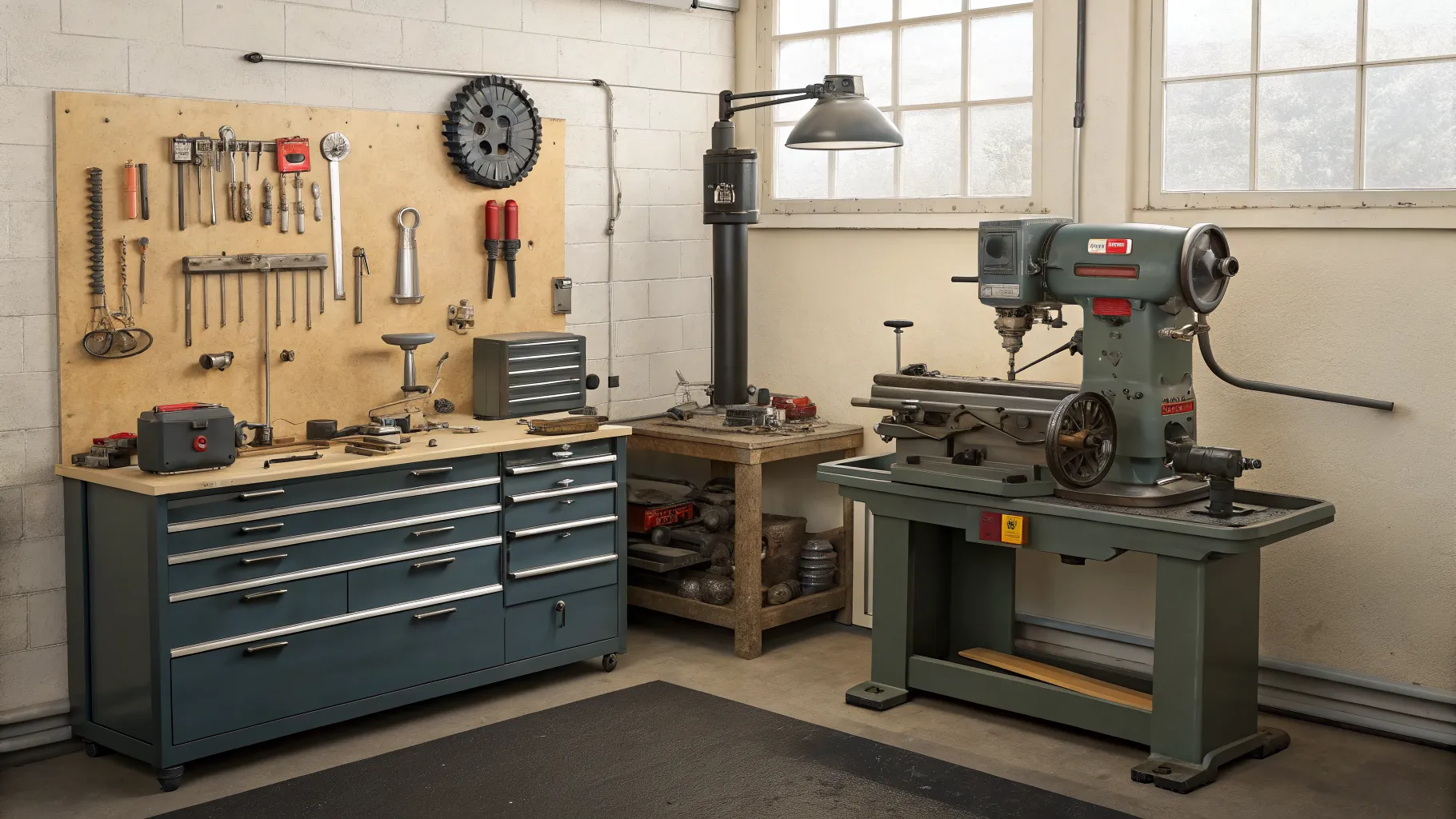
The Advantages of Opting for Used Industrial Tools
The most significant benefit of buying used industrial tools is the cost savings. New machinery often represents a major capital expenditure, especially for startups or small businesses looking to expand their capabilities. Purchasing secondhand can free up financial resources for other essential areas of the business, such as materials, marketing, or hiring skilled labor. The depreciation on industrial equipment is steepest in the first few years, meaning a used tool can often be purchased for a price that is much closer to its true functional value.
Beyond the financial perks, the used market provides immediate availability. Ordering new equipment can sometimes involve long lead times due to manufacturing and shipping schedules. Used tools are typically available for purchase and pickup right away, which is a major advantage for operations that need to get up and running quickly. Additionally, some older models are renowned for their robust construction and durability, sometimes outperforming their modern, lighter-weight counterparts. Buying used can grant access to these sought-after legacy machines that are no longer in production.
Potential Risks and How to Mitigate Them
While the benefits are compelling, the used industrial tool market is not without its risks. The most common concern is the lack of a manufacturer's warranty, leaving the buyer responsible for any repairs after the purchase. The tool's history is often unknown, meaning it could have been overworked, poorly maintained, or subjected to improper use. Hidden defects that are not apparent during a visual inspection can lead to unexpected and costly breakdowns.
You can mitigate these risks with due diligence. Whenever possible, buy from reputable sellers or dealers who have a history of standing by their equipment. Ask for any available maintenance logs or service records to get a sense of the tool's history. A thorough inspection is non-negotiable. If you lack the expertise to evaluate a specific piece of machinery, consider hiring an independent mechanic or technician to inspect it for you. Understanding that a low price on an 'as-is' item reflects the risk involved is crucial for managing expectations.
Where to Find Quality Used Industrial Equipment
There are several avenues for sourcing used industrial tools, each with its own pros and cons. Specialized used equipment dealers are often a reliable choice. These businesses typically inspect, service, and sometimes refurbish the tools before listing them for sale. They have a reputation to uphold and may offer a limited warranty, providing a greater degree of confidence for the buyer.
Other popular sources include online marketplaces and auction sites dedicated to industrial machinery. These platforms offer a vast selection but require more caution from the buyer. Additionally, keep an eye out for the following opportunities:
- Industrial auctions from companies that are closing down, upgrading, or liquidating assets.
- Government and military surplus auctions, which can be a source for heavy-duty, well-maintained equipment.
- Direct sales from other businesses in your industry who are looking to sell equipment they no longer need.
- Forums and online communities dedicated to specific trades, where members may post equipment for sale.
Key Factors to Consider Before Buying
Before you commit to a purchase, it is vital to assess several key factors beyond the tool's immediate condition. First, consider compatibility with your existing setup. Check the power requirements carefully; many industrial tools require three-phase power, which may not be available in all workshops. Also, consider the physical footprint of the machine to ensure you have adequate space for operation and maintenance.
Another critical consideration is the long-term serviceability of the tool. For older or more obscure models, are spare parts still available? A quick search online or a call to parts suppliers can save you from buying a machine that cannot be repaired. The reputation of the original manufacturer is also important. Brands known for their durability and long product cycles are generally a safer bet, as parts and support documentation are more likely to be accessible for years to come.
The Inspection Checklist: What to Look For
A thorough inspection is the most important step in the buying process. If you can inspect the tool in person, do so. If you are buying remotely, request high-resolution photos and videos of the machine, including a video of it in operation. Pay close attention to the sounds it makes, as unusual noises like grinding, rattling, or squealing can indicate worn bearings or other internal problems.
Use a systematic approach to your inspection. Here are some key areas to check:
- Structural Integrity: Look for cracks, stress fractures, or unprofessional repairs on the main frame, base, and critical components.
- Wear and Tear: Examine moving parts like gears, belts, chains, and hydraulic systems. Look for signs of excessive wear, leaks, or damage.
- Electrical Systems: Check the condition of wiring, switches, and motors. Frayed wires or jury-rigged electrical work are significant safety hazards.
- Safety Features: Ensure that all original safety guards, emergency stop buttons, and other protective mechanisms are present and functional.
- Accessories and Tooling: Confirm what accessories, if any, are included with the sale, as sourcing these separately can be expensive.
Understanding Terminology: 'As-Is' vs. 'Refurbished'
When browsing listings, you will frequently encounter terms like 'as-is' and 'refurbished'. It is essential to understand the difference. 'As-is' means you are buying the tool in its current condition, with all its faults. The seller offers no guarantees or warranties, and the responsibility for any necessary repairs falls entirely on you. This is the riskiest category, but it also offers the lowest prices.
'Refurbished' or 'reconditioned' implies that the seller has taken steps to inspect, clean, and repair the equipment to a certain standard of functionality. This process might involve replacing worn parts, repainting the machine, and testing its operation. While a refurbished tool will cost more than an as-is equivalent, it provides greater peace of mind and is more likely to be ready for immediate use. Some sellers may even offer a short-term warranty on refurbished items, adding another layer of security to your purchase.