9 Hair Mistakes That Can Make You Look Older
Our hair is a powerful form of self-expression, but as we go through life, the styles and habits that once worked for us might need a refresh. Certain choices in color, cut, and care can inadvertently make us look older than we feel. Recognizing these common missteps is the first step toward a more flattering and modern look that truly reflects your vitality. The goal isn't to look like a different person, but to choose a style that enhances your features and radiates confidence.
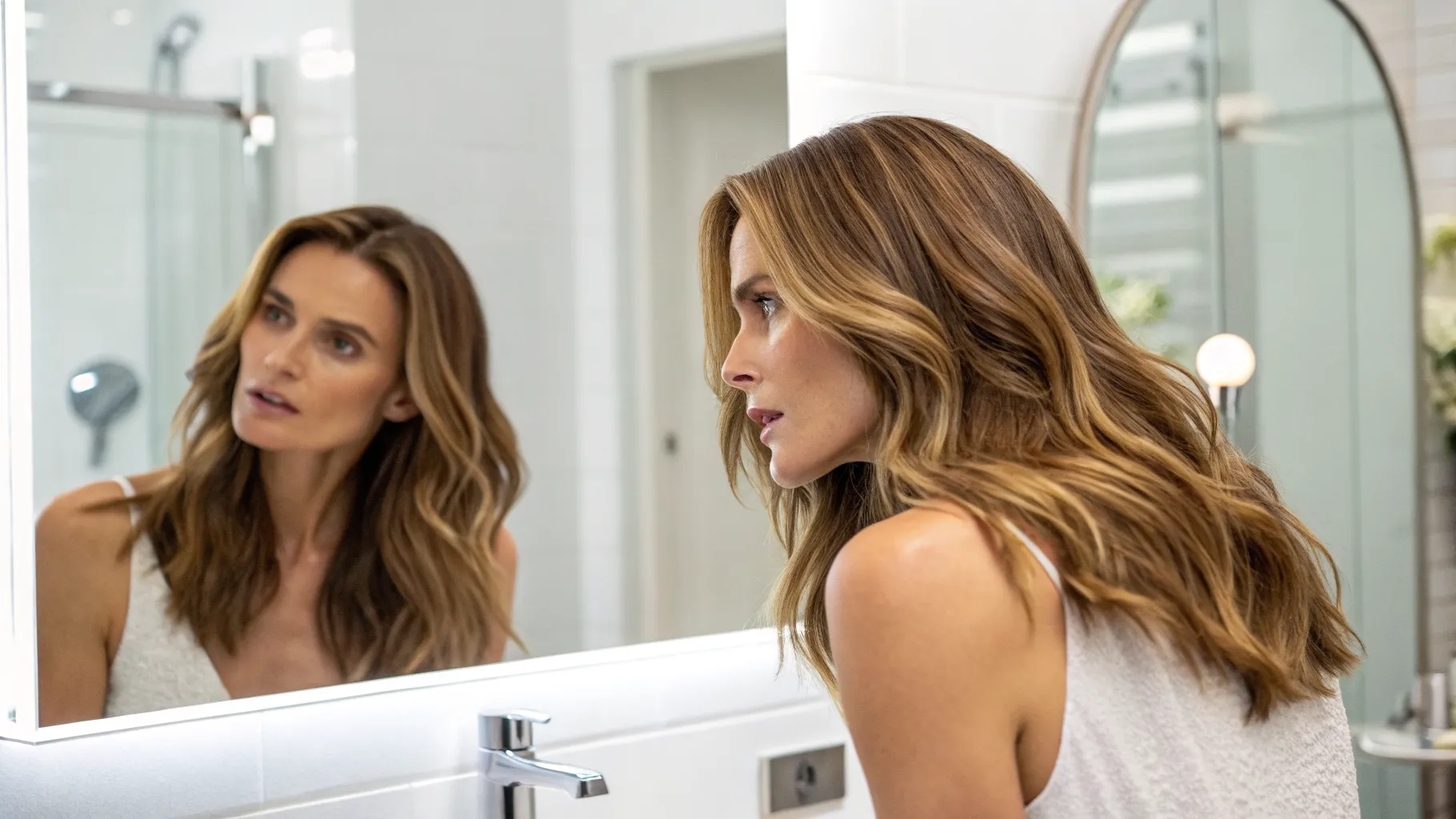
1. Choosing a Hair Color That Is Too Dark
As we get older, our skin tone tends to lose some of its pigment and vibrancy. A very dark, solid hair color can create a harsh contrast against lighter skin, which can accentuate fine lines, wrinkles, and shadows under the eyes. This starkness can look severe and artificial, adding years to your appearance instead of providing a youthful glow.
Instead of a single, dark shade, consider incorporating dimension. Ask a colorist for subtle highlights, lowlights, or a balayage treatment. These techniques break up the solid color and create a softer, more natural effect. Opting for a color that is one or two shades lighter than your natural dark hair can also illuminate your complexion and provide a more flattering frame for your face.
2. Sticking with a Hairstyle That's Too Severe
Extremely rigid or severe hairstyles, such as overly tight updos, sharp geometric bobs without any softness, or heavily sprayed styles, can look dated and harsh. These looks can pull on facial features in an unflattering way and often project an unapproachable or stern image. The lack of movement can make hair appear wig-like and unnatural.
The key to a more youthful look is softness and movement. Consider incorporating long, face-framing layers or soft waves to break up any harsh lines. A slightly messy, textured finish is much more modern and forgiving than a perfectly coiffed, immobile style. Even a simple change like a softer fringe or a side part can make a significant difference.
3. Neglecting Hair Health and Shine
Over time, hair can become drier, more brittle, and more prone to damage. Factors like hormonal changes, sun exposure, and years of heat styling can strip hair of its natural oils, leaving it looking dull and lifeless. Unhealthy, frizzy, or damaged hair is often associated with age, whereas shiny, lustrous hair is a hallmark of youth and vitality.
Prioritizing hair health is crucial. Incorporate a weekly deep conditioning mask into your routine to restore moisture. Always use a heat protectant spray before using hot tools, and try to minimize their use when possible. Regular trims every six to eight weeks are also essential for getting rid of split ends and keeping your hair looking healthy and strong.
4. Wearing the Same Haircut for Decades
It's easy to find a comfort zone with a haircut and stick with it for years, or even decades. However, a hairstyle that was fashionable in a previous era can instantly date your entire look. Furthermore, as our face shape, hair texture, and even lifestyle change, a cut that was once flattering may no longer be the best choice.
You don't need a radical change, but a modern update can work wonders. Consult with a trusted stylist about small tweaks you can make to your current style. This could mean adding some modern layers, adjusting the length to a more flattering spot, or changing your parting. A fresh perspective can help you evolve your look gracefully.
5. Insisting on Very Long, Shapeless Hair
While long hair can be beautiful at any age, extremely long hair without any shape or layers can have an aging effect. It can drag down your features, making you look tired. As hair naturally thins with age for many people, very long, one-length hair can also highlight a lack of volume and appear limp or sparse at the ends.
If you love long hair, consider adding long layers to create movement, body, and shape. This removes weight from the ends and adds volume around the crown and face. A well-styled shoulder-length cut or a long bob (a 'lob') can also be incredibly chic and youthful, offering length without the weighing-down effect.
6. Having Flat, Lifeless Hair
Volume is a key component of a youthful hairstyle. As we age, our hair can become finer and less dense, leading to a flatter appearance. Hair that sits flat against the scalp can lack energy and vibrancy, which in turn can make your facial features appear drawn down.
There are many ways to combat flatness. Start with volumizing hair products, such as a root-lifting spray or mousse applied to damp hair. When blow-drying, flip your head upside down to direct heat at the roots for extra lift. A good haircut with strategic layers can also create the illusion of more fullness and body.
7. An Unflattering Gray Hair Transition
Embracing gray hair can be incredibly empowering and stylish, but the transition period can be tricky. A stark, obvious line of demarcation between your natural gray roots and previously colored hair can look jarring and unkempt. Similarly, letting gray hair become yellowed or dull can also be aging.
To manage the transition gracefully, consider these options:
- Work with a colorist to blend the grays using highlights or lowlights for a more seamless grow-out.
- Get a chic, shorter haircut to speed up the process of cutting off the old color.
- Once you are fully gray, use a purple or blue-toned shampoo periodically to counteract any yellowing and keep your silver strands bright and vibrant.
8. Using the Wrong Products for Your Hair Type
The hair care products that worked for you in your 20s or 30s may not be suitable for your hair today. Mature hair is often drier, more color-treated, or finer than it used to be. Using products with harsh detergents can strip moisture, while using formulas that are too heavy can weigh fine hair down, making it look greasy and flat.
Re-evaluate your shampoo, conditioner, and styling products. Look for sulfate-free, moisturizing formulas if your hair is dry or color-treated. If your hair is fine, opt for lightweight, volumizing products. The right product lineup can make a world of difference in the health and appearance of your hair.
9. Getting a Cut That Doesn't Suit Your Face Shape
A great haircut should enhance your best features and create balance. A cut that isn't tailored to your specific face shape can have the opposite effect, highlighting areas you'd rather soften. For example, a haircut with no layers around a square jawline can make it look even more prominent.
Talk to your hairstylist about what styles will best complement your bone structure. For instance, soft layers around the face can soften a square or angular face, while volume at the crown can elongate a round face. A knowledgeable stylist can help you find a cut that is not only stylish but also personally flattering.