10 Foods That Support Bone Strength: A Comprehensive Guide
Building and maintaining a strong skeletal system is a lifelong process that relies heavily on proper nutrition. While calcium is the most well known mineral associated with bone density, the body also requires adequate amounts of vitamin D, magnesium, potassium, and vitamin K to absorb and utilize that calcium effectively. A balanced diet is the best way to ensure you are getting a complete profile of these essential nutrients. As a reliable health information guide, this article outlines 10 foods that support bone strength and explains how they contribute to your long term wellness.
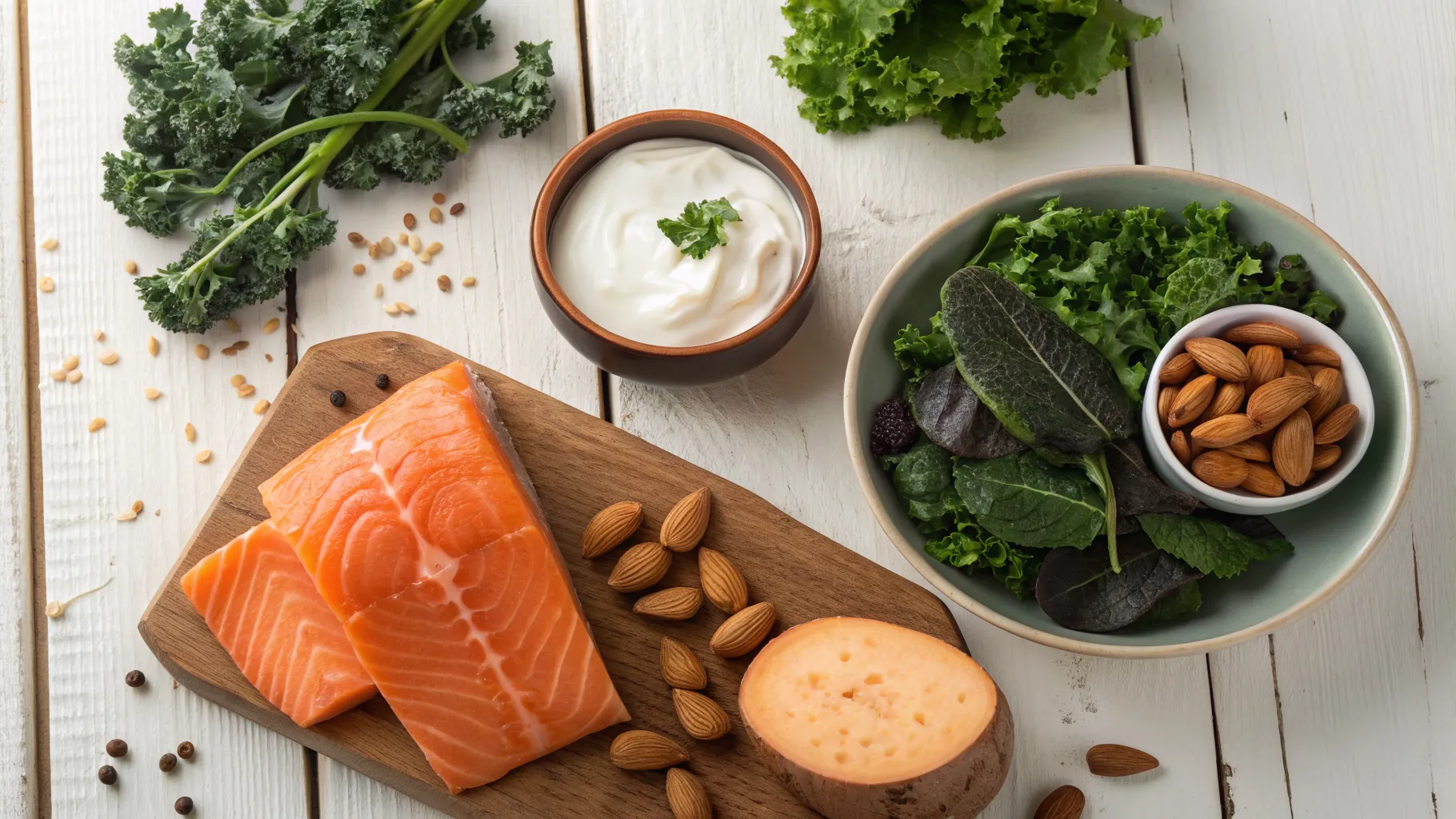
1. Yogurt for Probiotics and Calcium
Yogurt is an excellent source of calcium, which is the primary mineral that makes up the human skeleton. Consuming enough calcium is crucial for maintaining bone density and preventing conditions like osteoporosis as people age. Because it is a cultured dairy product, the live probiotics found in yogurt also support a healthy gut microbiome, which can improve overall nutrient absorption.
Beyond just calcium, many types of yogurt are fortified with vitamin D, a nutrient that helps the body absorb calcium more effectively. Greek yogurt offers an additional protein boost, though it may contain slightly less calcium than traditional varieties unless it has been specifically fortified. Checking the nutrition label can help you find a variety that offers the highest concentration of these essential minerals.
2. Salmon and Other Fatty Fish
Salmon is highly regarded for its nutritional profile, particularly its concentration of omega-3 fatty acids and naturally occurring vitamin D. Vitamin D is essential because it facilitates calcium absorption in the intestinal tract, ensuring that the mineral reaches the skeletal system where it is needed most. Without sufficient vitamin D, the body cannot absorb enough calcium from your diet.
Canned salmon is particularly beneficial for bone health when it includes the small, soft bones. These edible bones provide a direct and highly bioavailable source of calcium, making canned salmon a practical and affordable option for those looking to support their skeletal system. Adding it to salads or mixing it into simple fish patties provides a substantial boost to your daily mineral intake.
3. Dark Leafy Greens
For those who prefer plant-based sources of nutrients, dark leafy greens like kale, bok choy, and collard greens are outstanding choices. These vegetables are packed with calcium, offering a dairy-free alternative for individuals who are lactose intolerant or following a strict vegan diet. They are also incredibly versatile and can be easily incorporated into soups, stir-fries, and daily salads.
In addition to calcium, these greens supply a significant amount of vitamin K. Vitamin K plays a vital role in bone metabolism by helping to produce osteocalcin. Osteocalcin is a specialized protein that binds calcium to the bone matrix, increasing overall bone strength and reducing the likelihood of fractures over time.
4. Almonds and Almond Butter
Almonds are a versatile tree nut that provides a concentrated source of several minerals vital for maintaining a strong skeleton. A small handful of almonds contains a respectable amount of calcium, along with healthy fats and plant-based protein. They make for a convenient snack that requires no refrigeration or special preparation.
More importantly, almonds are rich in magnesium. Magnesium is necessary for converting vitamin D into its active form, which then promotes calcium absorption. Without adequate magnesium, even high intakes of calcium and vitamin D can be less effective for preserving bone mass, making this mineral a critical piece of the structural puzzle.
5. Calcium-Set Tofu
Tofu is a staple in many vegetarian and vegan diets, serving as a versatile protein source that easily absorbs the flavors of accompanying ingredients. When tofu is set with calcium sulfate during the manufacturing process, its nutritional value for skeletal health increases dramatically, making it a functional addition to your meals.
A single serving of calcium-set tofu can provide a substantial portion of the recommended daily intake for this essential mineral. Additionally, soybeans contain isoflavones, which are plant compounds that have been studied extensively for their potential to help preserve bone density, especially in aging populations.
6. Fortified Plant-Based Milks
As dairy alternatives continue to grow in popularity, fortified plant milks have become a convenient way to consume bone-supporting nutrients. Beverages made from oats, almonds, soy, or peas naturally contain very little calcium or vitamin D. However, manufacturers typically fortify them to match or even exceed the levels found in traditional cow milk.
When selecting a plant-based milk, it is important to remember to shake the container thoroughly before pouring. The added calcium and vitamins are often heavier than the liquid and can settle at the bottom of the carton. A good shake ensures that you receive the full nutritional benefit and mineral content in every single glass.
7. Chia Seeds
Despite their incredibly small size, chia seeds are a nutritional powerhouse that can easily be incorporated into a wide variety of meals. They are exceptionally high in calcium, magnesium, and phosphorus, all of which are essential structural components of human bones. They are completely tasteless, making them easy to hide in other foods.
Adding just a few tablespoons of chia seeds to your morning oatmeal, a fruit smoothie, or a bowl of yogurt can significantly boost your daily mineral intake. They also provide a healthy dose of dietary fiber and plant-based omega-3 fatty acids, which contribute to overall physical wellness and help regulate systemic inflammation.
8. Whole Eggs
Eggs are often celebrated primarily for their high-quality protein, but they also contain specific nutrients that support the human skeletal system. The yolk of the egg is where you will find vitamin D, which is relatively rare to find naturally occurring in common food sources. Eating the whole egg is necessary to harvest this specific benefit.
While the amount of vitamin D in a single egg is relatively modest, eating them on a regular basis can help you steadily reach your daily nutritional targets. Pasture-raised eggs or those sourced from chickens fed a vitamin D-enriched diet typically contain even higher levels of this crucial nutrient, making them a smart and economical addition to your grocery list.
9. Beans and Lentils
Legumes such as black beans, pinto beans, and lentils are excellent everyday foods that provide a complex array of bone-supporting minerals. They are naturally rich in magnesium, calcium, and phosphorus, providing a strong dietary foundation for maintaining bone density over time. They are also incredibly shelf-stable and budget-friendly.
It is worth noting that beans also naturally contain phytates, which are compounds that can interfere with the body absorbing calcium efficiently. You can easily reduce the phytate content by soaking dried beans in water for several hours before cooking them, which helps maximize the nutritional benefits and improves overall digestibility.
10. Sweet Potatoes
Sweet potatoes are a vibrant, nutrient-dense root vegetable that offers unique and often overlooked benefits for bone maintenance. They are an excellent source of two highly important minerals for skeletal health: magnesium and potassium. These complex carbohydrates can be baked, mashed, or roasted to fit almost any meal plan.
Potassium helps neutralize acid loads in the body, which can otherwise leach calcium from the bones if left unchecked over long periods. By maintaining a healthy alkaline balance, the potassium and magnesium found in sweet potatoes ensure that your body retains its existing calcium stores, keeping your skeleton strong and resilient.