10 European Cities to Add to Your Travel Itinerary
Choosing the right destination in Europe can be a daunting task for any traveler. The continent is packed with diverse cultures, rich histories, and stunning architecture. A good European cities to visit guide will help you narrow down the options based on your personal travel ideas and interests. Whether you are seeking world-class museums, vibrant street life, or scenic river views, there is a destination that fits the bill.
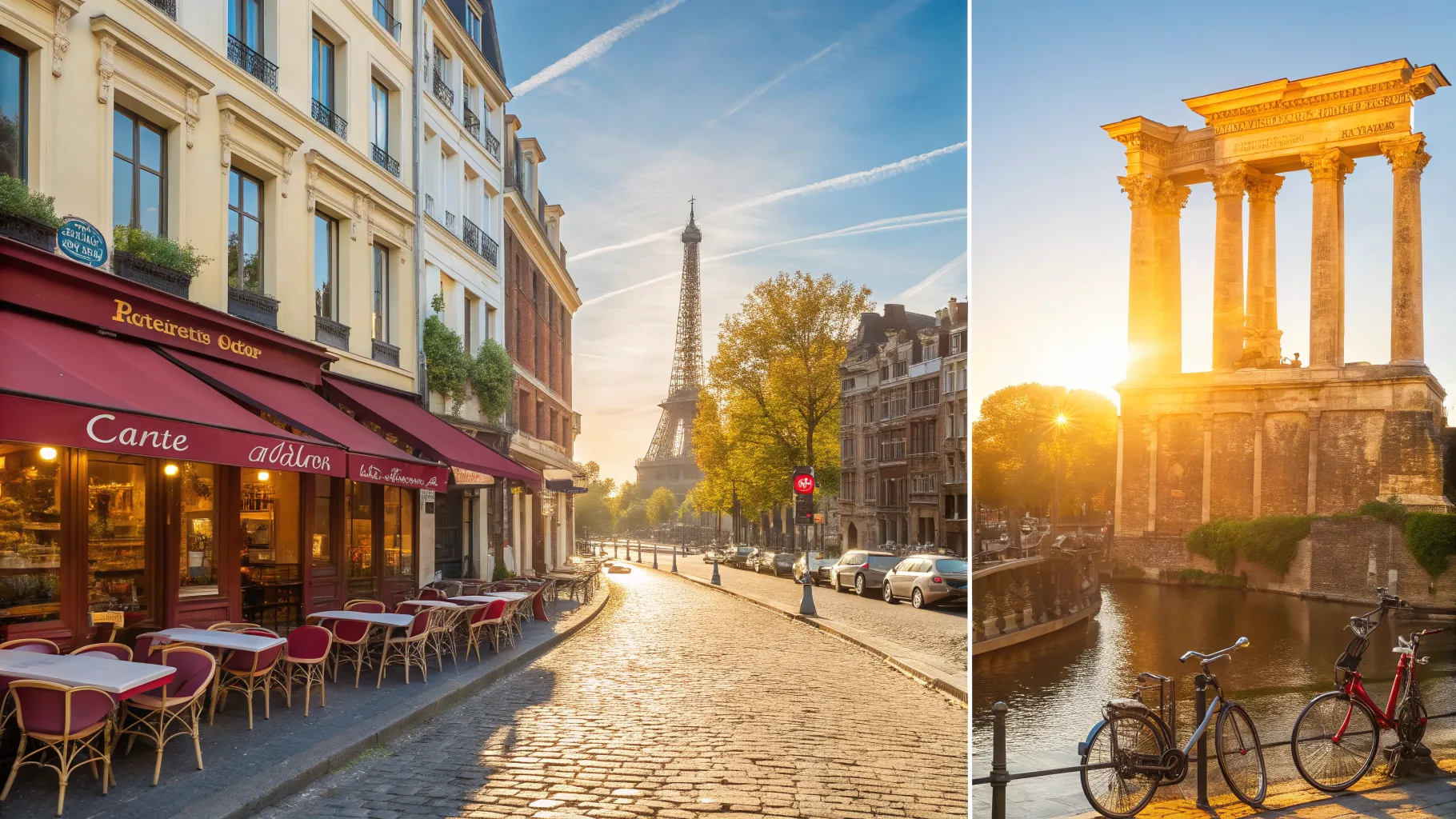
1. Paris, France
Paris remains one of the most iconic European cities to visit due to its deep historical roots and globally recognized landmarks. Visitors can spend days exploring vast art collections at the Louvre or admiring the Gothic architecture of Notre Dame Cathedral. The city is divided into distinct neighborhoods, known as arrondissements, each offering its own unique atmosphere and local flair.
When planning a trip to Paris, it is important to know that the public transportation system is highly efficient. The Metro connects almost every corner of the city, making it easy to navigate without a car. Travelers should also be aware that dining out often involves a slower pace, as meals are meant to be savored rather than rushed.
2. Rome, Italy
Rome serves as a living museum where ancient ruins stand alongside bustling modern streets. The Colosseum, the Roman Forum, and the Pantheon offer a direct glimpse into the power of the ancient Roman Empire. Exploring the city on foot reveals countless piazzas and fountains, including the famous Trevi Fountain, where visitors gather day and night.
A solid planning guide for Rome should always mention the summer heat and the crowds. Visiting during the shoulder seasons of spring or autumn provides a much more comfortable climate for sightseeing. Additionally, travelers should remember that Vatican City operates as an independent city-state within Rome, requiring its own dedicated day for exploration.
3. Barcelona, Spain
Barcelona is celebrated for its striking Mediterranean location and the distinctive architectural works of Antoni Gaudi. The unfinished Sagrada Familia and the colorful mosaics of Park Guell draw millions of visitors seeking unique visual inspiration. The city also boasts extensive sandy beaches, allowing travelers to combine urban exploration with coastal relaxation.
Navigating Barcelona is straightforward thanks to its grid-like Eixample district and well-connected transit network. It is worth noting that Catalonia has its own distinct culture and language. While Spanish is widely spoken, you will frequently see and hear Catalan, which adds a fascinating layer to the local identity.
4. Prague, Czech Republic
Prague is often described as a fairy tale destination thanks to its perfectly preserved medieval core. The Prague Castle complex dominates the skyline, while the Charles Bridge provides a picturesque pedestrian route across the Vltava River. The Old Town Square, complete with its astronomical clock, serves as a central gathering point for both locals and tourists.
For those gathering travel ideas, Prague is known for being relatively affordable compared to its Western European neighbors. However, it is essential to look out for currency exchange rates and opt for reputable ATMs rather than street-side kiosks. Walking is the best way to see the city, so comfortable shoes are an absolute necessity on the cobblestone streets.
5. Amsterdam, Netherlands
Amsterdam is famous for its elaborate canal system, historic narrow houses, and extensive cycling culture. World-class art institutions like the Rijksmuseum and the Van Gogh Museum house incredible collections that appeal to art enthusiasts from around the globe. The city feels incredibly intimate despite being a major European capital.
When considering what to know before visiting, pedestrians must pay strict attention to bicycle lanes. Cyclists have the right of way in many situations, and stepping into a bike lane without looking can be dangerous. Taking a boat tour through the canals offers a fantastic alternative perspective of the city layout.
6. Vienna, Austria
Vienna exudes elegance with its imperial palaces, grand boulevards, and historic coffee house culture. The Schonbrunn Palace and the Hofburg reflect the former wealth and power of the Habsburg monarchy. Music lovers flock to the city for its deep connections to classical composers like Mozart and Beethoven, often attending performances in beautifully ornate concert halls.
Visitors should embrace the local tradition of sitting in a traditional Viennese cafe for hours with a single cup of coffee and a slice of Sachertorte. The public transit system, consisting of trams and trains, is incredibly clean and runs on the honor system, though ticket inspections do occur frequently.
7. Budapest, Hungary
Budapest is physically divided by the Danube River, separating the hilly, historic Buda from the flat, bustling Pest. The Hungarian Parliament Building is a stunning example of neo-Gothic architecture sitting right on the riverbank. The city is also famous for its thermal baths, which have been a staple of local life since the Roman and Ottoman periods.
Travelers looking for unique evening activities will find the ruined bars in the Jewish Quarter to be a fascinating experience. These establishments are built into abandoned buildings and feature eclectic decor. Like Prague, Budapest uses its own currency, the Hungarian Forint, so visitors should plan their finances accordingly.
8. Lisbon, Portugal
Lisbon is built across seven hills overlooking the Tagus River, offering breathtaking viewpoints known locally as miradouros. The historic Alfama district is a maze of narrow streets where traditional Fado music can be heard echoing in the evenings. The city is adorned with beautiful azulejos, which are painted ceramic tiles that cover the facades of many buildings.
A practical planning guide for Lisbon must emphasize the physical demands of walking its steep streets. The historic yellow trams provide a charming way to bypass some of the toughest climbs, particularly the famous Tram 28 route. Seafood is a staple of the local diet, and visitors should not miss the chance to try traditional salted cod dishes.
9. Edinburgh, Scotland
Edinburgh offers a dramatic landscape dominated by the imposing Edinburgh Castle, which sits atop an extinct volcano. The city is split into the medieval Old Town and the Georgian New Town, both of which are recognized for their historical significance. Visitors can hike up Arthur's Seat for panoramic views of the city and the surrounding Scottish countryside.
The weather in Edinburgh is famously unpredictable, making layers and waterproof clothing essential regardless of the season. August is a particularly busy time to visit due to the annual Fringe Festival, which transforms the city into a massive hub for performing arts. Outside of festival season, the city offers a much quieter, moody atmosphere perfect for exploring.
10. Copenhagen, Denmark
Copenhagen blends historic charm with cutting-edge modern design and an unwavering commitment to sustainability. The colorful harbor of Nyhavn is perhaps the most photographed spot in the city, lined with cafes and historic wooden ships. The city is also home to Tivoli Gardens, one of the oldest operating amusement parks in the world, which offers magical seasonal displays.
Scandinavia is known for having a higher cost of living, and Copenhagen is no exception. Budgeting carefully for meals and accommodations is crucial for a stress-free trip. The city is incredibly safe and features world-class cycling infrastructure, making renting a bike one of the most authentic and efficient ways to get around.