Your Ultimate Guide to Buying Second Hand Gym Equipment
Building a home gym can be a significant investment, but buying second hand equipment offers a fantastic way to acquire high-quality gear without the hefty price tag. From free weights to cardio machines, the pre-owned market is vast and full of opportunities. This guide will walk you through everything you need to know to navigate the world of used gym equipment confidently and effectively.
Why Consider Second Hand Gym Equipment?
The most obvious benefit of buying used gym equipment is the cost savings. You can often find commercial-grade machines and high-quality weights for a fraction of their original retail price. This allows you to build a more comprehensive and durable home gym on a budget, accessing brands and models that might otherwise be unaffordable.
Beyond the financial advantages, purchasing used equipment is also an environmentally friendly choice. It gives a second life to items that might otherwise end up in a landfill, reducing waste and the demand for new manufacturing. Furthermore, commercial equipment is built to withstand constant use, meaning a well-maintained second hand piece can often be more durable than a brand new, budget-friendly residential model.
Where to Find Quality Used Gear
Finding reliable sources is the first step in your journey. While you might get lucky with a local garage sale, focusing your search on more specialized platforms will yield better results. Many different avenues exist, each with its own pros and cons regarding price, selection, and convenience.
- Online Marketplaces: Websites like Facebook Marketplace, Craigslist, and eBay are popular for local and shipped deals. They offer a huge variety, but you must be diligent in vetting both the seller and the equipment.
- Specialized Resellers: Many companies specialize in refurbishing and reselling used commercial gym equipment. They often provide warranties and delivery services, offering more peace of mind at a slightly higher price.
- Gym Liquidations: When gyms close down or upgrade their equipment, they often sell off their old inventory. These sales are excellent opportunities to get professional-grade gear at a deep discount.
- Local Classifieds and Apps: Apps like OfferUp and local newspaper classifieds can be a good source for finding deals in your immediate area, making pickup easier.
What to Inspect Before You Buy
A thorough inspection is crucial to avoid purchasing equipment that is damaged or near the end of its life. Before finalizing any purchase, take the time to check the item carefully. For any piece of equipment, look for signs of excessive rust or cracks in the frame, as these can indicate structural weakness.
For strength equipment, check for frayed cables, cracked upholstery on benches, and smooth movement in pulleys and weight stacks. If you're looking at free weights, ensure that dumbbells are secure and that barbell sleeves spin freely. For cardio machines, the inspection is more complex. You'll want to power it on and run through a few programs to test the motor, incline functions, and console display. Listen for any unusual grinding or squeaking noises that could signal internal problems.
Best Bets for Second Hand Purchases
Some types of gym equipment are inherently safer bets when buying used. These are typically items with few moving parts, making them durable and easy to assess for damage. Simple, sturdy gear is less likely to have hidden mechanical or electronic issues that could lead to costly repairs down the line.
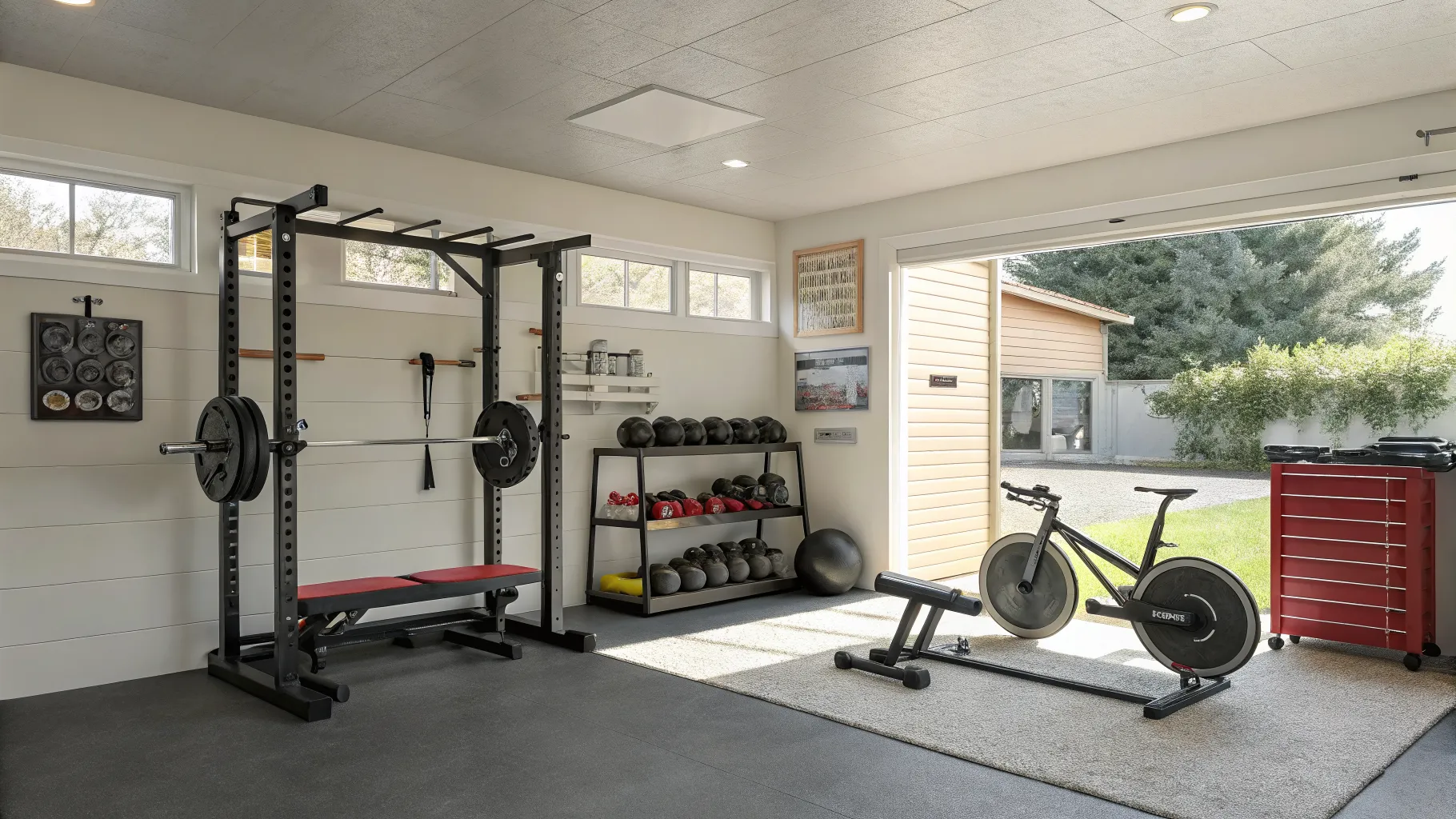
Items like dumbbells, kettlebells, weight plates, and barbells are excellent choices. As long as they aren't severely rusted or cracked, they are virtually indestructible. Power racks, squat stands, and weight benches are also great used buys; just be sure to check all welds and bolts for structural integrity. These core pieces of strength training equipment can last for decades with minimal care.
Equipment That Requires More Caution
While great deals can be found on all types of equipment, complex cardio machines carry a higher risk. Treadmills, ellipticals, and stationary bikes have many moving parts, motors, and electronic components that can wear out over time. Repairs for these machines can be expensive, and parts may be difficult to find for older models.
If you decide to buy a used cardio machine, it's vital to test it thoroughly. Run on the treadmill for at least 10-15 minutes to see if the motor overheats or if the belt slips. Check all the electronic functions on the console and test the heart rate monitor if it has one. Ask the seller about the machine's age and history of use, as a lightly used home model is a much different prospect than a retired commercial machine with thousands of hours on it.
Cleaning and Maintaining Your New-to-You Gear
Once you get your equipment home, the first step should be to clean and sanitize it thoroughly. Use a disinfectant cleaner appropriate for the material, paying close attention to surfaces like handles, seats, and pads. For metal parts, check for any surface rust and consider treating it with a rust remover and a protective coat of paint to prevent it from spreading.
Regular maintenance will extend the life of your equipment significantly. For cardio machines, this might include lubricating the belt on a treadmill or tightening the bolts on an elliptical. For strength equipment, periodically check that all nuts and bolts are secure and that cables are in good condition. A little preventative care will ensure your second hand find serves you well for years to come.