Anxiety in Seniors: Key Causes and Practical Approaches
Understanding Anxiety in Seniors: Challenges and Managing Symptoms for a Better Life
Anxiety in seniors is not just a modern phenomenon but a growing public health concern in 2025. As people live longer, older adults face unique stressors that can lead to or exacerbate anxiety conditions. With key aspects such as changing family roles, health worries, and the pressures of technological advancements, the necessity to address senior anxiety with compassion and practicality becomes paramount.
Identifying Common Anxiety Triggers Among Seniors
The golden years can often bring unprecedented challenges that trigger anxiety in seniors. One of the largest stressors is loss, whether it be a spouse, close friends, or cherished pets. Such losses can naturally lead to grief, which can blossom into deep-seated anxiety, causing the individual to worry about their solitude and future uncertainties.
Regarding health, seniors may experience heightened anxiety due to physical health concerns or fear of developing illnesses. Chronic conditions like arthritis or heart disease demand ongoing management. A study published in early 2025 indicated that nearly 35% of seniors battling chronic illnesses also suffer from anxiety disorders, illustrating a close link between physical ailments and mental health challenges.
Cognitive decline is another significant contributor to anxiety. The fear of developing Alzheimer's or other memory-related diseases can loom large, affecting the mental wellbeing of older adults. In fact, recent research suggests that about 30% of seniors with mild cognitive impairment also report anxiety symptoms.
Technology and its Impact on Senior Anxiety
Technology, despite its conveniences, can be a double-edged sword for seniors. With ever-evolving platforms and digital communications becoming the norm, seniors can feel alienated if unable to stay connected through these means. This alienation can boost feelings of anxiety, as older adults might struggle to maintain social connections in an increasingly digital world.
The Dual Roles of Health and Financial Considerations
Living with chronic health conditions places an additional burden on seniors, beyond physical discomfort. The frequent medical appointments, complex medication schedules, and potential hospitalizations can perpetuate anxiety, as a predictable daily routine becomes overshadowed by uncertainty.
Financial worries further compound anxiety in seniors. As healthcare costs continue to rise, the distress about inadequate savings is a real and significant stressor. Many seniors fear that their financial resources will dwindle, leaving them unable to cover essential expenses, resulting in financial instability that heightens anxiety.
The Importance of Social Engagement in Reducing Anxiety
Maintaining a robust social network can greatly diminish anxiety symptoms in seniors. When older adults are involved in community activities, their stress levels can decrease significantly. Data gathered from a survey presented by AARP in 2025 showed that retirees participating in community groups reported a 40% drop in anxiety symptoms, emphasizing the importance of social bonds for mental health.
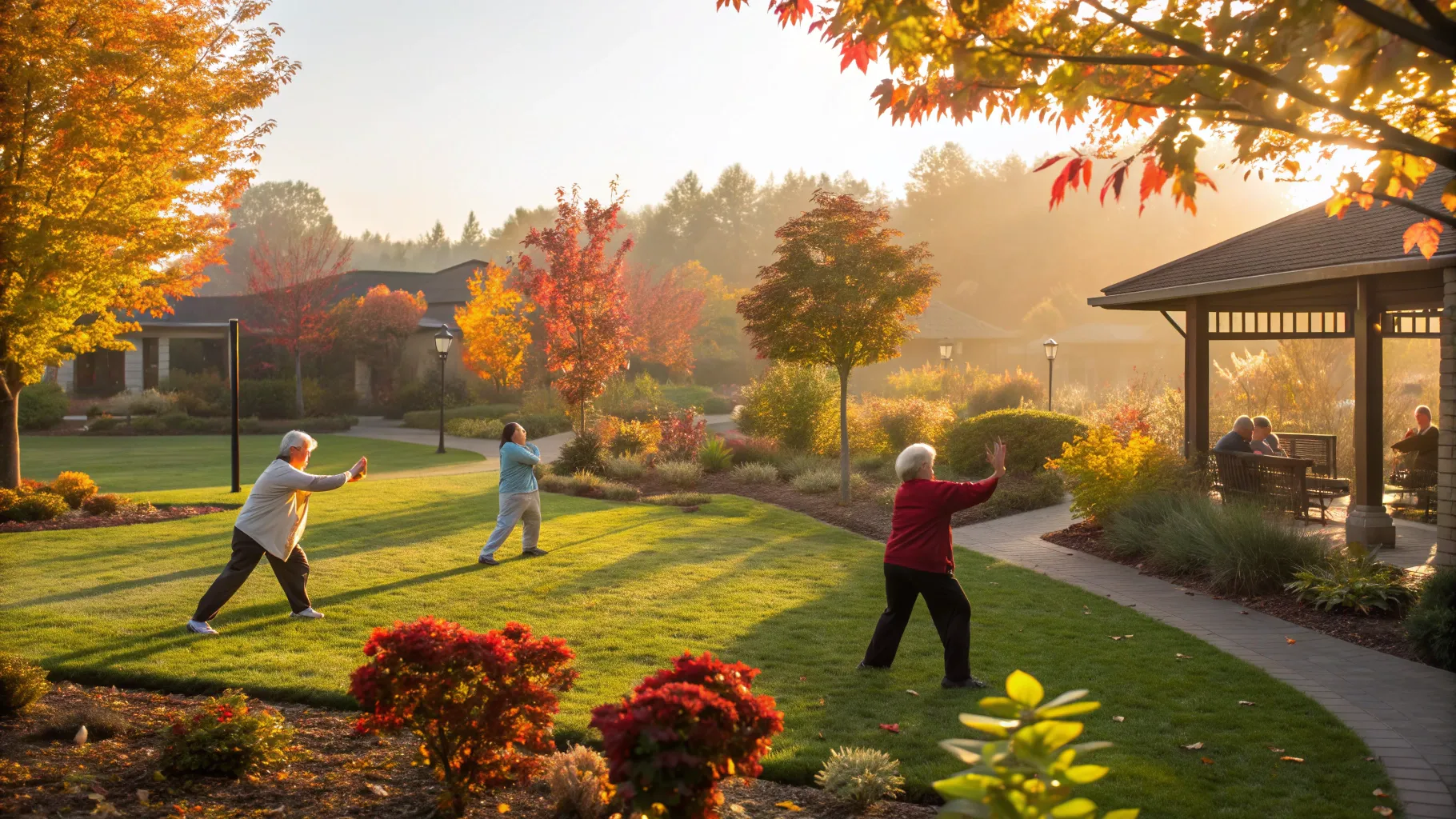
Exercise also serves as a powerful antidote to anxiety. Physical activities help improve both physical and mental health. Activities such as walking, gardening, or yoga classes specifically designed for seniors can significantly enhance mood and reduce anxiety levels.
The Environment’s Influence on Senior Anxiety
The living environment exerts substantial influence on an elderly person’s anxiety levels. Many prefer aging-in-place, cherishing the familiarity of their long-time homes. However, maintaining a large household without sufficient support can become overwhelming, raising anxiety levels.
Conversely, contemplating a move to a communal living facility can evoke stress due to fears of losing privacy and independence. Seniors may also experience introspective anxiety, pondering their life's achievements and their ongoing quest for purpose once life’s primary responsibilities, such as career and parenting, have concluded.
Support programs dedicated to senior mental wellness are more critical than ever. Community centers and mental health services now offer tailored support groups and counseling, reaching a broader audience and helping to destigmatize mental health care in the senior community.
By fostering understanding and awareness about senior anxiety, we can contribute to a society where our elders can continue to thrive, enjoy dignity, and experience fulfillment without the overwhelming shadow of anxiety.