Healthy Aging Practices for Seniors to Support Longevity
Understanding Healthy Aging Habits for Seniors and Adults
Aging is a natural process that provides valuable experience and knowledge. Although it may present certain health challenges, adopting a proactive approach to wellness can improve the overall quality of life for seniors and older adults. In 2025, incorporating healthy aging habits into everyday routines is important for supporting longevity and maintaining vitality. This article explores key practices that contribute to healthy aging.
The Importance of Balanced Nutrition for Longevity
Nourishing our bodies optimally becomes increasingly important as we age. With advancing years, our caloric needs typically decrease, but the necessity for essential nutrients remains. This shift means focusing on nutrient-dense foods rather than merely minimizing calorie intake.
- Fruits and Vegetables: Aim for a colorful plate. Incorporating at least five servings of fruits and vegetables each day provides your body with vital vitamins, minerals, and antioxidants. Recent studies highlight the benefits of a plant-rich diet in improving cognitive function and reducing chronic disease prevalence.
- Whole Grains: Opt for whole grains like oats, brown rice, and quinoa instead of refined grains. Whole grains are rich in fiber, which promotes digestive health and may lower the risk of heart disease.
- Lean Proteins: Include lean protein sources in your diet such as skinless poultry, fish, beans, and legumes. Protein is crucial for maintaining muscle mass, which can diminish with age.
- Healthy Fats: Integrate healthy fats from sources like avocados, nuts, seeds, and olive oil into your meals. These fats can potentially lower the risk of cardiovascular diseases.
Embracing a Mediterranean diet can significantly benefit older adults, offering a combination of plant-based foods, healthy fats, and moderate consumption of fish and poultry. This eating pattern has been linked to enhanced cognitive performance and overall health, making it a solid choice for seniors.
Maintaining Mobility and Flexibility with Age
Staying mobile and flexible is key to ensuring a high quality of life in later years. Regular physical activity has remarkable effects on both physical and mental well-being. According to the Centers for Disease Control and Prevention (CDC), older adults should engage in muscle-strengthening activities on at least two days of the week along with regular aerobic activity.
Here are some fantastic exercises for seniors:
- Walking: An effective cardiovascular exercise that enhances both mobility and heart health. Aim for at least 30 minutes of brisk walking five times a week to reap the benefits.
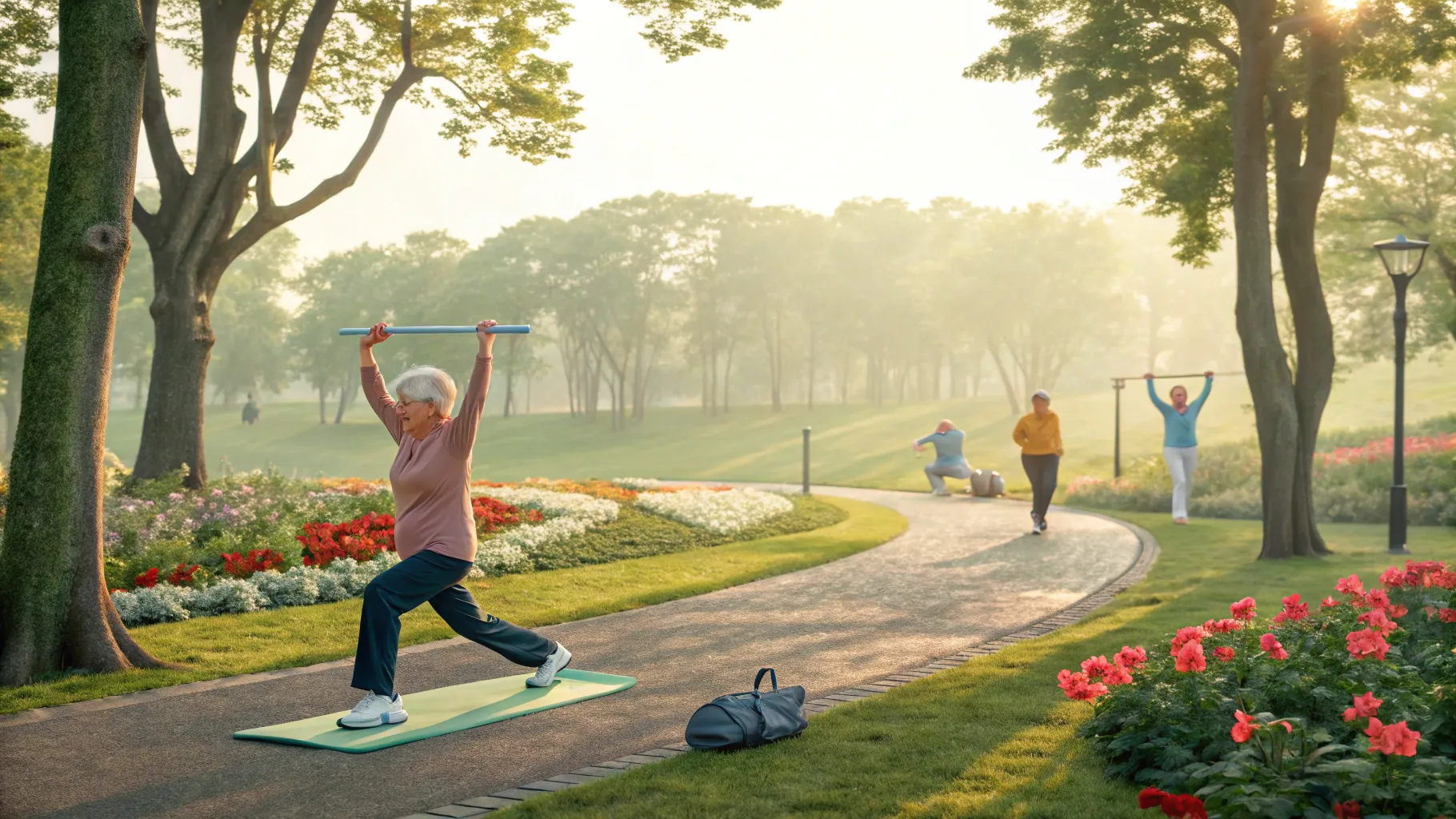
- Yoga and Tai Chi: These practices emphasize balance, flexibility, and relaxation—crucial elements for fall prevention and maintaining overall physical wellness.
- Strength Training: Even light weights or resistance bands can make a significant difference. Incorporate strength training twice weekly to foster muscle strength and support bone density.
Local community centers offer specialized classes for seniors, making staying active enjoyable and social, blending fitness with camaraderie.
Supporting Mental Health in Older Adults
Mental wellness is just as critical as physical health for seniors. Maintaining robust social connections can directly combat feelings of isolation, depression, and anxiety, often prevalent in the older population. Engaging meaningfully with family, friends, and community members is key to enhancing emotional health and overall well-being.
Here are strategies to nurture mental well-being:
- Stay Connected: Regularly engage with loved ones, whether in person or through digital means, to build relationships that elevate mood and prevent loneliness.
- Pursue Hobbies: Engaging in activities such as painting, music, gardening, or even learning a new skill keeps the mind stimulated and fosters a sense of accomplishment.
- Mindfulness and Meditation: Mindfulness practices, including meditation, can help lower anxiety levels considerably, fostering a calmer mindset.
A recent survey indicated a direct correlation between social engagement and improved mental health among seniors, illustrating social activity's importance in reducing the risks of depression and cognitive decline.
How Preventive Screenings Support Senior Health
Preventive health screenings are essential for catching potential health issues at an early stage. Routine check-ups significantly contribute to managing chronic conditions and improving health outcomes. Regularly adhering to a personalized schedule based on individual health needs can yield profound benefits.
Key screenings for older adults include:
- Blood Pressure Checks: These should be performed regularly to help prevent heart disease and strokes, which are prevalent among the older population.
- Diabetes Screening: Monitoring blood sugar levels is crucial, as high levels can lead to severe health complications. Regular screenings facilitate prompt intervention.
- Cancer Screenings: Tests like mammograms, colonoscopies, and prostate exams are vital components of early cancer detection strategies, significantly improving survival rates.
The CDC recommends working closely with healthcare providers to devise a tailored screening schedule, considering personal medical history and lifestyle choices.
Daily Exercise Habits That Support Wellness
Creating a consistent daily exercise routine is fundamental for older adults looking to maintain or improve their health. Tailoring these routines based on individual physical capabilities can enhance enjoyment and adherence to the program.
A well-balanced daily regimen might include:
- 30 minutes of steady walking or a gentle jog
- 20 minutes of strength training with light weights or resistance bands
- 15 minutes dedicated to flexibility exercises, such as stretching or yoga
Beginning with modest intensity and gradually increasing can help avert injuries and promote sustained participation in physical activity. Many find that joining group classes fosters a sense of community and motivation, making the exercise journey more enjoyable.
Healthy aging is not just about adding years to one's life but about enriching those years with vitality and joy. By embracing balanced nutrition, prioritizing mobility, nurturing mental health, undertaking preventive screenings, and establishing a cohesive exercise routine, seniors can navigate their golden years with confidence and enthusiasm. Adopting these healthy aging habits now in 2025 can significantly contribute to a rewarding, full life, allowing older adults to thrive as they age.