Understanding Colitis Symptoms and Gut Care in Seniors
A Guide to Colitis Symptoms and Management in Elderly Patients
Colitis, an inflammation of the colon, is a common condition that affects many older adults and can significantly impact their quality of life. In 2025, understanding the symptoms of colitis is important for timely diagnosis and management. Typical symptoms include persistent abdominal pain, frequent diarrhea, and bloating, which can interfere with daily routines. Studies indicate that approximately 7 to 10 percent of seniors may experience colitis at some point in their lives.
Older adults may face specific challenges with colitis because its symptoms can resemble other gastrointestinal disorders, such as irritable bowel syndrome (IBS) or other inflammatory bowel diseases (IBD). This similarity can make diagnosis difficult, potentially leading to delayed or inappropriate treatment. For seniors experiencing digestive symptoms, consulting healthcare professionals is crucial to obtain an accurate diagnosis and receive suitable care.
Recognizing Early Signs and Symptoms of Colitis
Timely intervention can significantly enhance outcomes for seniors suffering from colitis. Recognizing early signs such as:
- Frequent loose stools accompanied by urgency
- Persistent abdominal cramps that feel severe
- Bloating, accompanied by gas or flatulence
- Unexplained weight loss that raises alarm
- Unusual fatigue or noticeable weakness
- Fever, night sweats, or other signs of systemic inflammation
Being aware of these signs allows for prompt medical evaluation, ideally preventing severe flare-ups. Recent research indicates that seniors who actively manage their colitis can reduce hospitalization rates by as much as 30%, leading to improved overall quality of life. Understanding symptoms is a community effort, requiring vigilance from both individuals and their support networks.
The Impact of Digestive Health on Seniors
Digestive health in older adults has gained considerable attention, especially regarding how aging affects digestion. Research in 2025 shows that as the body ages, the digestive system often deteriorates in efficiency. Factors such as reduced saliva production, decreased gastric acid, and slower gut motility contribute to increased susceptibility to colitis and related disorders. Furthermore, many older adults are prescribed medications, such as nonsteroidal anti-inflammatory drugs (NSAIDs), which can exacerbate digestive issues due to their side effects.
Maintaining an open dialogue with healthcare practitioners about medication management is essential. For instance, some seniors may need alternative pain relief methods that do not pose a high risk of gastrointestinal complications. Regular check-ups allow for better monitoring and adjustments, which can lead to improved overall health.
Dietary Choices to Support Gut Health
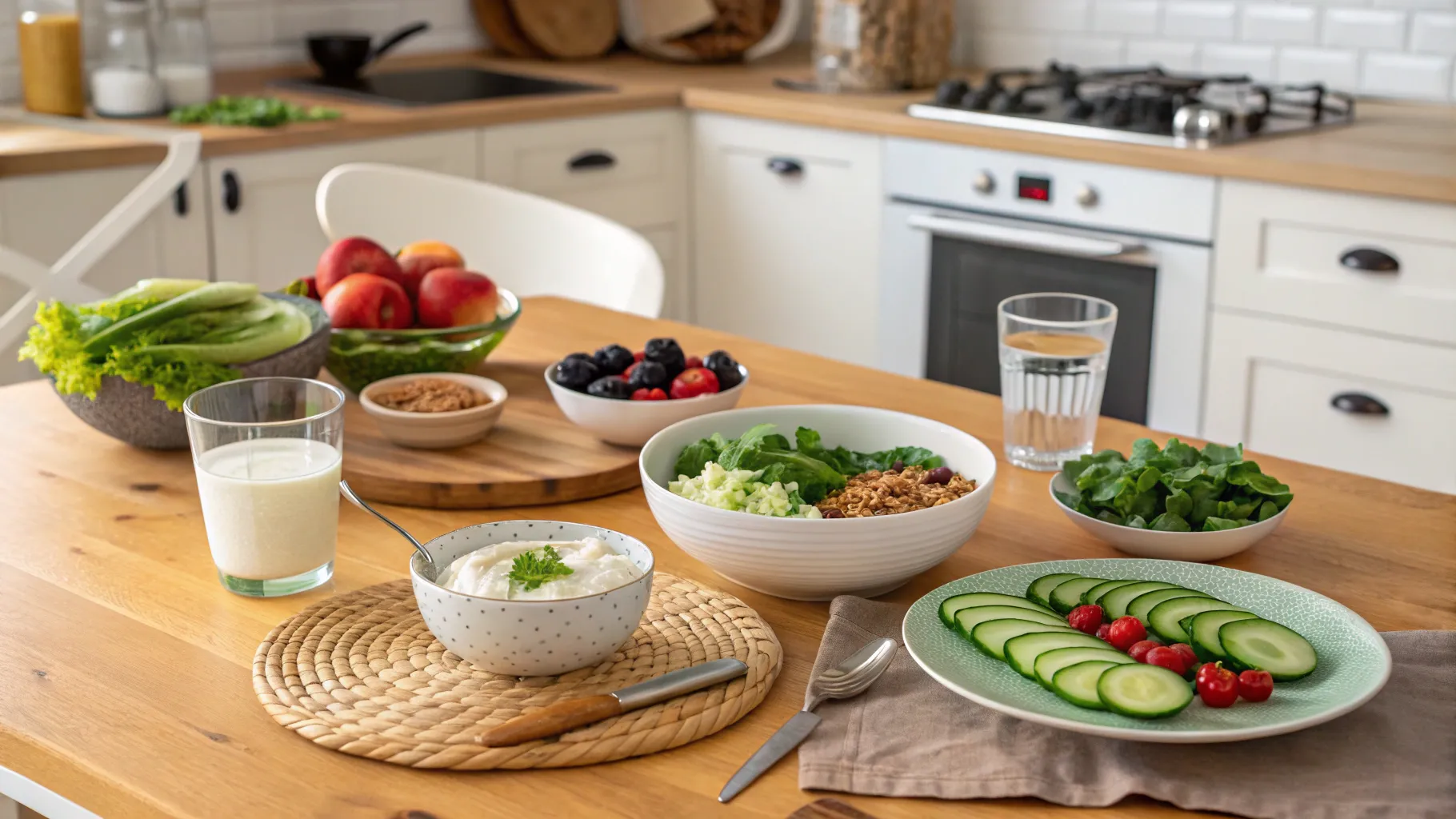
Diet profoundly influences the management of colitis symptoms. A balanced diet featuring high fiber, lean proteins, and healthy fats can help alleviate symptoms and promote healing. For seniors managing colitis, consider the following dietary recommendations:
- Increase Fiber Intake: Opt for whole grains, fruits, and vegetables, which can help maintain bowel regularity and overall gut health.
- Stay Hydrated: Current guidelines recommend that seniors drink at least eight glasses of water daily. Increased hydration is particularly crucial if diarrhea disrupts normal fluid balance.
- Avoid Trigger Foods: Many seniors report that dairy products, spicy foods, and heavily processed items can trigger their colitis symptoms.
- Incorporate Probiotics: Consider adding fermented foods like yogurt, kefir, or kimchi into daily meals. These can help restore gut flora.
- Balanced Meals: Focus on meals rich in essential nutrients to support overall health. This prevents complications related to lactose intolerance that often affects older adults.
These dietary adjustments can significantly support gut comfort, promoting a higher quality of life for older individuals.
Natural Strategies to Alleviate Inflammation
For seniors struggling with colitis, managing inflammation is paramount. While over-the-counter medications may offer relief, natural solutions also matter. Implementing natural remedies can aid in reducing inflammation in the gut:
- Omega-3 Fatty Acids: Found in fish oils and flaxseeds, omega-3s are known for their anti-inflammatory benefits.
- Curcumin: The active ingredient in turmeric, curcumin, has been supported by recent studies for its potential to significantly reduce gut inflammation.
- Managing Stress: Psychological stress can worsen colitis. Engaging in stress-reducing practices such as yoga, meditation, or even simple deep-breathing exercises can prove beneficial.
- Regular Physical Activity: Gentle workouts like walking or swimming not only improve overall fitness but can also aid digestion and help reduce inflammation.
Incorporating these everyday practices not only manages colitis more effectively but also promotes general health among seniors.
The Essential Role of Hydration in Digestive Health
Staying hydrated has never been more critical for seniors, particularly those experiencing symptoms of colitis. Dehydration can occur quickly when diarrhea sets in, leading to severe complications. Adequate hydration supports digestion, nutrient absorption, and the maintenance of mucosal integrity in the intestines, minimizing the risk of further complications.
Studies indicate that seniors who prioritize hydration often report fewer digestive complaints and a decreased likelihood of hospitalization related to gastrointestinal issues. Incorporating hydration strategies can include drinking water, herbal teas, or electrolyte-rich beverages, especially during periods of digestive distress. In 2025, fostering these habits has proven to be effective in enhancing overall well-being.