Stunning Yard Landscaping Ideas for a Beautiful Outdoor Space
Facts:
- Native plants can reduce water usage by over 50%.
- Outdoor living spaces are a top trend for yard landscaping ideas.
Transform Your Outdoor Space with These Landscaping Ideas
Embarking on a landscaping project can feel daunting, but with the right yard landscaping ideas and a clear vision, you can create an outdoor oasis that enhances your home's beauty and your quality of life. Whether you're looking for simple updates or a complete overhaul, exploring various concepts is the first step. This guide offers a wealth of landscaping inspiration to help you design functional and aesthetically pleasing outdoor areas, covering everything from curb appeal to private backyard retreats. We will delve into different styles, plant choices, and hardscaping elements to spark your creativity and provide practical advice for your next project.
Front Yard Landscaping Ideas to Boost Curb Appeal
The front yard is your home's first impression, and thoughtful landscaping can dramatically increase its curb appeal. Effective front and backyard landscaping begins with a cohesive plan that complements your home's architecture. One of the most impactful yard improvement ideas is creating layered planting beds. This technique involves using plants of varying heights, textures, and colors to create depth and visual interest. Start with taller shrubs or ornamental trees at the back, followed by medium-sized perennials, and finish with low-growing ground cover or annuals at the front. Another key element is a well-defined walkway. Instead of a simple concrete path, consider using pavers, flagstone, or brick to create an elegant and inviting entrance. Lining the walkway with low-maintenance plants like lavender or boxwood adds a touch of sophistication. These outdoor landscaping designs not only look beautiful but also guide visitors to your front door.
Creative Backyard Landscaping for Relaxation and Entertainment
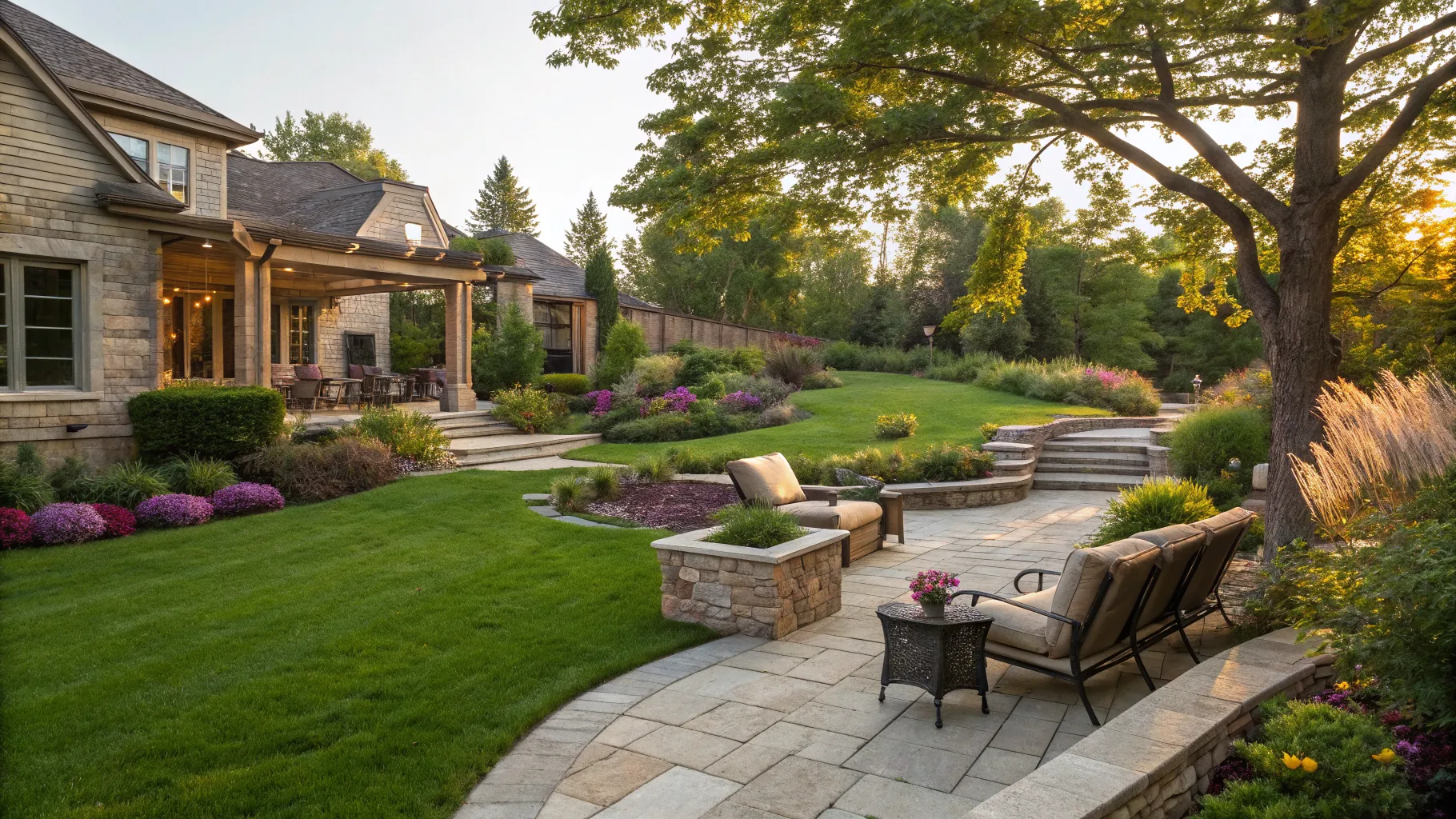
Your backyard should be a personal sanctuary for relaxation and a functional space for entertaining guests. The possibilities for outdoor landscaping designs in the backyard are nearly endless. A popular trend is the creation of outdoor 'rooms.' You can define different zones for dining, lounging, and playing. A paver patio or wooden deck can serve as the foundation for your dining and lounging area, complete with comfortable furniture and perhaps a fire pit or outdoor fireplace. For a touch of tranquility, consider adding a water feature like a small pond, fountain, or waterfall. The sound of running water is incredibly relaxing and can help mask neighborhood noise. For those who love to cook and entertain, an outdoor kitchen is a fantastic addition. These yard improvement ideas can range from a simple built-in grill station to a fully equipped kitchen with a sink, refrigerator, and counter space. Surrounding these areas with lush plantings provides privacy and enhances the atmosphere.
Sustainable and Low-Maintenance Landscaping Inspiration
For many homeowners, the idea of a high-maintenance yard is a major drawback. Fortunately, there is plenty of landscaping inspiration that focuses on sustainability and ease of care. Xeriscaping, or designing a landscape that requires little to no irrigation, is an excellent option, especially in drier climates. This approach uses drought-tolerant native plants, rocks, mulch, and hardscaping to create a beautiful and water-wise garden. Incorporating native plants is a cornerstone of sustainable yard landscaping ideas. These plants are adapted to your local climate, soil, and rainfall patterns, meaning they require less water, fertilizer, and pest control than non-native species. They also provide vital food and habitat for local wildlife. Another low-maintenance idea is to replace part of your traditional lawn with ground covers, ornamental grasses, or a wildflower meadow. This reduces mowing time and water consumption while adding unique texture and color to your landscape.
Choosing the Right Plants and Materials for Your Design
The success of your outdoor landscaping designs hinges on selecting the right plants and materials. When it comes to plants, consider your climate zone, soil type, and the amount of sun or shade each area of your yard receives. A mix of evergreens, deciduous trees, shrubs, perennials, and annuals will provide year-round interest. Perennials, which come back year after year, are a great investment for long-term color, while annuals offer a chance to experiment with new hues each season. For hardscaping—the non-living elements like patios, walkways, and walls—the material choice impacts both aesthetics and durability. Natural stone like flagstone or slate offers a timeless, rustic look but can be more expensive. Concrete pavers are a versatile and cost-effective alternative, available in countless shapes, colors, and textures. Wood decking adds warmth and is ideal for creating raised living areas, but requires regular maintenance. Carefully considering these elements is crucial for successful front and backyard landscaping.
Actionable Steps for Your Yard Improvement Ideas
Transforming your yard landscaping ideas from concept to reality requires a structured approach. Following a clear plan will ensure your project stays on track and within budget. Here are some actionable steps to get you started:
- Define Your Vision and Budget: Before you start digging, create a detailed plan. Sketch out your ideas, gather landscaping inspiration from magazines or online, and decide how you want to use the space. Establish a realistic budget that covers plants, materials, tools, and potential labor costs.
- Assess Your Site: Understand your yard's conditions. Note areas of sun and shade throughout the day, identify your soil type (e.g., clay, sandy, loam), and check for drainage issues. This information is critical for selecting plants that will thrive in your specific environment.
- Start with Hardscaping: Install non-living features first. This includes patios, decks, walkways, retaining walls, and irrigation systems. It's much easier to build these structures without having to work around delicate new plants. This is a foundational step in many outdoor landscaping designs.
- Planting and Mulching: Once the hardscaping is complete, you can begin adding the plants. Start with larger items like trees and shrubs, then move on to perennials and ground covers. After planting, apply a layer of mulch to retain soil moisture, suppress weeds, and give your garden beds a finished look. This is one of the most rewarding yard improvement ideas.
Frequently Asked Questions
How do I start planning my yard landscaping ideas?
Begin by assessing your needs and wants. Think about how you want to use the space—for relaxing, entertaining, gardening, or play. Gather landscaping inspiration online and create a rough sketch of your ideal layout. It's also wise to set a clear budget before you begin purchasing materials.
What are some good low-maintenance outdoor landscaping designs?
Low-maintenance designs often feature drought-tolerant native plants, extensive use of mulch to reduce weeds, and hardscaping elements like patios or gravel paths instead of large lawns. Grouping plants with similar water needs and installing a drip irrigation system can also significantly reduce upkeep for your yard improvement ideas.
How can I make my small yard look bigger?
To create the illusion of more space, use vertical elements like trellises or tall, narrow plants. Create curved pathways instead of straight ones to make the journey through the garden seem longer. Using a limited color palette and placing plants with finer textures in the background can also create a sense of depth in your front and backyard landscaping plan.
References
- National Association of Landscape Professionals
- American Society of Landscape Architects
- University Extension Horticultural Guides
- Local Botanical Garden Publications