Winter Skin Care for Adults Over 50 Essential Tips
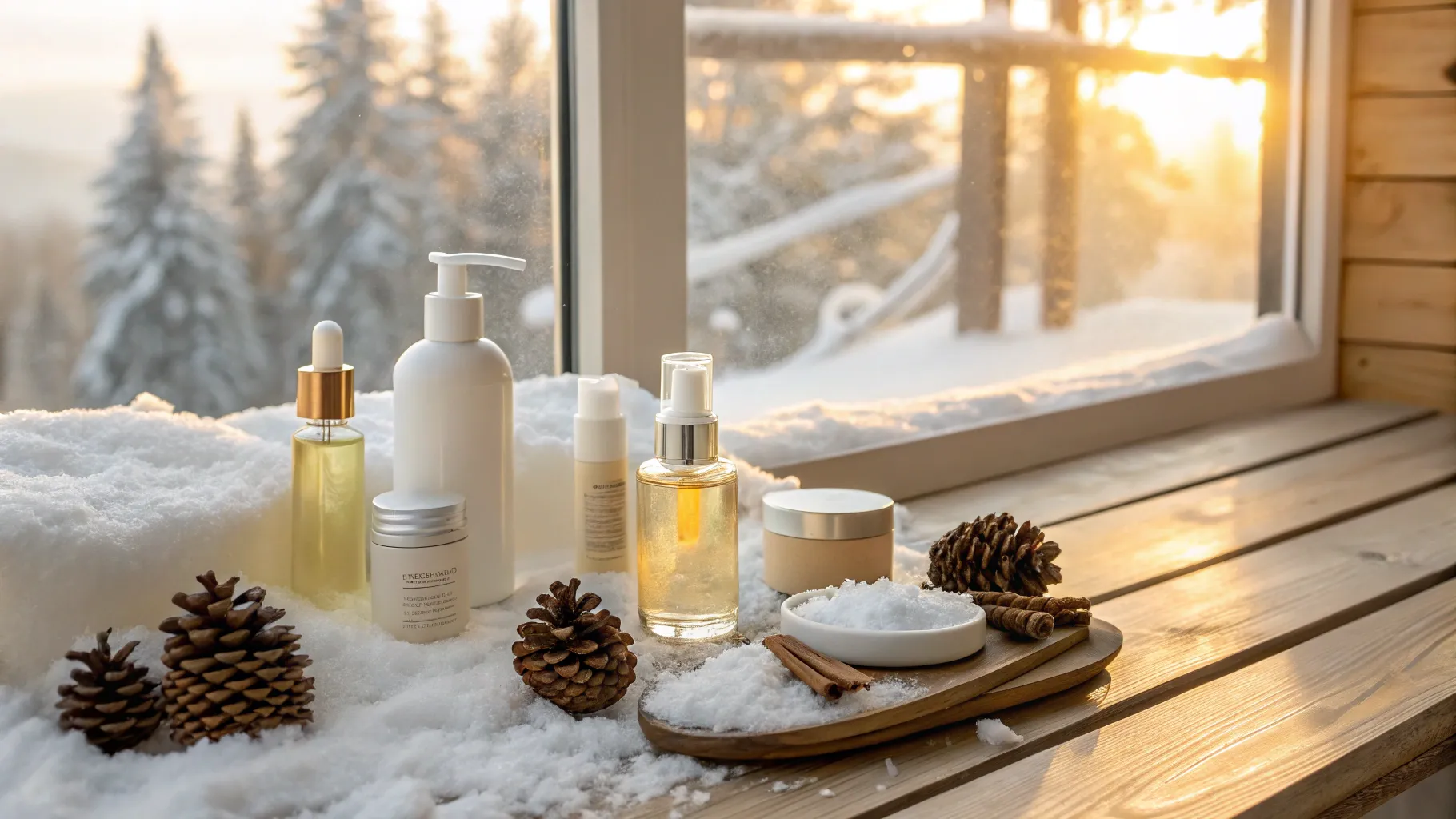
Winter Skin Care Basics for Adults Over 50
As winter settles in, adults over 50 often find themselves grappling with a range of skin care challenges. The cold and dry winter air can lead to skin that feels tight, appears dull, and is prone to irritation. This makes understanding winter skin care basics especially essential for seniors aiming to maintain healthy, hydrated skin throughout the season. Let’s delve into effective strategies for skin hydration and how to create a winter routine that addresses the unique needs of aging skin.
Understanding Seasonal Skin Dryness
The onset of winter is marked by decreased humidity levels, which pose a significant concern for older adults. New studies reveal that up to 60% of adults over 50 report experiencing chronic skin dryness during the winter months. Skin naturally loses moisture as we age, and the harsh environmental changes only exacerbate this issue. Without moisture, skin can become dry, flaky, and even cracked, which can lead to discomfort and exacerbate age-related skin concerns.
The combination of cold outdoor temperatures and warm indoor heating creates a perfect storm for dry skin. When skin's natural oil production declines, it becomes less effective at retaining moisture. Therefore, having a personalized winter skin care routine is not just beneficial but essential for maintaining skin health in the winter months.
Essential Winter Skin Care Steps
1. Gentle Cleansing
Gentle cleansing is the first step in any effective winter skin routine. Harsh soaps can strip the skin's natural oils, leading to increased dryness and irritation. Opt for creamy, hydrating cleansers designed to nourish dry skin. Look for ingredients such as glycerin or hyaluronic acid, which not only cleanse but also help maintain skin’s moisture barrier. For instance, a nourishing cleanser can clean your skin thoroughly while ensuring it remains hydrated, setting the stage for optimal moisture retention.
2. Exfoliation
While exfoliation is vital to rid the skin of dead cells, it's important to do so cautiously during colder months. Gentle exfoliants that contain mild ingredients can keep skin glowing without causing irritation. Aim for exfoliating just once or twice a week, which is usually adequate to maintain a smooth complexion. A recent poll conducted among dermatologists indicated that seniors who regularly exfoliate notice improved texture and receptiveness to moisturizers.
3. Deep Hydration
Moisturizing is paramount after cleansing. Select a rich moisturizer that contains beneficial ingredients tailored for mature skin, such as ceramides, which help restore the skin barrier and lock in moisture. In 2025, products enriched with plant oils, vitamins, and peptides are trending, offering emollients that combat winter dryness. For extremely dry days, consider layering thicker creams or overnight masks to keep your skin nourished.
4. Layering Techniques
Employing layering techniques can maximize hydration levels. After applying your moisturizer, consider using facial oils or balms as a final protective layer. Oils like argan or jojoba help prevent transepidermal water loss by sealing in moisture effectively. This method has gained popularity among older adults, with many reporting softer skin and a reduction in dryness.
5. Regular Use of Sunscreen
It’s crucial not to skip sunscreen during winter. Ultraviolet rays can penetrate clouds and reflect off surfaces, damaging skin even on cloudy days. The recommendation is to use a broad-spectrum sunscreen with an SPF of 30 or higher daily. Look for moisturizing formulas that provide added hydration alongside sun protection.
Implementing Soft Skin Habits
Creating soft skin habits can enhance your winter skin routine. Stay hydrated by drinking ample water throughout the day; dermatologists suggest aiming for at least eight glasses during the winter. The importance of internal hydration cannot be overstated; it directly impacts skin moisture levels. Many individuals have reported noticeable improvements in their skin texture by simply increasing their water intake.
Another practical step is to invest in a humidifier for your home. This tool can significantly boost indoor humidity levels, benefitting both your skin and overall health. Users report that after a few weeks of using a humidifier, they notice softer skin and improved respiratory comfort, particularly during winter.
The Role of Nutrition in Skin Health
What goes into your body directly affects your skin's appearance. Focus on incorporating foods rich in omega-3 fatty acids, like fish, walnuts, and flaxseeds, which boost skin moisture and elasticity. An antioxidant-rich diet is equally important; foods like berries, nuts, and leafy greens help combat free radicals known to accelerate skin aging. Additionally, incorporating colorful fruits and vegetables like carrots and sweet potatoes, packed with beta-carotene, can contribute to skin health, making it glow even in the driest months.
Staying Consistent with Your Winter Skin Routine
Consistency in your skin care routine is vital—make it a daily ritual. Dedicate time each morning and evening to cleanse, moisturize, and protect your skin. Many individuals report that by sticking to their routines, they achieve greater overall benefits for their skin. A multifaceted approach, prioritizing gentle cleansing, deep hydration, and sun protection, fortifies your skin's barrier, ensuring it's resilient against winter's harsh elements.
Recent studies highlight that maintaining daily skin care routines can significantly improve the appearance and health of aging skin. By prioritizing hydration and adapting your skin care habits, you can achieve and maintain soft, beautiful skin all winter long. So embrace these winter skin care basics tailored for seniors, and enjoy the comfort and health of well-nourished skin.