The Ultimate Winter Essentials Shopping Guide for 2025
Facts:
- Layering clothes correctly is crucial for winter warmth.
- Sustainable thermal wear is a growing trend for winter shoppers.
Mastering Your Winter Essentials Shopping Guide: A Definitive Checklist
As the temperatures drop and days grow shorter, having the right gear becomes non-negotiable. This comprehensive winter essentials shopping guide is designed to navigate you through the crucial purchases that make the season not just bearable, but enjoyable. From foundational layers to emergency kits, we will cover all the cold weather essentials you need. Preparing in advance ensures you are not caught off guard by the first frost, making your understanding of winter essentials paramount for comfort and safety.
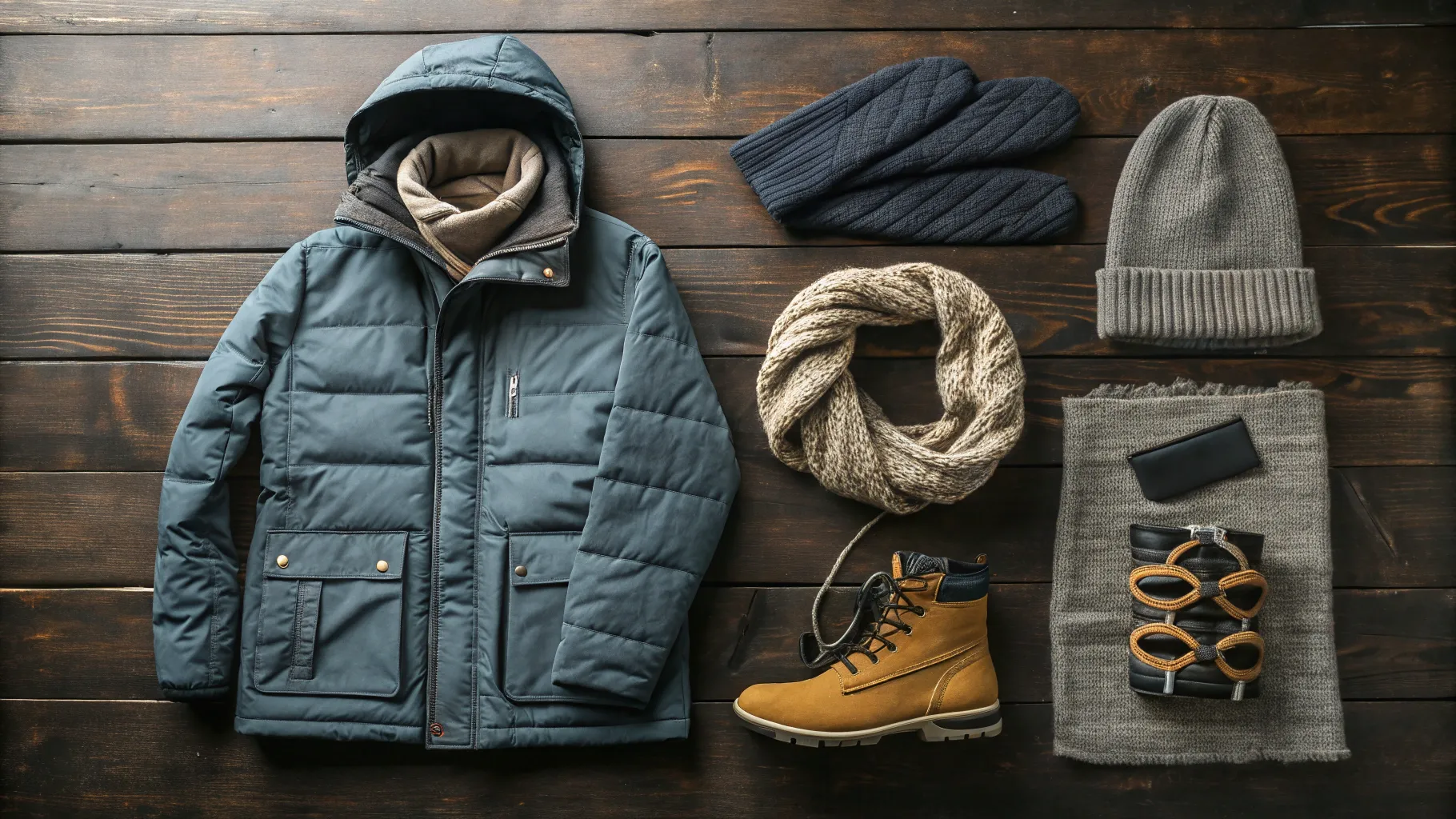
The Core Wardrobe: Must-Have Cold Weather Essentials
Building a functional winter wardrobe starts from the inside out. The principle of layering is the most effective strategy to combat the cold, allowing you to adapt to changing temperatures between the outdoors and indoors. Each layer has a specific purpose, and investing in quality pieces is a key part of any successful winter essentials shopping guide. These are not just clothes; they are your personal climate control system.
Insulated Outerwear: Your First Line of Defense
Your outermost layer is the most critical barrier against wind, snow, and rain. A high-quality insulated and waterproof or water-resistant jacket is a cornerstone of your winter essentials. Look for options with down or synthetic fill for insulation. Down offers superior warmth-to-weight ratio, but synthetic insulation performs better when damp. Features like a hood, adjustable cuffs, and a storm flap over the zipper provide extra protection against harsh elements. This is one of the most important seasonal winter items to invest in.
Base Layers: The Secret to Staying Warm
Often overlooked, the base layer is what you wear closest to your skin. Its primary job is to wick moisture away, keeping you dry and warm. Cotton should be avoided as it retains moisture. Instead, opt for materials like merino wool or synthetic fabrics (polyester, nylon). Merino wool is an excellent choice as it is naturally moisture-wicking, breathable, and odor-resistant, making it a top recommendation in any list of cold weather essentials.
Mid-Layers: Versatility and Insulation
The mid-layer is your insulating layer, trapping body heat to keep you warm. Fleece jackets, wool sweaters, or down vests are popular choices. The thickness and material you choose will depend on the temperature and your activity level. Fleece is lightweight, breathable, and insulates even when wet. A good mid-layer is a versatile piece that can be worn on its own during milder days, solidifying its place among crucial winter essentials.
Essential Accessories for Complete Winter Protection
While the core wardrobe provides the foundation, accessories protect the parts of your body most susceptible to heat loss. Your head, hands, and feet require special attention. Neglecting these areas can undermine the effectiveness of your other layers, so a thorough winter essentials shopping guide must emphasize their importance. These smaller seasonal winter items make a massive difference in overall comfort.
Hats, Gloves, and Scarves
A significant amount of body heat is lost through an uncovered head. A warm hat, or beanie, made from wool or fleece is essential. For your hands, choose insulated and waterproof gloves or mittens. Mittens are generally warmer as they keep your fingers together. A scarf or neck gaiter protects your neck and can be pulled up over your face for added protection against biting winds, completing your set of personal cold weather essentials.
Beyond Clothing: Home and Vehicle Winter Preparedness Basics
True winter readiness extends beyond your closet. Your home and vehicle also need to be equipped to handle severe weather. These winter preparedness basics are about safety and ensuring you can handle power outages or being stranded. Having an emergency plan and the right supplies is a critical aspect of managing the season safely. These are not just suggestions; they are fundamental winter preparedness basics.
For your home, stock up on warm blankets, non-perishable food, water, flashlights, and batteries. For your vehicle, an emergency kit is a must-have. It should include a blanket, an ice scraper, a small shovel, jumper cables, sand or cat litter for traction, and a first-aid kit. Checking your car's battery, tires, and antifreeze levels before the first major storm is a crucial step in your winter preparedness basics.
Choosing the Right Seasonal Winter Items for Your Climate
Not all winters are created equal. The winter essentials you need in a mild climate are vastly different from those required for a region with heavy snowfall and sub-zero temperatures. Your winter essentials shopping guide must be tailored to your specific environment. For milder winters, a lighter insulated jacket and waterproof layers might suffice. For arctic conditions, you’ll need to invest in expedition-weight outerwear, heavy-duty insulated boots, and serious thermal base layers. Always research the typical weather patterns in your area to make informed decisions when shopping for seasonal winter items.
Smart Shopping Strategies for Your Winter Essentials
Acquiring all your winter essentials can be an investment, but smart shopping can help you get the best value without compromising on quality. Planning your purchases is key.
- Shop Off-Season: You can find the best deals on seasonal winter items during end-of-season sales in late winter or spring. Planning ahead can save you a significant amount of money.
- Invest in Quality Over Quantity: High-quality cold weather essentials will last for many years, offering better performance and long-term value. Focus on durable materials and reputable brands known for their winter gear.
- Check Material Labels Carefully: Understand the properties of different materials like merino wool, down, and Gore-Tex. This knowledge will help you select items that best fit your needs, which is the entire goal of a good winter essentials shopping guide.
Frequently Asked Questions
What are the absolute must-have winter essentials for a minimalist?
A minimalist should focus on high-quality, versatile pieces. This includes one excellent insulated, waterproof jacket, a set of merino wool base layers, a fleece or wool mid-layer, waterproof boots, and a set of quality accessories (hat, gloves, scarf). These core items can be mixed and matched to handle most winter conditions.
How often should I replace my cold weather essentials?
The lifespan of your winter gear depends on its quality, how often you use it, and how well you care for it. A quality winter coat can last 5-10 years or more. Boots may need replacing every few seasons, especially if worn daily in harsh conditions. Base layers and accessories should be replaced when they show signs of wear, like losing their shape or elasticity.
References
- Apparel Industry Climate Reports
- Consumer Buying Guides for Outdoor Gear
- National Weather Service Winter Preparedness Guidelines
- Textile and Material Science Journals