Why Sleep Is Worse in Winter: Uncovering the Causes and How to Fix It
Facts:
- Melatonin, the sleep hormone, can increase significantly in winter.
- Seasonal Affective Disorder (SAD) is a major contributor to winter sleep problems.
Unpacking the Winter Blues: Why Your Sleep Suffers When It's Cold
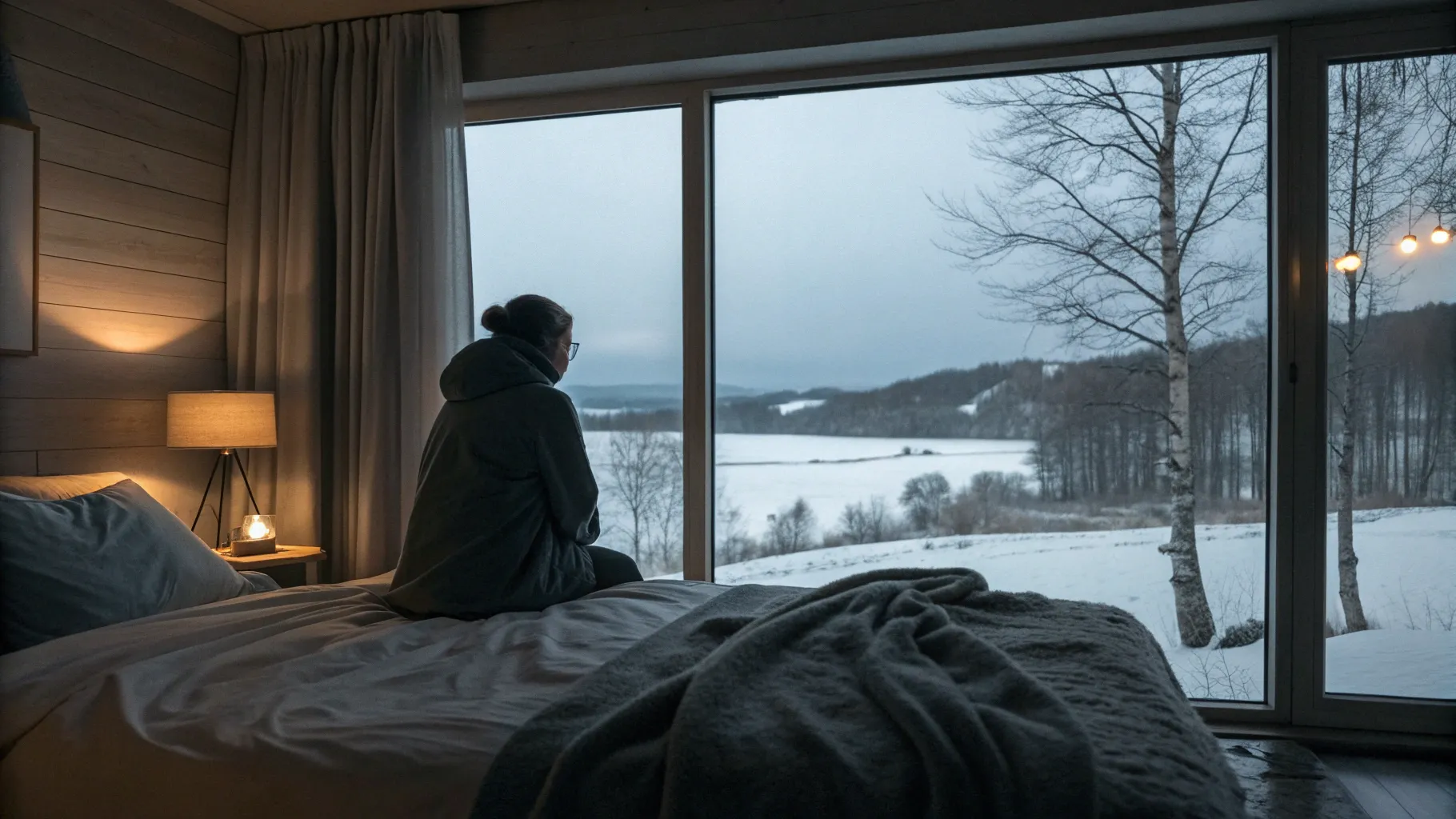
As the days grow shorter and a chill fills the air, many of us feel a primal urge to hibernate. Yet, paradoxically, achieving a restful night's sleep can become incredibly difficult. If you've found yourself struggling with exhaustion despite spending more time indoors, you're not alone. The phenomenon of disturbed rest during this season is a widespread issue, and understanding why sleep is worse in winter is the first step toward reclaiming your nights. This isn't just about feeling a bit more tired; it's a complex interplay of physiological, environmental, and psychological factors that leads to significant winter sleep problems and disrupts our well-being when we need quality rest the most.
The Circadian Disruption: How Darkness Wreaks Havoc on Your Internal Clock
Our bodies operate on a finely tuned 24-hour internal clock known as the circadian rhythm, which is heavily influenced by light exposure. The drastic reduction in natural sunlight during winter is one of the primary winter insomnia causes. When you wake up in the dark and come home from work in the dark, your body's clock gets confused. This lack of morning light fails to send the strong 'wake-up' signal to your brain that suppresses melatonin production. Consequently, you might feel groggy all day, and your body may continue producing melatonin at inappropriate times, leading to a feeling of persistent fatigue and making it harder to fall asleep at night. This ongoing desynchronization is a core reason for poor sleep during winter months and can leave you feeling perpetually jet-lagged.
Behavioral Saboteurs: How Winter Habits Impact Your Rest
The cold weather naturally changes our daily routines, and these shifts can inadvertently sabotage our sleep. For instance, physical activity often decreases as we're less inclined to venture outside for a walk, run, or bike ride. Exercise is a powerful sleep regulator, and its absence can contribute to winter sleep problems. Furthermore, our diet tends to shift towards heavier, carbohydrate-rich 'comfort foods'. While warming, these meals can cause blood sugar spikes and crashes, and eating them too close to bedtime can lead to indigestion and disrupted sleep. We also spend more time indoors under artificial lighting, which can further confuse our circadian rhythm, making it difficult for our brains to distinguish between day and night. It is crucial for understanding why sleep is worse in winter to recognize how these subtle lifestyle changes accumulate and negatively affect our ability to rest.
The Psychological Toll: Mental Health and Winter Slumber
Winter's impact isn't just physical; it's deeply psychological. For many, the reduced sunlight can trigger Seasonal Affective Disorder (SAD), a type of depression characterized by low mood, lethargy, and, critically, sleep disturbances—either hypersomnia (oversleeping) or insomnia. This condition is one of the most significant winter insomnia causes. Beyond SAD, the general gloom and cold can lead to lower moods and increased anxiety for many people. The holiday season, while festive, can also bring a wave of stress, financial pressure, and social obligations that weigh on the mind and make it difficult to relax into a peaceful sleep. This mental and emotional burden directly contributes to the experience of poor sleep during winter months.
Your Winter Sleep Rescue Plan: Practical Steps for Better Rest
While it may seem that the odds are stacked against you, there are powerful, proactive steps you can take to combat poor sleep during winter months and improve your rest. The key is to consciously counteract the environmental and behavioral shifts that the season imposes. Here are some actionable strategies:
- Maximize Light Exposure: Make it a priority to get at least 15-30 minutes of natural sunlight first thing in the morning. Open your curtains immediately upon waking, or consider investing in a light therapy lamp (SAD lamp) to simulate sunrise and help reset your circadian rhythm.
- Maintain a Consistent Schedule: Go to bed and wake up at the same time every day, even on weekends. This is the single most effective way to stabilize your internal clock and fight back against the common problem of why sleep is worse in winter.
- Stay Active: Incorporate regular physical activity into your daily routine. Even indoor workouts like yoga, a home exercise video, or a gym session can significantly improve sleep depth and duration. Avoid intense exercise within three hours of bedtime.
- Create a Sleep Sanctuary: Optimize your bedroom for rest. Keep it cool, dark, and quiet. The contrast between a cool room and warm bedding promotes sleep. Avoid using electronic devices with blue-light-emitting screens at least an hour before bed.
- Watch Your Diet: Avoid heavy meals, excessive caffeine, and alcohol close to bedtime. Opt for a light, healthy snack if you're hungry, and consider warm, non-caffeinated herbal tea to help you wind down.
Frequently Asked Questions
Why are winter sleep problems so common?
Winter sleep problems are common primarily due to the significant reduction in natural light exposure, which disrupts our body's internal clock, or circadian rhythm. This leads to dysregulated melatonin production, making us feel groggy during the day and restless at night. Combined with lifestyle changes like less exercise, heavier diets, and the psychological impact of conditions like Seasonal Affective Disorder (SAD), it creates a perfect storm for poor sleep.
What are some of the most overlooked winter insomnia causes?
One of the most overlooked causes is indoor temperature. Central heating can make bedrooms too warm and dry, which interferes with the body's natural temperature drop required to initiate and maintain sleep. Another is a lack of Vitamin D, often called the 'sunshine vitamin,' which is linked to sleep quality and is something many people become deficient in during winter. Finally, underestimating the impact of reduced daily physical activity on sleep drive is a common mistake.
How can I start understanding why sleep is worse in winter for me personally?
A great way to start is by keeping a sleep diary. For a couple of weeks, track when you go to bed, when you wake up, how you feel upon waking, your daily diet, exercise levels, and mood. This can help you identify personal patterns and see how specific winter-related factors, like a particularly gloomy day or a heavy meal, directly affect your sleep quality that night.
References
- The Journal of Clinical Sleep Medicine: The Impact of Seasonality on Sleep Patterns
- National Institute of Mental Health: Seasonal Affective Disorder (SAD) Studies
- Chronobiology International: Circadian Rhythms and Light Exposure
- American Academy of Sleep Medicine: Sleep Hygiene and Environmental Factors