A Comprehensive Guide to Brest Cancer Screening
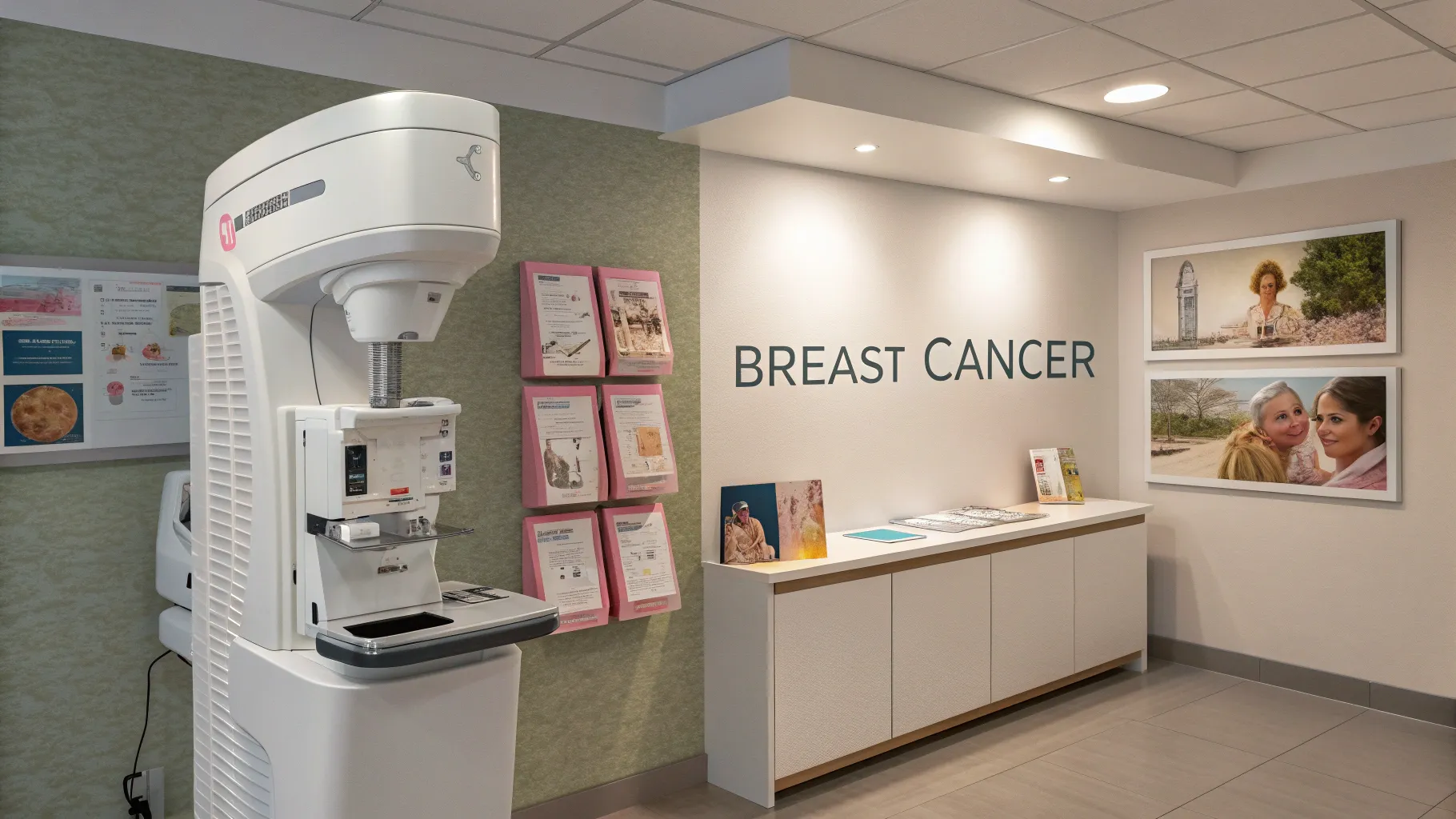
Understanding When to Start Breast Cancer Screenings
Breast cancer remains one of the most prevalent cancers affecting women globally. As of early 2025, statistics reveal that about 1 in 8 women in the United States will be diagnosed with breast cancer at some point in their lives. Given these concerning figures, it’s crucial to understand when to start breast cancer screenings. Early detection significantly increases the chances of successful treatment, making awareness about screening vital.
The American Cancer Society recommends that women begin annual mammograms at age 45. However, women aged 40 to 44 have the option to start screening earlier if they choose. For women aged 55 and older, it’s encouraged to transition to biennial screenings. Having a family history of breast cancer or other risk factors may dictate an earlier start to screenings, often around 30, emphasizing the importance of consulting with healthcare providers for tailored advice.
Early Signs That Breast Cancer Screening Can Detect
Breast cancer screenings, particularly mammograms, are not just about detecting cancer; they can spot early signs even before a patient might notice a lump. These early signs include:
- Microcalcifications: Tiny deposits of calcium that can indicate the presence of cancerous cells.
- Asymmetry: One breast appearing different in size or shape compared to the other.
- Changes in breast density: Denser breast tissue can sometimes mask tumors, making regular screenings crucial.
- Skin changes: Dimpling, puckering, or redness might signal changes in breast tissue that need further exploration.
Available data from the past six months indicate that women who undergo regular screenings are often diagnosed at earlier stages of cancer, leading to a five-year survival rate of over 90% when detected in stage 1. Awareness of these early signs and symptoms, combined with regular screenings, can truly save lives.
How to Do Early Breast Cancer Screening
Having a proactive approach towards breast health is beneficial. The routine of breast self-examinations (BSE) is a good first step. While self-examinations do not replace professional screenings, they empower women to be attuned to their bodies. Calendering a monthly check goes a long way in recognizing any unusual changes.
Below are steps for conducting a self-exam:
- Stand and visually inspect: Stand in front of a mirror and inspect your breasts for any visible changes in shape, color, or texture.
- Palpate while standing: Use the pads of your fingers to press down firmly on the breast to feel for lumps while standing up, ideally when the skin is wet, such as during a shower.
- Check in different positions: Perform the examination while lying down. Laying down flattens the breast and can help in feeling lumps that might be missed while standing.
- Record changes: Keep a record of any changes and consult a healthcare professional if you notice any irregularities.
In addition to self-exams, it is essential to schedule a mammogram appointment online to streamline the process. Most clinics offer convenient online booking systems that allow you to secure appointments easily.
Scheduling a Mammogram Appointment Online
Gone are the days of waiting on hold or dealing with busy phone lines to get healthcare appointments. As technology advances, many breast cancer screening clinics now provide the option to schedule a mammogram appointment online. It's a simple process and can often be completed in just a few minutes. Typically, patients just need to:
- Visit the clinic’s website.
- Fill out necessary information, including name, contact details, and preferred dates and times.
- Provide insurance information if applicable.
- Receive a confirmation email or message.
This streamlined process makes it easier for women to prioritize their health without unnecessary stress. Many clinics also send reminders as the appointment date approaches, ensuring that no one forgets their crucial screenings.
Breast Cancer Screening Clinics: What You Need to Know
Knowing where to go for breast cancer screenings can be the first step toward taking charge of your health. In 2025, various clinics specialize in breast cancer screenings, ensuring accessibility and comfort for women. Some may even offer mobile mammography services, traveling to different communities to increase detection rates.
Here are key things to consider when choosing a clinic:
- Accreditation: Ensure the clinic is accredited by the American College of Radiology or other recognized bodies.
- Services offered: Look for clinics that provide comprehensive services, including diagnostic imaging, consultations, and follow-up care.
- Reviews and testimonials: Check for feedback from other patients regarding their experiences.
- Convenience: Consider location, hours of operation, and if they offer easy online scheduling options.
Regular screenings and awareness of breast cancer signs contribute to the fight against breast cancer. By learning when to start breast cancer screenings, recognizing early signs and symptoms, actively participating in self-exams, and utilizing online resources for scheduling, each woman can be proactive about her health. In today’s world, where technology meets healthcare, finding the right support is easier than ever, paving the way for early detection and improved outcomes.