Learn What Can Be The Causes of Unexplained Bruises
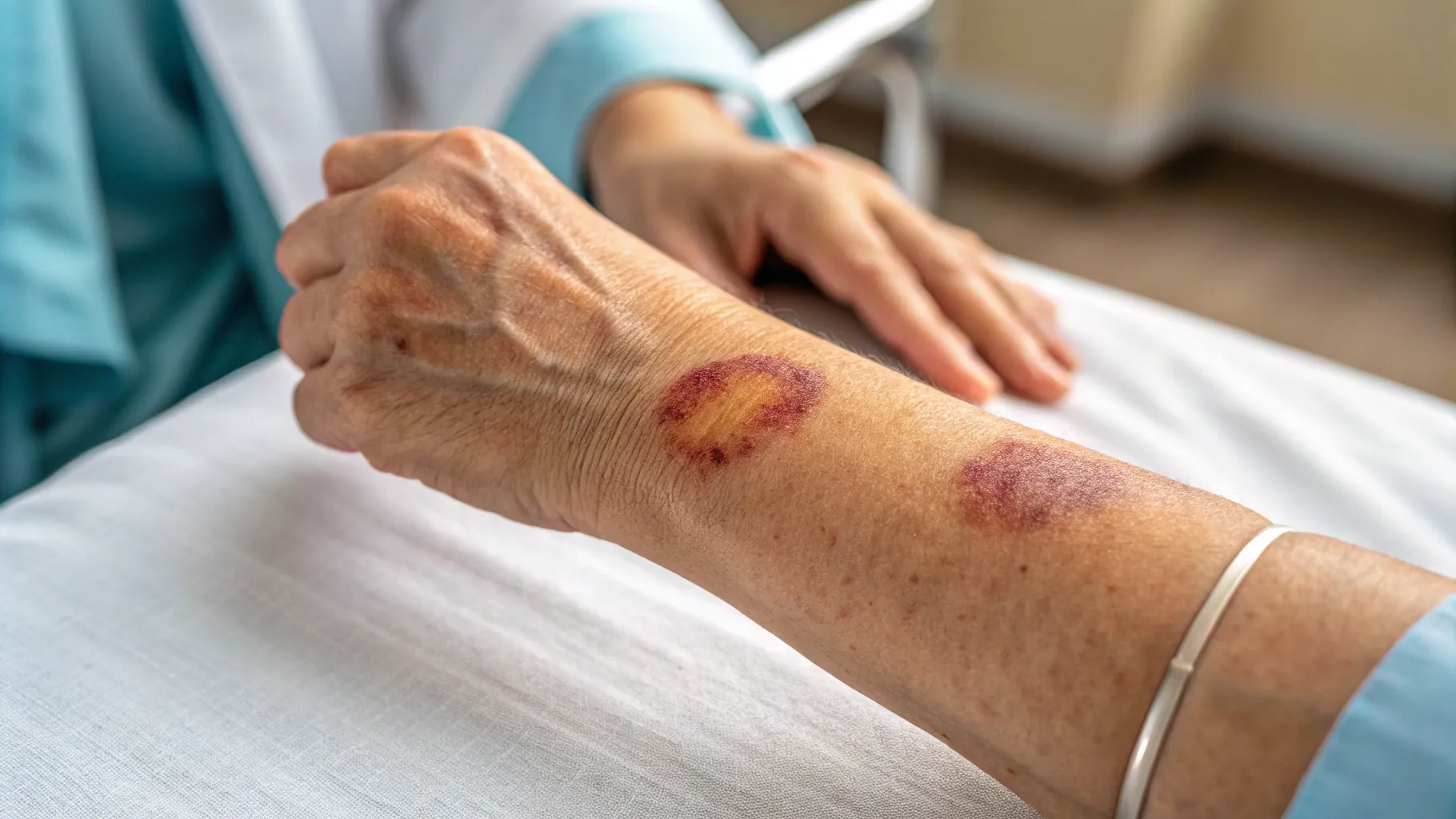
What Unexplained Bruises Mean: Understanding Causes and Factors
For many, discovering unexplained bruises on their body can be alarming. If you have ever looked down at your arm to find a new bruise, it’s natural to worry about where it came from. Bruises, or contusions, typically occur when small blood vessels under the skin break, allowing blood to leak into the surrounding tissues. While many bruises arise from blunt trauma or an injury, sometimes they appear without any clear cause. Let’s delve into potential reasons for this phenomenon, providing a comprehensive understanding of unexplained bruising.
Common Causes of Unexplained Bruising
There are numerous causes of unexplained bruising, many of which are linked to the fragility of blood vessels or skin changes due to factors such as aging or certain medications. Here are some of the most prevalent reasons:
- Aging: As we age, our skin becomes thinner and loses its elasticity. This makes it more susceptible to bruising. According to recent studies, about 60% of older adults report experiencing unexplained bruises.
- Medications: Certain medications can increase bruising by affecting blood clotting. Common culprits include anticoagulants like warfarin, anti-inflammatories like ibuprofen, and even some herbal supplements. If you’re taking medication regularly, consult with your healthcare provider to assess any potential side effects.
- Blood Disorders: Conditions such as thrombocytopenia, hemophilia, or liver disorders can affect the body’s ability to clot. Recent statistics from health journals indicate that unexplained bruising may be an early symptom of these conditions, and timely diagnosis can improve treatment outcomes.
- Vitamin Deficiencies: Lack of nutrients like vitamin C or vitamin K can lead to increased bruising. Vitamin C is crucial for collagen production which strengthens blood vessels, while vitamin K plays a key role in blood clotting.
- Genetics: Some people are naturally predisposed to bruising more easily due to hereditary factors. For example, connective tissue disorders like Ehlers-Danlos syndrome lead to fragile skin and blood vessels.
Why Can Bruises Appear Without Injury?
At times, people find bruises appearing seemingly out of nowhere, often leading to confusion and concern. In some cases, especially among the elderly and those on certain medications, this can happen purely due to skin and vessel changes rather than any specific injury, however minor. The delicate nature of blood vessels in these individuals means that everyday activities can lead to bruises. Just bumping against a doorframe or lifting groceries might be enough to break capillaries under the skin without you even realizing it.
Moreover, stress can also play a role. Research in the last six months has heightened awareness of the relationship between physical health and emotional wellbeing, suggesting that emotional stress may trigger biological responses that contribute to skin fragility or vascular issues.
When to Seek Medical Advice for Unexplained Bruises
While occasional bruises can be normal, it’s crucial to be vigilant, especially if several unexplained bruises emerge frequently or if they’re accompanied by other concerning symptoms. Here are some guidelines on when to seek medical attention:
- Frequent Recurrence: If you start noticing a pattern of bruising without clear reasons, or if they appear more frequently than before.
- Large or Painful Bruises: Large bruises that are painful, persist for an extended time, or do not fade may require a professional evaluation.
- Associated Symptoms: Look out for symptoms such as excessive bleeding from minor cuts, blood in urine or stool, or chronic fatigue. These can indicate underlying health issues.
- Change in Skin Condition: If you notice other changes in your skin texture, color, or if you feel unusually fatigued or weak, it may indicate a need for further investigation.
If you’re ever in doubt, taking your concerns to a healthcare provider is always a good step. Early intervention can lead to better management of potential health issues related to unexplained bruising.
Skin and Bruising: The Role of Aging and Medications
The interplay between aging and medications can significantly influence skin condition and bruising propensity. With age, the skin loses collagen and elastin, essential proteins that provide support and flexibility. According to the Journal of Geriatric Dermatology, nearly 50% of adults over 65 experience significant bruising as a side effect of skin aging.
Medications also play a pivotal role in the appearance of bruises. For instance, blood thinners might help prevent blood clots but can predispose individuals to bruising. Recent findings highlight that many patients unknowingly take medication combinations that exacerbate this issue. Hence, regular medication reviews with healthcare providers can help manage the risk of bruising effectively.
Ultimately, understanding the reasons behind unexplained bruising empowers individuals to take control of their health. Increased awareness of the body and its changes can lead to better health practices and reassurance during worrying times. So, the next time you come across an unexpected bruise, take a moment to consider these insights—it can help dispel fear and promote better health management.