What to Know About Hearing Aids for Seniors and More
What to Know About Hearing Aids
As the world around us grows louder, maintaining our hearing becomes increasingly important, especially for seniors. The need for hearing aids is on the rise, with the World Health Organization estimating that over 1.5 billion people around the globe are currently experiencing hearing loss. If you or a loved one is among them, understanding the nuances of hearing aids can significantly impact your quality of life.
Understanding Hearing Aids
Hearing aids are small electronic devices worn in or behind the ear, designed to amplify sound. They help individuals hear better in various environments—whether in a quiet room or a bustling restaurant. The technology has dramatically evolved over the years, shifting from basic analog devices to sophisticated digital systems that can adjust to different sound environments.
When considering hearing aids for seniors, it’s vital to recognize that these devices are not one-size-fits-all. Each person’s hearing loss is unique, necessitating a tailored approach to find the optimal model.
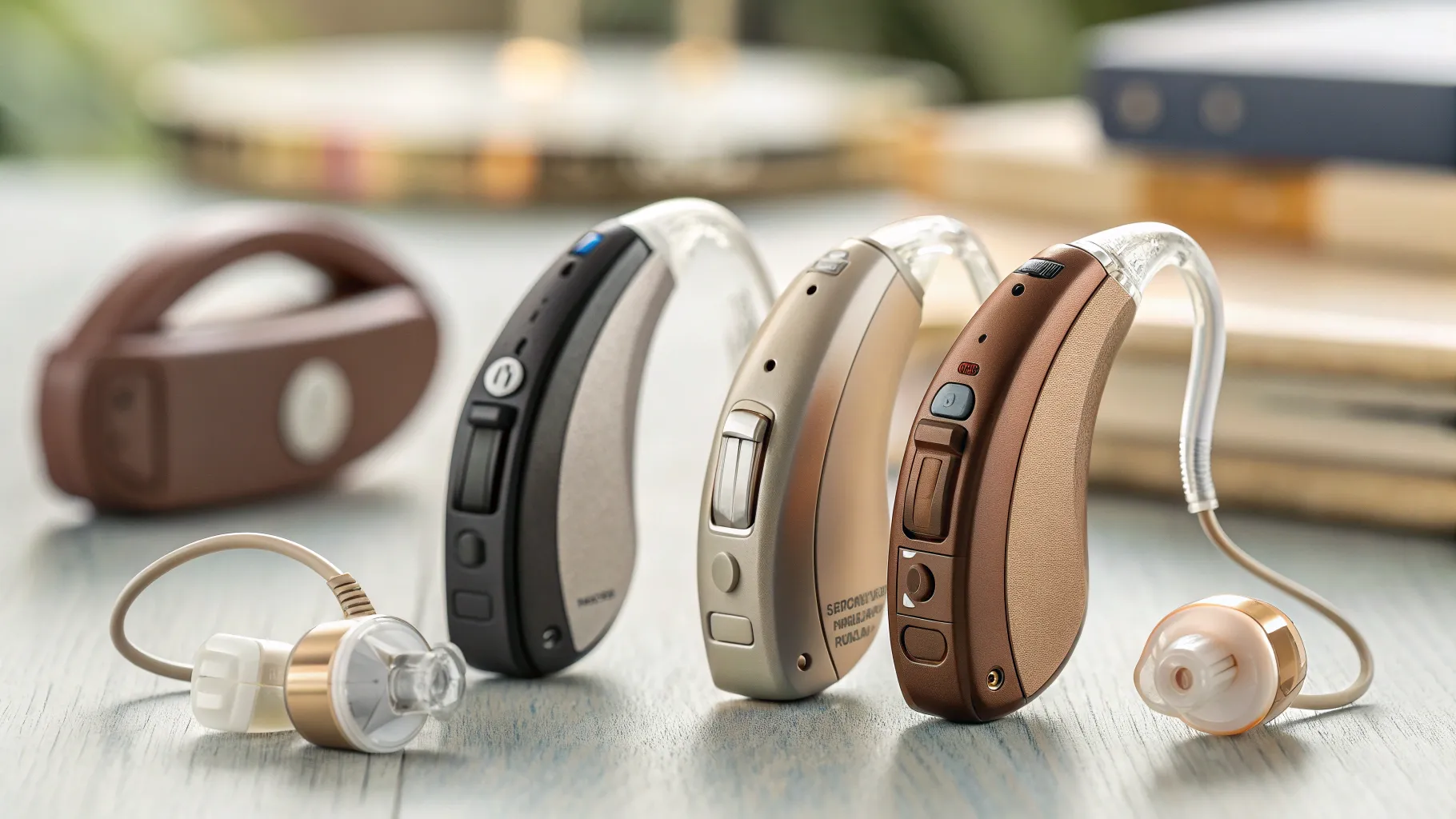
- Behind-the-Ear (BTE): These are worn on the outer ear and connected to an ear mold, offering powerful amplification capabilities, ideal for severe hearing loss.
- In-the-Ear (ITE): Custom-made to fit inside the ear, they are less visible and can also provide additional features like Bluetooth connectivity.
- Receiver-in-Canal (RIC): A tiny speaker sits in the ear canal, providing high-quality sound and a discreet appearance.
Choosing the Right Hearing Aid
The selection process can be overwhelming, given the array of hearing aid options available. New advancements in digital hearing aids are constantly emerging, ensuring they meet the specific needs of users. According to recent digital hearing aid reviews, many users report substantial improvements in sound clarity and overall satisfaction. So, what should you consider when choosing a hearing aid?
Features to Look For
1. **Sound Quality:** The clarity of sound is crucial. Advanced digital hearing aids can filter background noise, allowing the wearer to focus on conversations without distractions.
2. **Battery Life:** Many modern models come with rechargeable batteries, which can last an entire day with typical use. This eliminates the hassle of frequently needing to replace disposable batteries.
3. **Connectivity:** With the rise of smartphone usage, many digital hearing aids are designed to connect to smartphones via Bluetooth, allowing for direct streaming of calls or music.
4. **Comfort and Fit:** Comfort is paramount, especially for seniors who may wear their hearing aids all day. Custom molds can enhance comfort levels significantly.
Hearing Aid Cost Comparison
Cost is often a significant concern for those considering hearing aids. On average, a pair of hearing aids ranges between $2,000 to $8,000. Factors influencing the price include technology level, manufacturer, and whether the hearing aids are analog or digital.
To get a clearer picture, here’s a snapshot of average costs:
- Basic Analog: $1,000 - $1,500
- Standard Digital: $2,000 - $4,000
- Premium Digital: $4,000 - $8,000
Keep in mind that many insurance plans do not cover hearing aids, relegating many to out-of-pocket expenses. You might also explore financing options or discounts offered by manufacturers.
Popular Hearing Aid Brands Comparison
When looking for reliable hearing aid brands, a few stand out for their innovative technology and positive user feedback. Here’s a comparison of reputable hearing aid brands according to recent evaluations:
- Phonak: Known for exceptional sound quality and Bluetooth connectivity, these aids are highly regarded among users.
- Oticon: These devices feature advanced speech recognition technology, making them particularly effective in noisy environments.
- Signia: With stylish designs and solid performance, they are popular among younger seniors who prefer a modern aesthetic.
- ReSound: Notable for their rechargeable options, they provide excellent battery life and high-quality sound.
Each of these brands offers a range of features, so it’s worthwhile to read customer reviews specific to the models you are considering.
Real-World Experiences
Many users have shared their experiences purchasing and using hearing aids, highlighting both the challenges and gains. For example, a recent testimonial from a 72-year-old user noted that shifting to a Bluetooth-enabled hearing aid allowed him to reconnect with family members during video calls effortlessly. This change not only improved his hearing but significantly enhanced his social interactions.
Another user emphasized the importance of professional fitting. Originally purchasing a pair online, she struggled with discomfort. After seeking professional help and getting custom-fitted devices, her comfort and hearing experience improved immensely.
With the right knowledge and resources, finding a suitable hearing aid can vastly improve life’s interactions. Hearing aids today are more than just devices—they open up a world of communication and enjoyment, actively participating in life’s moments.
Staying informed on the latest products and options available will empower customers to make better choices tailored to their hearing needs. With many advancements and choices in hearing aid technology, the journey to better hearing is now more accessible and fulfilling than ever.
Whether you or your loved one is looking to enhance communication or simply enjoy sounds again, investing in a good hearing aid is a step toward rediscovering the world of sound in a more vibrant way.