What Kills Weeds Down to the Root: A Complete Guide to Getting Rid of Weeds Permanently
Facts:
- A single dandelion can have a taproot up to three feet long.
- Systemic herbicides are a leading trend for homeowners seeking permanent weed control.
- Lawn weed services and weed lawn care services near you can be more cost-effective than DIY for large infestations.
Understanding Why Targeting the Root is Crucial to Get Rid of Weeds Permanently
The constant battle against unwanted plants in your garden or lawn can feel endless. You spend hours pulling them out, only to see them defiantly reappear days later. The core of the issue lies beneath the surface. To truly solve the problem — and learn how to get rid of weeds permanently — you must focus on the root system. Surface-level removal is merely a temporary fix; the real victory comes from destroying the entire plant structure, including the deeply embedded taproot. This guide covers the most effective ways to get rid of weeds forever, from professional herbicides to integrated weed management strategies, so that when a weed is gone, it stays gone.
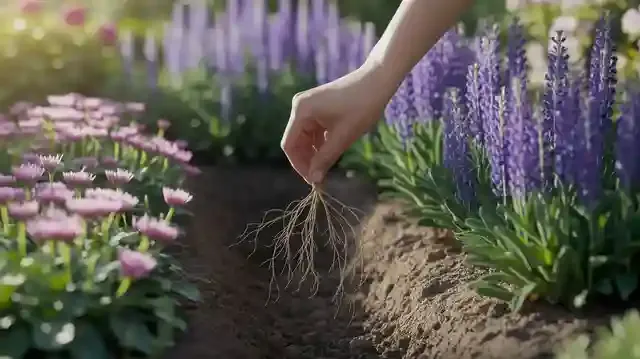Systemic Herbicides: The Chemical Path to Permanent Weed Control
When you need a powerful and efficient solution, systemic herbicides are designed specifically to kill weeds down to the root. Unlike contact herbicides that only kill the parts of the plant they touch, systemic chemicals (also called translocated herbicides) are absorbed by the leaves and transported throughout the plant's vascular system, all the way down to the root tips. This process effectively poisons the entire organism from the inside out.
Glyphosate is a well-known non-selective systemic herbicide, meaning it will kill any plant it touches, making it ideal for clearing large, overgrown areas. For lawns, selective herbicides are a better choice — they're formulated to target common weeds like dandelions and clover without harming the surrounding grass.
The key to success with these products is proper application during the plant's active growing season, which ensures the chemical is effectively circulated through the entire root system. If you're looking for the best herbicide for your specific situation, consider these factors:
- Weed type: broadleaf vs. grassy weeds respond to different formulations
- Surrounding plants: selective vs. non-selective matters near desirable plants
- Application timing: late summer/early fall is ideal for perennial weeds
- Application method: liquid sprays for spot treatment, granular for broader coverage
For homeowners dealing with severe infestations, smart lawn herbicide products combined with proper timing can deliver results comparable to professional treatments.
How to Get Rid of Weeds Forever: Natural and Organic Methods
For those who prefer an eco-friendly approach, several natural methods can be surprisingly effective. These methods require more persistence but avoid synthetic chemicals.
- Boiling water: A simple yet potent tool. Pouring it directly onto a weed will scald the foliage and cook the upper part of the root, often killing younger or shallow-rooted plants entirely.
- Horticultural vinegar: A high-concentration solution acts as a natural desiccant, burning the plant's leaves and stems. Best applied on sunny days for maximum effect.
- Manual removal with proper tools: For tougher weeds with deep taproots, this is the most direct approach. A specialized tool like a stand-up weeder or hori-hori knife allows you to get deep into the soil and leverage the entire root out without breaking it. This is fundamental to truly removing weeds from your lawn permanently.
- Smothering with garden tarps: Covering a weed-infested area with thick garden tarps or landscape fabric for several weeks blocks all sunlight and kills weeds at the root through starvation. Effective for clearing large garden areas before replanting.
These approaches align with integrated weed management principles, which combine multiple methods rather than relying on any single tactic.
When to Call a Professional: Lawn and Weed Service Near Me
For heavily infested lawns, recurring weed problems, or large properties, hiring a professional weed lawn service often delivers better results than DIY. Searching for "lawn and weed service near me" or "weed lawn care services near me" connects you with licensed applicators who have access to commercial-grade herbicides and proper application equipment.
A typical professional weed and lawn care program includes:
- Initial assessment of weed types and lawn health
- Pre-emergent application in early spring to prevent germination
- Targeted post-emergent treatments for existing weeds throughout the growing season
- Lawn fertilization to build dense turf that crowds out new weeds
- Follow-up visits to monitor and re-treat as needed
When evaluating lawn and weed control services near you, ask about their treatment schedule, what products they use, and whether they offer satisfaction guarantees. Many homeowners find that combining a professional weed lawn service for the heavy lifting with their own maintenance produces the best long-term results.
Integrated Weed Management for Sustainable Lawn Care
Modern weed control increasingly focuses on integrated weed management — a systematic approach used in sustainable agriculture and organic farming that's equally effective for home lawns. Rather than relying solely on herbicides or pulling, this approach combines:
- Cultural controls: proper mowing height, watering deeply but infrequently, and overseeding bare patches
- Mechanical controls: manual removal, mulching, and physical barriers
- Chemical controls: targeted use of selective or systemic herbicides only where needed
- Biological controls: encouraging healthy soil biology that supports desirable plants over weeds
The same principles behind weed management in organic farming and environmental weed management apply directly to your lawn. Integrated pest management strategies aren't just for commercial growers — they're the most reliable path to a lawn that genuinely stays weed-free over time.
Comparing Manual vs. Chemical Weed Control
Choosing between manual and chemical methods often depends on the scale of the infestation, the type of weed, and personal preference.
Manual removal is precise, organic, and immediately satisfying. It's an excellent choice for small gardens or scattered weeds, giving you full control. However, it can be labor-intensive and less practical for large, heavily infested areas.
Chemical herbicides offer efficiency and effectiveness over vast spaces, significantly reducing manual labor. They're particularly useful for dealing with aggressive, deep-rooted perennial weeds where manual pulling might leave root fragments behind.
A hybrid approach is often best: using systemic herbicides for widespread problems and manual methods for sensitive areas near desirable plants or for routine maintenance. This is also the right time to consider whether a professional lawn weed service makes sense for your situation — for many homeowners, the cost-benefit tilts toward professional service once you're treating more than a few thousand square feet.
How to Stop Weeds from Growing Permanently: Proactive Prevention
The best way to learn how to stop weeds from growing — permanently — is to prevent them from establishing in the first place.
- Build a healthy, dense lawn. Thick turf leaves no room for weeds. Proper mowing (don't cut too short), deep but infrequent watering, and regular fertilization are foundational.
- Mulch heavily. A thick layer of organic mulch in garden beds blocks sunlight and prevents weed seeds from germinating. Reapply annually as it breaks down.
- Apply pre-emergent herbicides. Used in early spring, these create a chemical barrier that stops weed seeds from sprouting. This is one of the most underused tools in residential lawn care.
- Fix bare spots immediately. Empty patches are an invitation for weed seeds. Reseed with grass within a week of removing weeds.
- Improve soil health. Annual aeration and topdressing with compost build the kind of soil that favors grass over weeds.
These proactive measures are essential components of any plan to get rid of weeds permanently because they stop the problem before it begins.
The Best Way to Get Rid of Weeds: A Step-by-Step Guide
Achieving a weed-free lawn requires a systematic approach. Here's the best way to get rid of weeds and keep them gone:
- Identify your enemy. Correctly identify the type of weed (broadleaf, grassy, perennial, annual). This determines the most effective treatment.
- Choose the right tool. Select your method based on weed type and infestation level. Scattered dandelions: manual weeder. Widespread clover: selective liquid herbicide. Lawn full of weeds across multiple species: consider a professional lawn weed service.
- Time your attack. Apply treatments when weeds are actively growing. For perennials, late summer or early fall is often ideal — plants are storing energy in their roots, which helps transport systemic herbicides to the root system more effectively.
- Apply correctly. Read and follow all product instructions carefully. For manual removal, wait until after a rainfall when the soil is soft, making it easier to pull the entire root without it breaking.
- Follow up. Monitor the treated areas. A single application may not be enough for resilient weeds. Be prepared to re-treat as necessary and fill in bare spots with grass seed to prevent new weeds from taking over.
Frequently Asked Questions
How do I get rid of weeds permanently?
To get rid of weeds permanently, you need to destroy the entire root system — not just the visible plant. This means using systemic herbicides that travel through the plant to the roots, removing weeds manually with their full taproot intact, or hiring a weed lawn service for stubborn infestations. Combine root-level removal with prevention strategies like mulching, proper lawn maintenance, and pre-emergent herbicides to stop new weeds from establishing.
What's the best way to remove weeds from a lawn permanently?
The best way to remove weeds from a lawn permanently combines three things: targeted treatment of existing weeds (systemic selective herbicides for broadleaf weeds, manual removal for scattered ones), building a dense healthy turf that crowds out future weeds, and applying pre-emergent herbicides each spring. For severe cases, a professional weed lawn care service near you can accelerate results.
How long does it take to kill weeds to the root with herbicides?
With systemic herbicides, you may see the leaves start to wilt within 24–48 hours, but it can take 1 to 3 weeks for the chemical to fully travel to the root tips and kill the entire plant. Patience is key, as the process works from the inside out.
What are the most effective organic deep weed removal methods?
The most effective organic method is diligent manual removal with a quality weeding tool designed to extract long taproots. For surface weeds, horticultural vinegar or boiling water can be effective, but for deep-rooted perennials, physical removal — or smothering with garden tarps — is the most reliable organic option.
Can I achieve permanent weed control without chemicals?
Yes, permanent control is possible but requires a dedicated and integrated approach. This involves consistent manual weeding, applying thick layers of mulch, improving soil health, and maintaining a dense, healthy lawn that outcompetes weeds for resources — the same principles behind integrated weed management used in organic farming.