What Causes a Leaky Heart Valve?
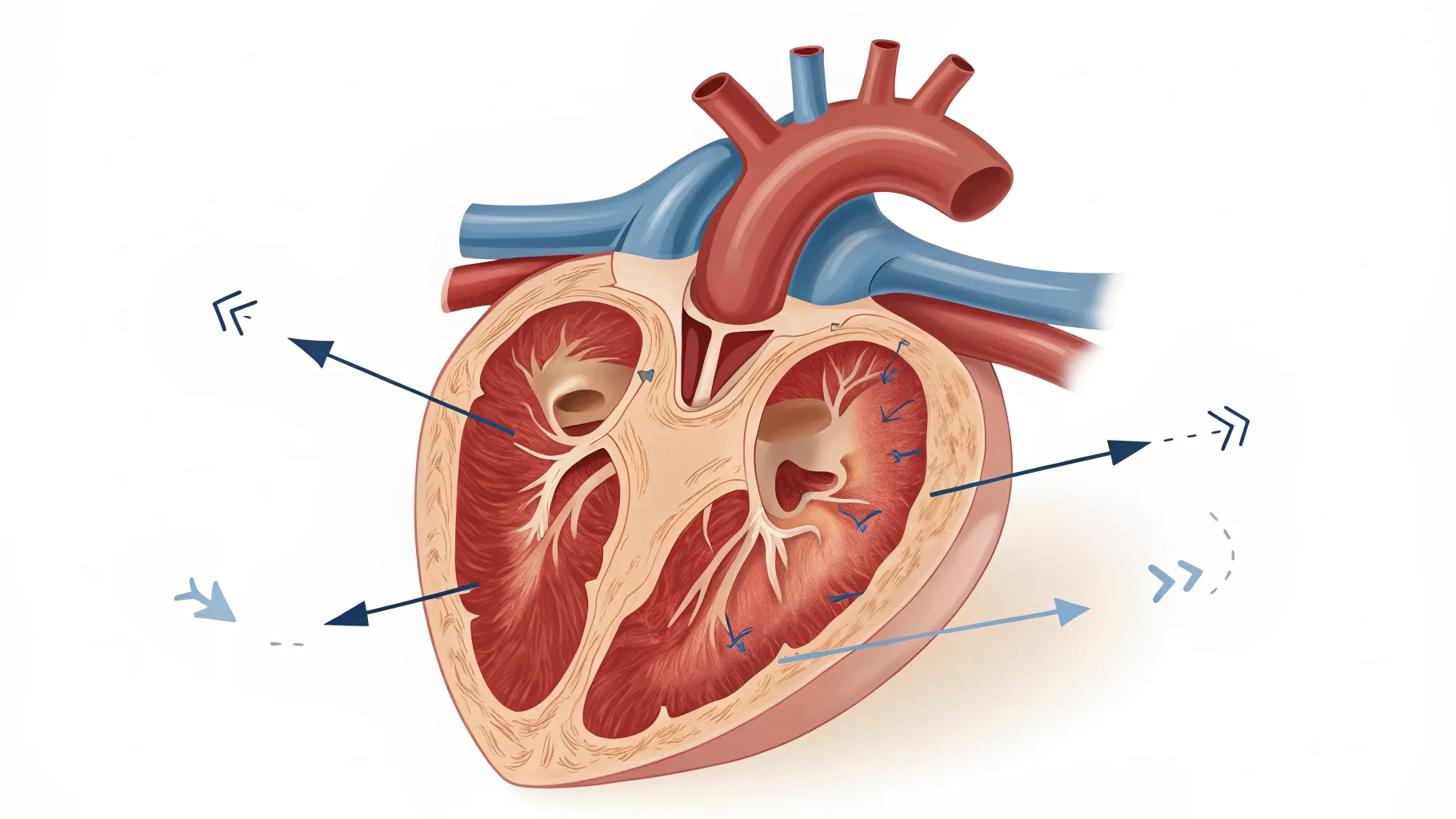
Your heart has four valves that act as one-way gates, ensuring blood flows in the correct direction through its chambers. A leaky heart valve, a condition known medically as valve regurgitation, occurs when one of these valves fails to close tightly. This allows some blood to leak backward, forcing the heart to work harder to pump the same amount of blood. Understanding the potential causes is the first step in recognizing and addressing the condition.
What is a Leaky Heart Valve?
The four valves in the heart are the mitral, tricuspid, aortic, and pulmonary valves. Each is composed of thin but strong flaps of tissue called leaflets or cusps. With each heartbeat, these leaflets open to let blood pass through and then snap shut to prevent it from flowing backward. When a valve is 'leaky,' it means these leaflets do not form a complete seal when closed.
This backward flow, or regurgitation, can be mild, moderate, or severe. In mild cases, a person may not experience any symptoms. However, as the leak worsens, the heart muscle must pump more forcefully to compensate. Over time, this extra workload can lead to more serious heart problems, such as an enlarged heart or heart failure, making it important to identify the underlying cause.
Congenital Heart Conditions
Some individuals are born with abnormalities in their heart valves, known as congenital heart defects. These structural issues can predispose a valve to leaking later in life, even if they don't cause problems during childhood. A common example is a bicuspid aortic valve, where the aortic valve has only two leaflets instead of the usual three. This altered structure can lead to both narrowing and leaking over time.
Another prevalent congenital condition is mitral valve prolapse (MVP). In MVP, the leaflets of the mitral valve bulge, or prolapse, back into the left atrium as the heart contracts. While many people with MVP have no significant leak, it is one of the most common reasons for mitral regurgitation. The abnormal structure can prevent the leaflets from closing properly, leading to a backward flow of blood.
Age-Related Degenerative Changes
As we age, our body tissues naturally change, and the heart valves are no exception. Degenerative valve disease is a common cause of leaky valves, particularly in older adults. Over decades, the flexible, fibrous tissue of the valve leaflets can weaken, stretch, or thicken, compromising their ability to form a tight seal.
One frequent change is the buildup of calcium deposits on the valve leaflets, which can cause them to stiffen and not close properly. The supportive structures of the valve, such as the chordae tendineae that anchor the mitral and tricuspid valves, can also stretch or rupture. These age-related changes are a primary driver of both aortic and mitral regurgitation in the elderly population.
Damage from Heart Conditions
Existing heart problems can directly damage or alter the function of the heart valves. A heart attack, for instance, can damage the heart muscle, including the small papillary muscles that help control the mitral valve leaflets. If these muscles are weakened or scarred, they may not be able to hold the valve closed properly, resulting in a leak.
Furthermore, conditions that cause the heart to enlarge, such as cardiomyopathy or long-standing high blood pressure, can also lead to leaky valves. As the heart chambers stretch, the ring (annulus) to which the valve leaflets are attached also stretches. This can pull the leaflets apart, creating a gap that allows blood to flow backward even if the leaflets themselves are healthy.
Infections and Inflammatory Diseases
Certain infections can cause direct and sometimes severe damage to heart valve tissue. Infective endocarditis is an infection of the endocardium, the heart's inner lining, which includes the surfaces of the valves. Bacteria entering the bloodstream can attach to a valve, leading to growths that can destroy the leaflet tissue and cause a significant leak.
Rheumatic fever, an inflammatory disease that can develop as a complication of untreated strep throat or scarlet fever, is another well-known cause. The inflammation associated with rheumatic fever can scar and deform the heart valves, particularly the mitral valve. Although less common today due to the effective treatment of strep infections with antibiotics, rheumatic heart disease remains a significant cause of valve problems worldwide.
Other Contributing Factors and Risk Factors
Several other conditions and external factors can contribute to the development of a leaky heart valve. While less common than the causes already mentioned, they are important to be aware of as they can play a significant role in certain individuals.
These contributing factors can include:
Radiation Therapy:
Radiation treatment directed at the chest for cancers like lymphoma or breast cancer can sometimes cause the heart valves to thicken and stiffen over time.
Certain Medications:
Some medications, including certain appetite suppressants used in the past, have been linked to heart valve damage.
Connective Tissue Disorders:
Genetic conditions like Marfan syndrome or Ehlers-Danlos syndrome affect the body's connective tissue, which can weaken the heart valves and aorta, making them prone to leaking.
Trauma:
A significant injury to the chest can, in rare cases, cause physical damage to a heart valve, leading to acute regurgitation.