Weekly Grocery Planning Tips for Retirees: A Complete Guide
Facts:
- Effective meal planning can reduce food waste by up to 20%.
- A rising trend for retirees is utilizing online grocery delivery services.
The Essential Guide to Smart Grocery Shopping in Retirement
Entering retirement brings a new rhythm to life, and adapting daily routines, like grocery shopping, can make a significant difference in both your budget and well-being. For many, a structured approach is key. This is where understanding weekly grocery planning tips for retirees becomes not just helpful, but essential for maintaining a healthy and financially sound lifestyle. By implementing effective grocery planning for retirees, you can transform a potentially stressful chore into an empowering and enjoyable activity that supports your health goals and financial independence.
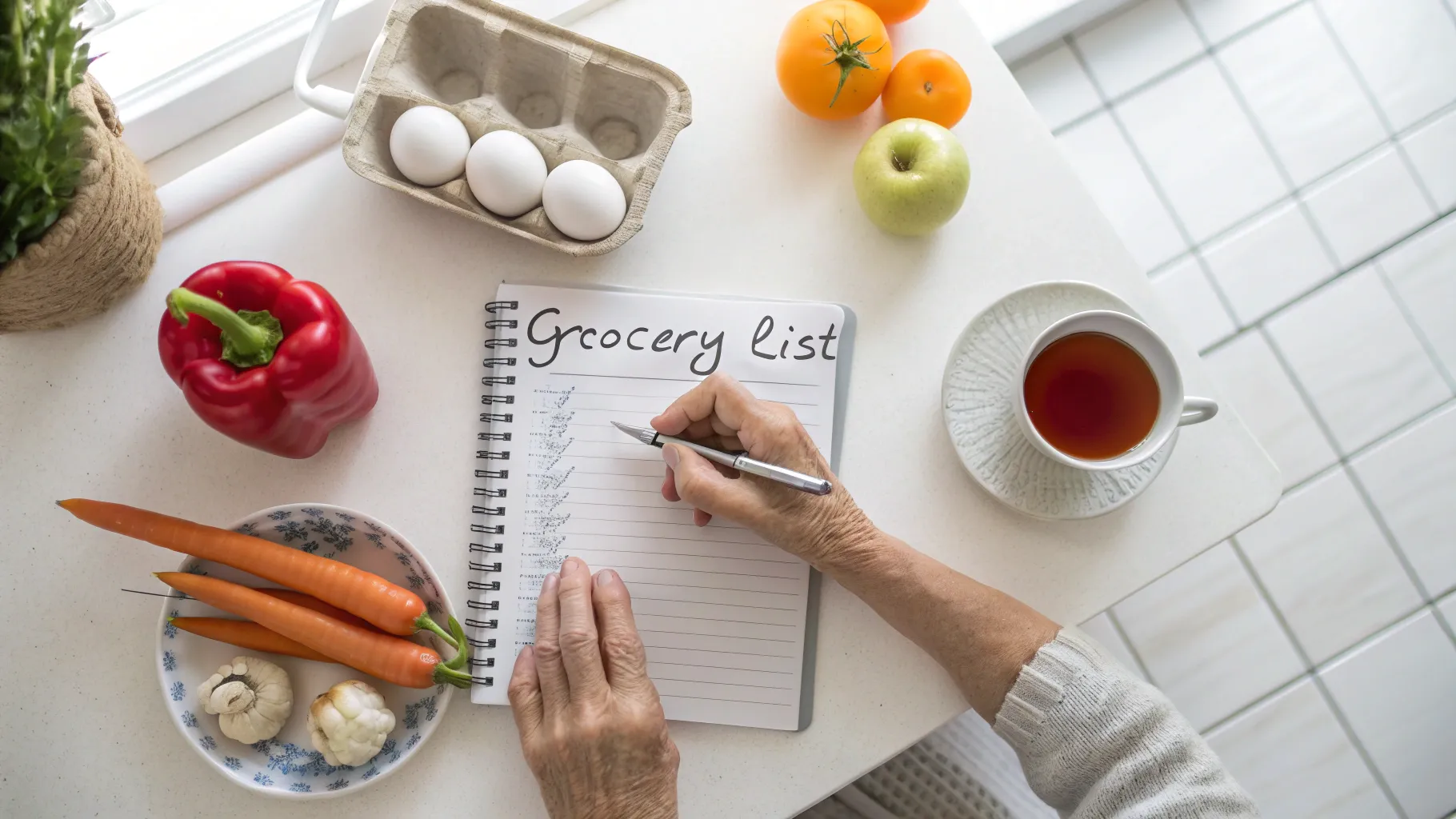
Laying the Foundation: The Power of Weekly Meal Planning for Seniors
The cornerstone of any successful grocery strategy is a well-thought-out meal plan. Before you even think about a list, you must decide what you'll be eating. This simple step eliminates guesswork and last-minute, often unhealthy, food choices. For seniors, a consistent meal plan also helps in managing dietary needs, ensuring balanced nutrition, and controlling portion sizes. Start by dedicating a specific time each week to sit down and outline your meals for the next seven days—breakfast, lunch, dinner, and even snacks. Consider your social calendar, any leftovers you might have, and your energy levels for cooking on different days. This structured approach is the most critical aspect of weekly meal planning for seniors. It not only simplifies shopping but also ensures you are buying ingredients with a purpose, drastically cutting down on food waste and unnecessary spending. A thoughtful plan is the first step towards mastering your kitchen and your budget.
Crafting the Perfect List: Grocery List Ideas for Retirees
Once your meal plan is set, creating a detailed grocery list is the next logical step. A common mistake is jotting down items haphazardly. Instead, organize your list to match the layout of your favorite grocery store. Group items by category: produce, dairy, meats, pantry staples, frozen foods, and household goods. This method saves you time and prevents you from backtracking through aisles, which often leads to impulse buys. Before you finalize your list, do a quick inventory of your pantry, refrigerator, and freezer. This prevents purchasing duplicates of items you already have. We have compiled some essential grocery list ideas for retirees below to get you started:
- Pantry Staples: Focus on versatile, long-lasting items like oats, brown rice, quinoa, whole-wheat pasta, canned beans (low-sodium), canned fish (tuna, salmon), nuts, seeds, and healthy oils like olive oil. These form the base of many healthy meals.
- Fresh Produce: Aim for a variety of colorful fruits and vegetables. Berries, leafy greens (spinach, kale), broccoli, bell peppers, and sweet potatoes are packed with nutrients. Consider buying a mix of fresh and frozen to ensure you always have options on hand.
- Lean Proteins: Include sources like chicken breast, fish, eggs, and Greek yogurt. These are crucial for muscle maintenance and overall health. Plant-based options like tofu and lentils are also excellent choices.
- Dairy & Alternatives: Milk or fortified plant-based milks, cheese, and yogurt provide calcium and vitamin D, which are vital for bone health.
Mastering Your Budget: Key Retiree Grocery Budgeting Tips
Sticking to a budget is a primary goal for most retirees, and the grocery bill is a significant variable expense that you can control. Effective retiree grocery budgeting tips go beyond just looking for sales. Start by checking weekly store flyers before you create your meal plan. Build your meals around what's on sale, especially for proteins and produce. Embrace store brands; they are often identical in quality to their name-brand counterparts but at a fraction of the cost. Another powerful tip is to pay attention to unit pricing—the price per ounce or per item—to determine the true best value, as a larger package isn't always cheaper. Avoid shopping when you're hungry, as this is a well-known trigger for impulse purchases. Finally, consider using a cash-only envelope system for your grocery budget. It's a tangible way to ensure you don't overspend. By consistently applying these strategies, you'll gain full control over your food expenditures.
Navigating the Aisles: Efficient In-Store Strategies
Your plan is made, your list is organized—now it's time to execute the shopping trip. The goal is to get in and out efficiently while sticking to your list. A key part of grocery planning for retirees is the physical act of shopping. Try to shop during off-peak hours, like weekday mornings, to avoid crowds and long checkout lines. This makes for a more relaxed and focused experience. Stick to the perimeter of the store first, as this is where fresh foods like produce, dairy, and meat are typically located. The center aisles are full of processed foods that can quickly derail your healthy eating goals and your budget. As you place items in your cart, check expiration dates, especially for dairy and meat products. Being a mindful shopper is the final piece of the puzzle in understanding weekly grocery planning tips for retirees and turning your plan into a successful reality.
Frequently Asked Questions
How can weekly meal planning for seniors improve health?
Weekly meal planning for seniors is incredibly beneficial for health as it allows for better control over nutrition. By planning meals in advance, you can ensure a balanced intake of essential vitamins, minerals, protein, and fiber. It also helps manage specific dietary restrictions related to conditions like diabetes, high blood pressure, or heart disease by consciously including beneficial foods and limiting harmful ones.
What are some simple grocery list ideas for retirees living alone?
When creating grocery list ideas for retirees living alone, focus on single-serving options or foods that can be easily portioned and frozen. For example, buy chicken breasts or fish fillets from the butcher counter instead of pre-packaged trays. Purchase fruits and vegetables loose instead of in bags to control quantity. Also, embrace frozen fruits and vegetables, as they have a long shelf life and allow you to use only what you need, reducing food waste.
Are there any apps that can help with retiree grocery budgeting tips?
Yes, many apps are designed to help with retiree grocery budgeting tips. Apps like Flipp allow you to browse weekly flyers and clip digital coupons. Budgeting apps such as YNAB (You Need a Budget) or Mint can help you track your grocery spending against your overall budget. Additionally, many grocery store apps offer exclusive digital coupons and loyalty rewards to help you save money.
References
- The National Institute on Aging - Healthy Eating Tips
- AARP - How to Save Money on Groceries
- Academy of Nutrition and Dietetics - Meal Planning for Older Adults
- Consumer Reports - Grocery Shopping Strategies