Weekly Dinner Groups for Seniors: Your Guide to Social Dining
Facts:
- Social isolation can impact health as much as smoking 15 cigarettes a day.
- Community dining is a growing trend for social dinner groups for seniors seeking connection.
Why Weekly Senior Dinners are More Than Just a Meal
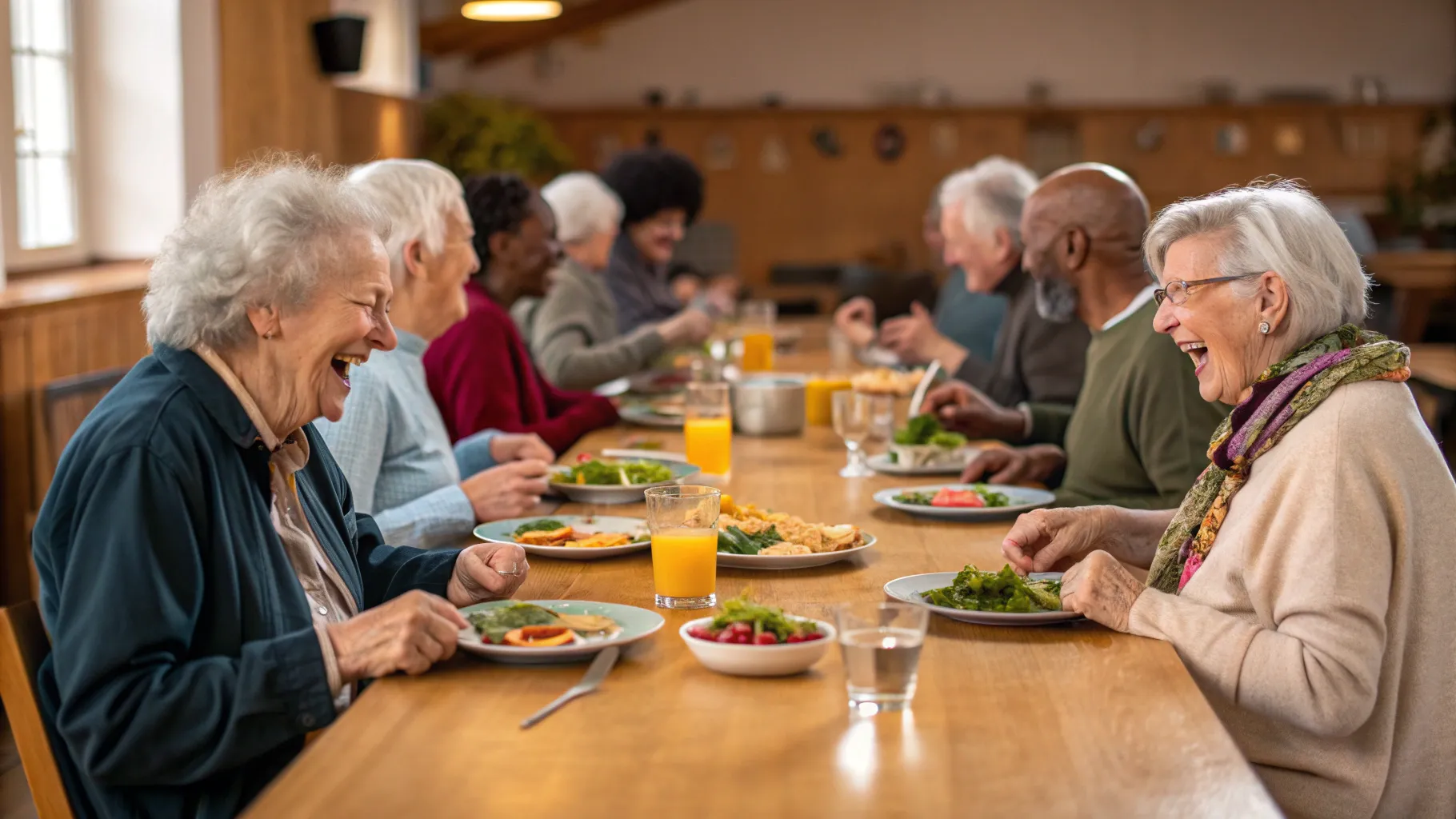
As we age, maintaining a vibrant social life is crucial for mental and emotional well-being. The simple act of sharing a meal can forge powerful connections and combat the loneliness that many older adults face. This is where the concept of weekly dinner groups for seniors shines as a beacon of community and companionship. These gatherings are not merely about food; they are about creating a regular, anticipated event that nourishes the soul as much as the body. Participating in weekly senior dinners provides a structured yet relaxed environment to meet new people, share stories, and build a supportive network of peers who understand the unique joys and challenges of this life stage. It's an opportunity to break from routine and rediscover the pleasure of dining with others.
The Overlooked Benefits of Joining Senior Dinner Groups
The advantages of joining senior dinner groups extend far beyond the dinner table. On a psychological level, these regular social appointments provide a sense of purpose and something to look forward to, significantly reducing feelings of depression and anxiety. Nutritionally, dining with others often encourages better eating habits. Many seniors living alone may lose motivation to cook balanced meals, but a group setting inspires more varied and healthful eating. Furthermore, these groups are a fantastic way to stay mentally stimulated. Engaging in conversations on diverse topics, listening to different perspectives, and simply planning to attend the event keeps the mind active. The friendships formed during these weekly senior dinners often blossom into deeper connections, providing a crucial support system for emotional, and sometimes even practical, support in daily life.
How Seniors Find Dinner Groups: A Practical Step-by-Step Guide
The question of how seniors find dinner groups is a common one, but thankfully, there are numerous avenues to explore. Finding the right fit is key to a positive experience, and a little research can go a long way. These gatherings are designed to be accessible and welcoming, and locating them is often easier than one might think. Here is a guide to help you find the perfect group:
- Check Local Senior Centers: This is often the first and best place to look. Senior centers are hubs of activity and information, and they frequently host or have information about social dinner groups for seniors in the area.
- Inquire at Community and Religious Organizations: Churches, synagogues, community halls, and local clubs are excellent resources. Many organize their own weekly dinner groups for seniors as part of their community outreach programs.
- Use Online Platforms: Websites like Meetup.com or local social media groups are invaluable tools. A simple search for 'senior dinner groups' or 'social clubs for older adults' in your city can yield many results and help you connect with organizers directly.
- Ask Your Social Circle: Word of mouth is incredibly powerful. Talk to friends, neighbors, and family. They may already be part of a group or know someone who is, providing a trusted introduction to one of the many senior dinner groups available.
What to Expect from Social Dinner Groups for Seniors
Joining a new social group can be daunting, but understanding the typical format can ease any apprehension. Most social dinner groups for seniors are casual and friendly. They can take many forms: some groups rotate hosting duties at members' homes, creating an intimate, potluck-style atmosphere. Others prefer to explore local restaurants, trying a new cuisine each week, which adds an element of culinary adventure to the social experience. Some are organized by larger institutions and held in a consistent community space. The common thread is consistency—having that set time each week for weekly senior dinners creates a reliable and comforting routine. Expect lively conversation, shared laughter, and a non-judgmental space where everyone is there for the same reason: to connect with others.
Starting Your Own Weekly Dinner Groups for Seniors
If you can't find an existing group that fits your schedule or interests, why not start one yourself? Initiating your own group can be incredibly rewarding. Start small by inviting a few neighbors or friends from a club or class you attend. You can set the tone and structure that works best for you. Decide if you want to meet at restaurants, host potlucks, or a combination. The key is to establish a regular schedule. Creating your own weekly dinner groups for seniors allows you to build a community from the ground up, centered around shared interests and mutual respect. This proactive approach not only solves the problem for you but also creates a valuable new social outlet for others in your community who are also wondering how seniors find dinner groups.
Frequently Asked Questions
How much do weekly dinner groups for seniors typically cost?
The cost varies greatly. Potluck-style groups held in homes may only cost the price of the dish you bring. Restaurant-based groups will cost the price of your meal. Some community-center-hosted senior dinner groups may be free or ask for a small donation to cover costs.
What is the best way how seniors find dinner groups in a new city?
If you're new to an area, the local Area Agency on Aging is an excellent starting point. They are specifically tasked with connecting seniors to resources. Additionally, visiting the local library and senior center will quickly connect you with information about weekly senior dinners and other social opportunities.
Are there specific types of social dinner groups for seniors based on interests?
Yes, absolutely. While many groups are general, you can often find niche social dinner groups for seniors. These might be centered around interests like book clubs that meet for dinner, groups for widows and widowers, or groups that focus on specific cuisines. Online platforms are particularly useful for finding these interest-based communities.
References
- National Institute on Aging - Social isolation and loneliness in older adults.
- Journal of Gerontology - The impact of social engagement on cognitive health.
- Community Food Security Coalition - Reports on communal dining benefits.