The Ultimate Guide to Weed Control Concentrate for a Flawless Lawn
Facts:
- Selective herbicides can target weeds without harming your grass.
- A growing trend for homeowners is using integrated lawn weed management.
Unlocking a Weed-Free Paradise with the Right Concentrate
Achieving a lush, vibrant, and perfectly manicured lawn is a goal for many homeowners, but invasive weeds can quickly turn that dream into a frustrating battle. These unwelcome plants compete with your grass for nutrients, sunlight, and water, often leading to a patchy and unhealthy-looking yard. This is where a high-quality weed control concentrate becomes an indispensable tool. Unlike ready-to-use formulas, these potent solutions offer a cost-effective and powerful approach to large-scale weed elimination, making them a top choice for serious garden weed control. By understanding how to properly select and apply these products, you can reclaim your outdoor space and ensure your lawn remains the envy of the neighborhood.
How Does Weed Control Concentrate Work?
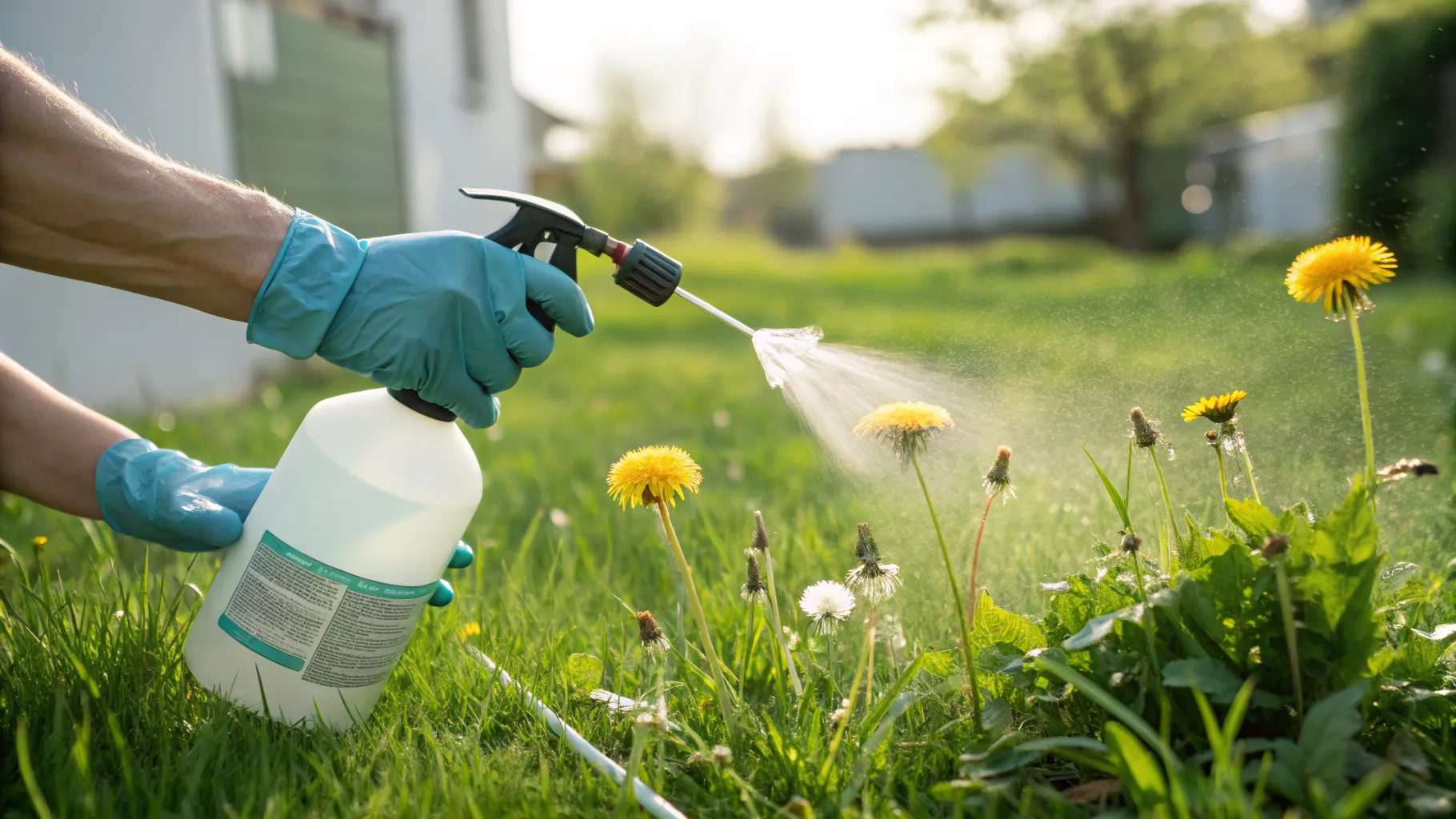
The effectiveness of any weed control concentrate lies in its active ingredients and mechanism of action. These products typically fall into two main categories: selective and non-selective. Selective herbicides are engineered to target specific types of weeds, like broadleaf plants (dandelions, clover) while leaving your desired turfgrass unharmed. This makes them ideal for broadcast applications across your entire lawn. Non-selective herbicides, on the other hand, are designed to kill any plant they contact and are best used for clearing large areas of all vegetation or for spot-treating weeds in driveways and patios. Furthermore, these weed control products can be systemic or contact-based. A systemic weed treatment concentrate is absorbed by the plant and travels through its vascular system down to the roots, ensuring a complete kill. Contact herbicides kill only the parts of the plant they touch. Understanding this distinction is crucial for effective lawn weed management.
Choosing the Best Weed Treatment Concentrate for Your Needs
With a vast array of weed control products on the market, selecting the right one can feel overwhelming. Your choice should depend on the type of weeds you have, the type of grass on your lawn, and the stage of weed growth. For established weeds, a post-emergent concentrate is necessary. For preventing new weeds from sprouting, a pre-emergent formula is the answer. Always read the label carefully to ensure the product is safe for your specific grass variety (e.g., Fescue, Bermuda, Zoysia). Consider the active ingredients; for example, products containing 2,4-D are excellent for broadleaf weeds, while those with glyphosate are powerful non-selective options. A successful garden weed control strategy often involves using a combination of products throughout the year to manage different weed life cycles effectively.
A Step-by-Step Guide to Effective Application
Proper application is key to maximizing the power of your weed control concentrate while ensuring safety. Mixing and applying these chemicals requires precision to avoid damaging your lawn or harming the environment. An effective strategy for lawn weed management is crucial for success. Follow these steps for the best results:
- Read the Label: Before doing anything, thoroughly read the product label for specific instructions on mixing ratios, safety precautions (like wearing gloves and eye protection), and application guidelines. The label is your most important resource.
- Mix Accurately: Use a dedicated garden sprayer. Fill it halfway with water first, then add the measured amount of weed treatment concentrate. Finally, add the remaining water. This prevents foaming and ensures an even mixture. Never 'eyeball' the measurements.
- Time Your Application: Apply the solution on a calm, dry day when no rain is forecast for at least 24 hours. The ideal temperature is typically between 60-85°F (15-29°C). Applying during extreme heat can stress your lawn, while wind can cause the spray to drift onto desirable plants.
- Spray Evenly: Walk at a steady pace and spray with a sweeping motion to ensure even coverage across the target area. For spot treatments, apply just enough to wet the leaves of the weed without causing runoff.
Common Mistakes in Garden Weed Control to Avoid
Even with the best weed control products, simple errors can lead to poor results or unintended damage. One of the most frequent mistakes is mowing the lawn right before or after application. You should wait at least two days before and after spraying to allow the herbicide to be fully absorbed by the weeds' leaves. Another common issue is improper concentration. Using too little weed control concentrate will be ineffective, while using too much can burn your grass and harm the soil. Lastly, be patient. Systemic herbicides can take 7-14 days or longer to show full results as the chemical works its way down to the root system. Don't be tempted to reapply too soon.
The Long-Term Benefits of Concentrated Formulas
Opting for a weed control concentrate over pre-mixed solutions provides significant long-term advantages. The primary benefit is cost-effectiveness. A single bottle of concentrate can make many gallons of spray, offering substantial savings, especially for homeowners with larger properties. This makes ongoing lawn weed management more affordable. Concentrates also require less packaging and storage space, reducing plastic waste and clutter in your garage or shed. By having a reliable weed treatment concentrate on hand, you are always prepared to tackle weed problems as soon as they arise, preventing small issues from becoming major infestations and ensuring your garden weed control efforts are consistently successful.
Frequently Asked Questions
How long does weed control concentrate take to work?
The time it takes for a weed control concentrate to work depends on the active ingredients and the type of weed. Contact herbicides may show results within hours, causing wilting and browning. Systemic herbicides, which target the root, can take 7 to 14 days or even longer to completely kill the plant.
Is weed control concentrate safe for pets and children?
It is crucial to keep pets and children off the treated area until the spray has completely dried. Always follow the specific safety instructions on the product label. Many weed control products are safe once dry, but reading the manufacturer's guidelines is non-negotiable for ensuring safety.
Can I use garden weed control concentrate on my vegetable garden?
Most standard lawn weed killers should not be used in or near vegetable gardens, as they can harm your edible plants or render them unsafe for consumption. Look for weed control products specifically formulated and labeled as safe for use around vegetables and edibles.
References
- University of California Agriculture & Natural Resources - Weed Management
- Purdue University Extension - Turfgrass Weed Control
- Environmental Protection Agency - Herbicide Safety Guidelines
- Journal of Agricultural and Food Chemistry - Herbicide Efficacy Studies