Effective Ways to Remove Weeds from Lawn for a Healthier Yard
Facts:
- A single dandelion can produce up to 15,000 seeds.
- Organic lawn care is a growing trend for homeowners.
Achieving a Weed-Free Lawn: A Comprehensive Guide
Maintaining a lush, green lawn is a point of pride for many homeowners, but invasive weeds can quickly turn that dream into a frustrating battle. Understanding the various ways to remove weeds from lawn is the first step toward reclaiming your turf. Effective lawn weed control is not a one-time task but an ongoing process that combines immediate action with long-term prevention. Whether you prefer manual, chemical, or organic approaches, a strategic plan is essential for success. This guide will explore the most effective techniques to ensure your grass remains healthy and weed-free throughout the year.
Manual and Mechanical Weed Removal Methods
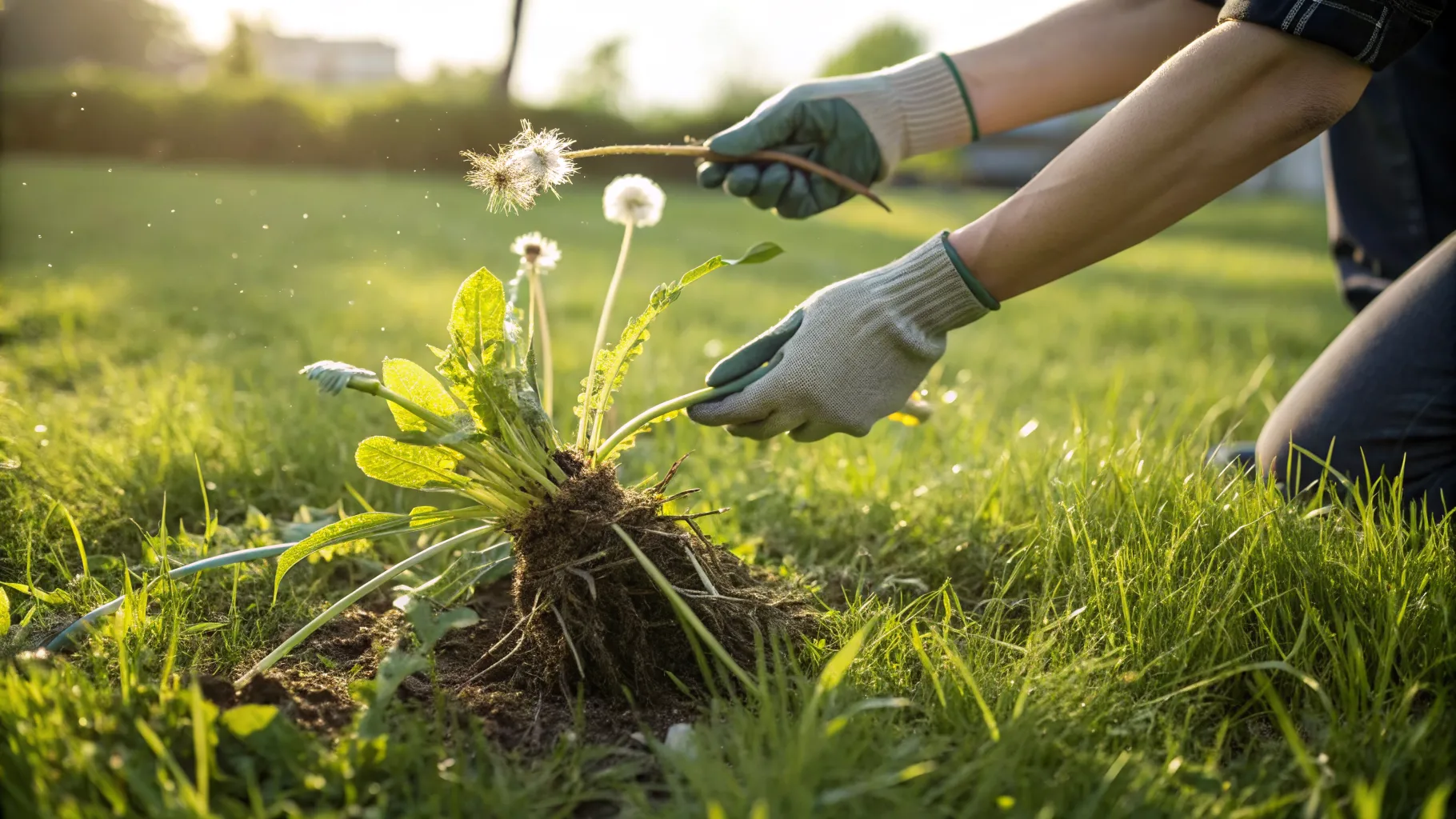
For those who prefer a hands-on approach, manual and mechanical methods are highly effective, especially for smaller infestations or for homeowners avoiding chemicals. These techniques target individual plants, ensuring minimal disturbance to the surrounding grass. While labor-intensive, these weed removal methods provide immediate satisfaction and are environmentally friendly. They are particularly effective against annual weeds with shallow root systems and larger, more visible perennial weeds like dandelions and plantain.
Hand-Pulling: The Classic Approach
The simplest method of removing weeds from grass is pulling them by hand. This technique is most effective after a good rainfall or deep watering, as the moist soil makes it easier to extract the entire root system. Grasp the weed at its base and pull steadily to avoid breaking the stem, which can allow the weed to regrow from the remaining root. This is ideal for scattered weeds and provides an excellent opportunity to inspect your lawn up close. While it requires patience, it is a precise and non-toxic solution for any lawn.
Using Specialized Weeding Tools
A variety of tools can make manual weeding less strenuous and more effective. Stand-up weeders allow you to pull weeds without bending over, using a foot pedal and claws to grip and extract the root. A garden hoe is useful for scraping away young, shallow-rooted weeds in larger areas, though care must be taken not to damage the grass. For tougher weeds with deep taproots, a forked weeder or dandelion digger can be used to pry them from the ground, ensuring the entire root is removed. These tools are a great investment for serious lawn care and weed management.
Chemical Solutions for Lawn Weed Control
When manual methods are impractical due to the size of the infestation, chemical herbicides offer a powerful solution. It is crucial to choose the right product and apply it correctly to protect your grass and the environment. Proper application is a cornerstone of effective lawn weed control. Always read the label instructions carefully, wear protective gear, and apply on a calm, dry day to prevent drift.
Selective Herbicides
Selective herbicides are designed to target specific types of weeds, such as broadleaf plants (like dandelions and clover), without harming the surrounding grass. They are one of the most popular ways to remove weeds from lawn because of their efficiency. These are available in both liquid and granular forms. Liquid versions are often used for spot-treating individual weeds, while granular products are typically applied to the entire lawn with a spreader for widespread control.
Non-Selective Herbicides
Non-selective herbicides, such as those containing glyphosate, will kill any plant they contact, including your lawn grass. Their use on a lawn should be limited to very specific situations, like spot-treating stubborn weeds in pavement cracks or preparing a section of the lawn for a complete reseeding. Extreme caution is necessary to avoid overspray onto desirable grass and plants.
Organic and Natural Weed Removal Methods
For an eco-friendly approach, several organic weed removal methods can be employed. These methods prioritize soil health and safety for children and pets. While they may require more frequent application than their chemical counterparts, they are an integral part of sustainable lawn care and weed management. They work by altering soil conditions or directly killing the plant through non-toxic means.
Corn Gluten Meal
Corn gluten meal is a natural pre-emergent herbicide. When applied in early spring before weed seeds germinate, it inhibits root formation in seedlings. As a bonus, it is high in nitrogen, acting as a slow-release fertilizer for your lawn. This dual-action product is an excellent choice for a long-term, organic lawn weed control strategy, helping to build a thick turf that naturally crowds out new weeds.
Vinegar Solutions
Household vinegar contains acetic acid, which can burn the foliage of weeds. However, it is non-selective and can damage grass as well. It is most effective on young weeds and may not kill the roots of established perennials, requiring repeat applications. It's best used for spot-treating weeds in sidewalk cracks rather than as a widespread solution for removing weeds from grass.
Proactive Lawn Care and Weed Management
The most effective strategy against weeds is prevention. A thick, healthy, and vigorous lawn is the best defense, as it leaves little room for weeds to establish themselves. Proactive lawn care and weed management focuses on creating optimal growing conditions for your grass, making it naturally resistant to weed invasion.
- Mow High: Set your mower to a higher cutting height (around 3 inches). Taller grass blades create a canopy that shades the soil, preventing weed seeds from getting the sunlight they need to germinate. It also encourages deeper root growth in grass.
- Water Deeply and Infrequently: Watering deeply once or twice a week encourages your grass to develop deep, drought-resistant roots. Frequent, shallow watering creates a perfect environment for shallow-rooted weeds like crabgrass.
- Aerate and Overseed: Compacted soil stresses grass and creates an opening for weeds. Annual core aeration relieves compaction, allowing water and nutrients to reach the roots. Overseeding in the fall helps fill in thin or bare spots, thickening the turf and crowding out potential weeds.
- Fertilize Properly: A well-fed lawn is a strong lawn. Following a regular fertilization schedule based on your grass type provides the necessary nutrients for dense growth, which is a key component of the best ways to remove weeds from lawn preventatively.
Frequently Asked Questions
What are the most effective ways to remove weeds from lawn without killing the grass?
The most effective methods that spare your grass include manual hand-pulling after rain, using a stand-up weeder for deep-rooted weeds, and applying a selective broadleaf herbicide. Selective herbicides are specifically formulated to target common lawn weeds like dandelions and clover while leaving the turfgrass unharmed.
When is the best time for effective lawn weed control?
The best time for weed control is typically in the fall. Weeds like dandelions are actively transporting nutrients to their roots to survive winter, so a fall herbicide application is more effectively absorbed and kills the entire plant. Early spring is another crucial time to apply pre-emergent herbicides to prevent seeds like crabgrass from germinating.
Is manual removing weeds from grass better than using chemicals?
Whether manual removal is 'better' depends on the situation and your goals. Manual removal is 100% eco-friendly, safe for pets and kids, and very effective for small-scale infestations. Chemical control is faster and more practical for large, widespread weed problems. Often, the best approach combines both methods as part of a comprehensive lawn care and weed management plan.
References
- University Extension Office Lawn Care Guides
- National Gardening Association Publications
- Journal of Integrated Pest Management
- Organic Lawn Care and Maintenance Manuals