Effective Ways to Remove Weeds from Lawn for a Pristine Yard
Facts:
- Broadleaf weeds are the most common lawn invaders.
- Consistent lawn care is the top trend for weed prevention.
Achieving a Flawless Lawn: Your Ultimate Guide to Weed Removal
A lush, green lawn is the centerpiece of many homes, but invasive weeds can quickly turn that dream into a frustrating battle. Understanding the various ways to remove weeds from lawn is the first step towards reclaiming your turf. Effective lawn weed control is not just about a single action but a comprehensive strategy that combines immediate removal with long-term prevention. Whether you prefer manual, organic, or chemical approaches, there are multiple techniques for removing weeds from grass that can restore the health and beauty of your yard. This guide will explore the most effective weed removal methods to ensure your lawn remains a vibrant, welcoming space.
Manual Weed Removal Techniques: The Hands-On Approach
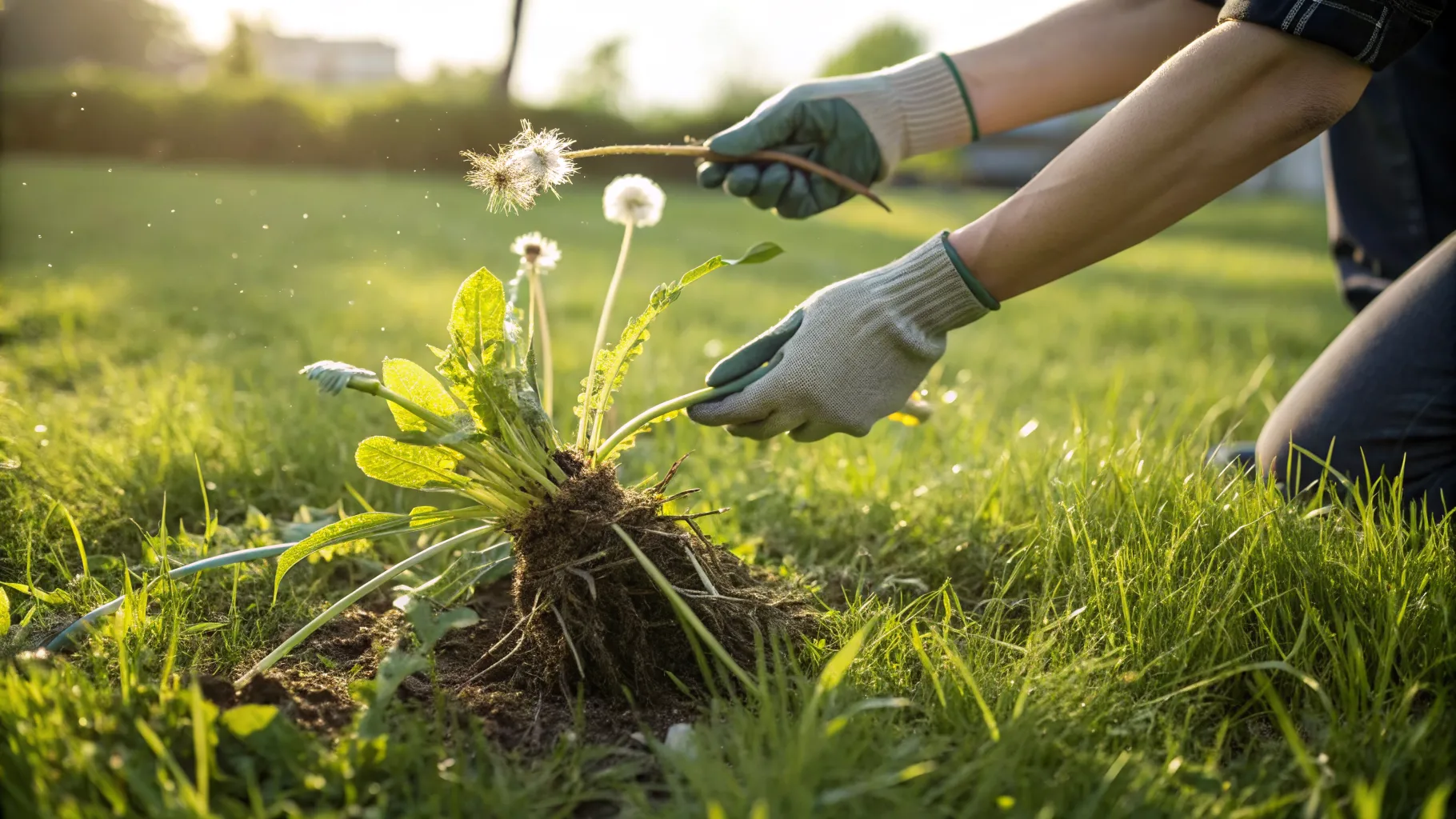
For those who prefer a direct and chemical-free method, manual weed removal is highly effective, especially for smaller infestations or larger, easily identifiable weeds like dandelions and thistles. This is one of the most fundamental ways to remove weeds from lawn. The key to success is to remove the entire plant, including the root system. If the root breaks off, the weed will likely regrow. The best time to pull weeds is after a light rain when the soil is soft and moist, which makes extraction easier. Using a pair of gardening gloves can protect your hands and improve your grip. For more stubborn weeds, specific tools can make the job much simpler. A long-handled weeding fork or a specialized dandelion puller can provide the leverage needed to extract deep taproots without disturbing the surrounding turf. This method of removing weeds from grass is not only precise but also provides immediate results, offering a satisfying way to maintain your lawn.
Natural and Organic Weed Control Solutions
For homeowners seeking environmentally friendly weed removal methods, several natural and organic options are available. These methods are excellent for targeted application and are safer for children, pets, and the local ecosystem. One popular technique involves using boiling water, which can be poured directly onto weeds growing in cracks in driveways or patios. The intense heat scalds the plant, killing it within a day or two. Another common method is a solution of household vinegar (acetic acid), which acts as a natural desiccant, drawing moisture out of the weed's leaves. For this to be effective, higher concentrations of acetic acid are often needed, and care must be taken to avoid spraying desirable plants. Corn gluten meal is another powerful tool in organic lawn care and weed management; it acts as a pre-emergent, inhibiting the germination of weed seeds without harming existing grass. Applying it in early spring is a proactive step in your annual lawn weed control plan.
Chemical Herbicides: A Targeted and Efficient Strategy
When dealing with widespread or persistent weed infestations, chemical herbicides can be the most efficient solution. It's a critical component in the arsenal of ways to remove weeds from lawn, but it requires careful handling. Herbicides are generally categorized as pre-emergent or post-emergent. Pre-emergent herbicides are applied before weed seeds germinate, creating a chemical barrier in the soil. Post-emergent herbicides are used to kill weeds that have already sprouted. Furthermore, they can be selective (targeting specific types of weeds without harming the grass) or non-selective (killing any plant they contact). When choosing a chemical solution for removing weeds from grass, always read the label carefully to ensure it is appropriate for your grass type and the specific weeds you are targeting. Proper application, following all safety guidelines, is paramount for effective and responsible lawn weed control.
Proactive Lawn Care for Long-Term Weed Prevention
The most effective long-term strategy for a weed-free yard is to cultivate a thick, healthy lawn that naturally crowds out and prevents weeds from taking root. This is the cornerstone of effective lawn care and weed management. Several key practices contribute to a robust turf. Mowing at the proper height for your grass type (usually 2.5 to 3 inches) allows the grass blades to shade the soil, preventing weed seeds from getting the sunlight they need to germinate. Watering deeply but infrequently encourages the grass to develop a deep, strong root system, making it more resilient and competitive against weeds. Annual aeration helps reduce soil compaction, allowing water, air, and nutrients to reach the grassroots. Following aeration with overseeding fills in bare or thin patches, leaving no room for weeds to establish themselves. These proactive steps are crucial weed removal methods in their own right, creating an environment where grass thrives and weeds struggle.
Comparing the Best Weed Removal Methods
Choosing the right approach from the many ways to remove weeds from lawn depends on the type of weed, the extent of the infestation, and your personal preferences. Manual pulling is best for isolated weeds and provides instant gratification but can be labor-intensive. Organic methods like vinegar or boiling water are great for targeted spots and are eco-friendly but may require multiple applications and can be less effective on weeds with deep roots. Chemical herbicides offer a powerful and efficient solution for widespread problems, but they require careful selection and application to protect your lawn and the environment. Ultimately, the most successful lawn care and weed management plan often involves an integrated approach. For instance, you might use a pre-emergent herbicide in the spring, manually pull any weeds that break through during the summer, and focus on improving lawn density through proper mowing and watering all year. Combining these strategies for removing weeds from grass will yield the best long-term results.
Frequently Asked Questions
What is the most effective method for lawn weed control?
The most effective method for lawn weed control is an integrated approach that combines proactive lawn health with targeted removal. Fostering a dense, healthy lawn by mowing high, watering deeply, and aerating is the best defense. For existing weeds, combining manual pulling for larger plants with selective, post-emergent herbicides for widespread issues is a highly effective strategy.
How often should I be removing weeds from grass?
The frequency of removing weeds from grass depends on the season and the severity of your weed problem. During peak growing seasons (spring and summer), you may need to check for and remove weeds weekly. A consistent routine is more manageable than letting weeds get out of control and then trying to tackle a major infestation. Regular maintenance is a key part of any successful lawn care and weed management program.
Can natural weed removal methods be as effective as chemicals?
Yes, natural weed removal methods can be very effective, especially for specific situations. Boiling water is excellent for weeds in pavement cracks, and corn gluten meal is a proven pre-emergent. However, they may require more frequent application and may not be as potent against perennial weeds with extensive root systems. For large, established infestations, chemicals often provide a quicker, more comprehensive solution.
References
- University of Maryland Extension - Lawn Weed Control
- The Old Farmer's Almanac - Controlling Weeds in Your Lawn
- Purdue University Extension - Turfgrass Weed Control for Professionals