Effective Ways to Remove Weeds from Lawn for a Healthier Yard
Facts:
- Dandelions can produce up to 15,000 seeds per plant.
- A major trend is the rise of organic lawn care and weed management.
Achieving a Pristine, Weed-Free Lawn: A Comprehensive Guide
A lush, green lawn is the centerpiece of many homes, but invasive weeds can quickly turn that dream into a frustrating reality. The battle against unwanted plants is ongoing, but with the right knowledge and techniques, you can reclaim your turf. Understanding the various ways to remove weeds from lawn is the first step towards effective and long-lasting lawn weed control. Whether you prefer a hands-on approach, organic solutions, or chemical intervention, a strategic plan is essential. This guide will explore the most effective weed removal methods, ensuring your efforts in removing weeds from grass result in a healthy, vibrant lawn you can be proud of.
Manual and Mechanical Weed Removal Methods
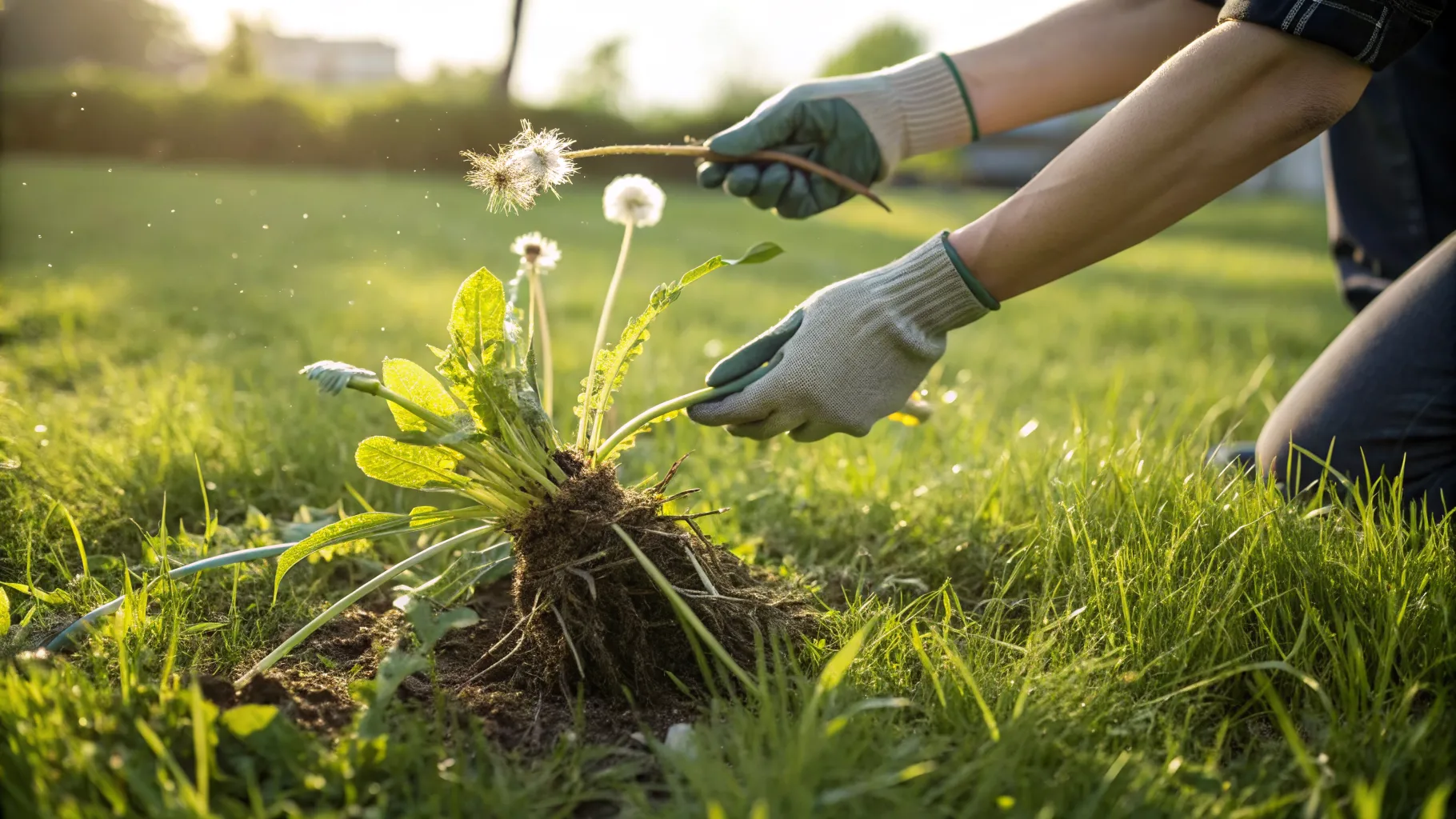
For those who prefer a physical approach, manual and mechanical methods are highly effective, especially for smaller infestations. These techniques for removing weeds from grass are environmentally friendly and provide immediate results. The key to success is consistency and ensuring you remove the entire plant, including the root system, to prevent regrowth. This is a fundamental aspect of proactive lawn care and weed management.
Hand-Pulling Weeds
The most straightforward of all weed removal methods is pulling them by hand. This is most effective after a light rain when the soil is moist and soft, allowing the entire root to be extracted more easily. Grip the weed at its base and pull steadily to avoid breaking the stem. This is ideal for shallow-rooted weeds like crabgrass and is a critical skill for any homeowner practicing hands-on lawn weed control.
Using Specialized Weeding Tools
For deep-rooted weeds like dandelions, a tool can be a back-saver. A long-handled stand-up weeder allows you to pry out the weed and its taproot without kneeling. A garden hoe is excellent for scraping away young, annual weeds from larger areas before they establish themselves. These tools make the physical ways to remove weeds from lawn much more efficient and less strenuous.
Natural and Organic Solutions for Lawn Weed Control
For an eco-conscious approach, several natural solutions can manage weed populations without resorting to synthetic chemicals. These methods are safer for pets, children, and the local ecosystem. Effective organic lawn care and weed management focuses on creating an environment where grass thrives and weeds struggle.
Boiling Water Application
A simple yet potent technique for killing weeds on contact is applying boiling water. This method is best for weeds in cracks of driveways or patios but can be used sparingly on lawns for spot treatment. The extreme heat destroys the plant's cell structure, causing it to wither and die. Be aware that it will also kill any grass it touches, so precision is key. It's one of the most direct weed removal methods available.
Vinegar (Acetic Acid) Solutions
Horticultural vinegar, with a higher concentration of acetic acid than household vinegar, acts as a natural, non-selective herbicide. It works by burning the foliage of the plant. It is most effective on young weeds and may require multiple applications for more established ones. When considering natural ways to remove weeds from lawn, a vinegar solution is a popular DIY choice.
Corn Gluten Meal as a Pre-Emergent
Corn gluten meal is a byproduct of the corn milling process that acts as a natural pre-emergent herbicide. It inhibits root formation in germinating seeds. Apply it in early spring before weeds like crabgrass begin to sprout. It's an excellent preventative strategy for long-term lawn weed control and also adds nitrogen to the soil.
Chemical Herbicides: When and How to Use Them Safely
Sometimes, a weed infestation is too severe for manual or natural methods alone. In these cases, chemical herbicides can be an effective part of your lawn weed control plan. It's crucial to choose the right product and apply it correctly to protect your grass, yourself, and the environment. Understanding the difference between pre-emergent and post-emergent herbicides is fundamental to successful lawn care and weed management.
Pre-Emergent Herbicides
These products are preventative. They create a chemical barrier in the soil that stops weed seeds from germinating. Timing is critical; they must be applied before weeds sprout, typically in early spring and fall. This is a proactive way of removing weeds from grass before they even become visible.
Post-Emergent Herbicides
These are used to kill existing weeds that are actively growing. They can be selective (targeting specific types of weeds without harming the grass) or non-selective (killing any plant they contact). Always read the label to ensure the product is safe for your grass type and targets the specific weeds you have. This reactive approach is one of the most common ways to remove weeds from lawn.
Preventative Lawn Care and Weed Management Strategies
The best defense against weeds is a thick, healthy lawn. A dense turf crowds out weeds, preventing them from getting the sunlight and space they need to grow. Proactive lawn care and weed management is always more effective than reactive treatments.
- Mow High: Set your mower to a higher setting (around 3-4 inches). Taller grass blades create shade, which helps prevent weed seeds from germinating.
- Water Deeply and Infrequently: Watering deeply encourages grass to develop deep roots, making it more resilient. Infrequent watering allows the soil surface to dry out, which discourages shallow-rooted weeds.
- Aerate and Overseed: Aerating compacted soil allows water, air, and nutrients to reach the grassroots. Overseeding in the fall helps fill in bare patches, leaving less room for weeds to establish. This is a core practice for effective lawn weed control.
- Improve Soil Health: Test your soil's pH and nutrient levels. A well-fertilized lawn with balanced soil chemistry is the foundation for healthy grass that can outcompete weeds.
Comparing Weed Removal Methods: What's Best for You?
Choosing the right approach from the many ways to remove weeds from lawn depends on your situation, philosophy, and the severity of your weed problem. Manual methods are immediate and satisfying but labor-intensive. Natural solutions are eco-friendly but may require more patience and repeat applications. Chemical herbicides offer powerful and often quick results but come with risks and require careful handling. Often, the most effective strategy for lawn care and weed management involves an integrated approach, combining preventative cultural practices like proper mowing with targeted weed removal methods, whether that means pulling a few dandelions by hand or spot-treating a stubborn patch of clover. The ultimate goal is to create a lawn so healthy that it becomes its own best defense against weeds.
Frequently Asked Questions
What is the best time of year for lawn weed control?
The best time for lawn weed control depends on the type of weed. Early spring is ideal for applying pre-emergent herbicides to prevent summer annuals like crabgrass. Fall is the best time to control perennial broadleaf weeds like dandelions, as they are actively transporting nutrients to their roots, making herbicides more effective.
How can I identify the weeds in my lawn?
Identifying weeds is crucial for choosing the right weed removal methods. Common lawn weeds include dandelions (yellow flowers, deep taproot), crabgrass (grows in clumps, low to the ground), and clover (three-leaf pattern). You can use plant identification apps or consult local university extension service guides for help.
Are organic ways to remove weeds from lawn as effective as chemicals?
Organic ways to remove weeds from lawn can be very effective but often require more persistence and correct timing than chemical options. Methods like using corn gluten meal for prevention and manual pulling for existing weeds are core components of a successful organic lawn care and weed management program. Their effectiveness builds over time as lawn health improves.
References
- University of Maryland Extension - Lawn Weed Control
- The Old Farmer's Almanac - Weed Control Guide
- Purdue University Extension - Turfgrass Science