Proven Ways to Remove Weeds from Lawn for a Flawless Yard
Facts:
- Broadleaf weeds are often easiest to control in the fall.
- A popular trend in lawn care and weed management is using organic, pet-safe alternatives.
Mastering Lawn Purity: A Comprehensive Guide to Effective Weed Eradication
Achieving a lush, green, and uniform lawn is a common goal for homeowners, but invasive weeds can quickly turn that dream into a frustrating battle. Understanding the various ways to remove weeds from lawn is the first step towards reclaiming your turf. Effective lawn care and weed management involves more than just pulling a few unwanted plants; it requires a strategic approach that combines immediate action with long-term prevention. Whether you're dealing with stubborn dandelions or creeping crabgrass, implementing the right weed removal methods will not only restore your lawn's beauty but also improve its overall health and resilience against future invasions.
Manual and Mechanical Weed Removal Methods
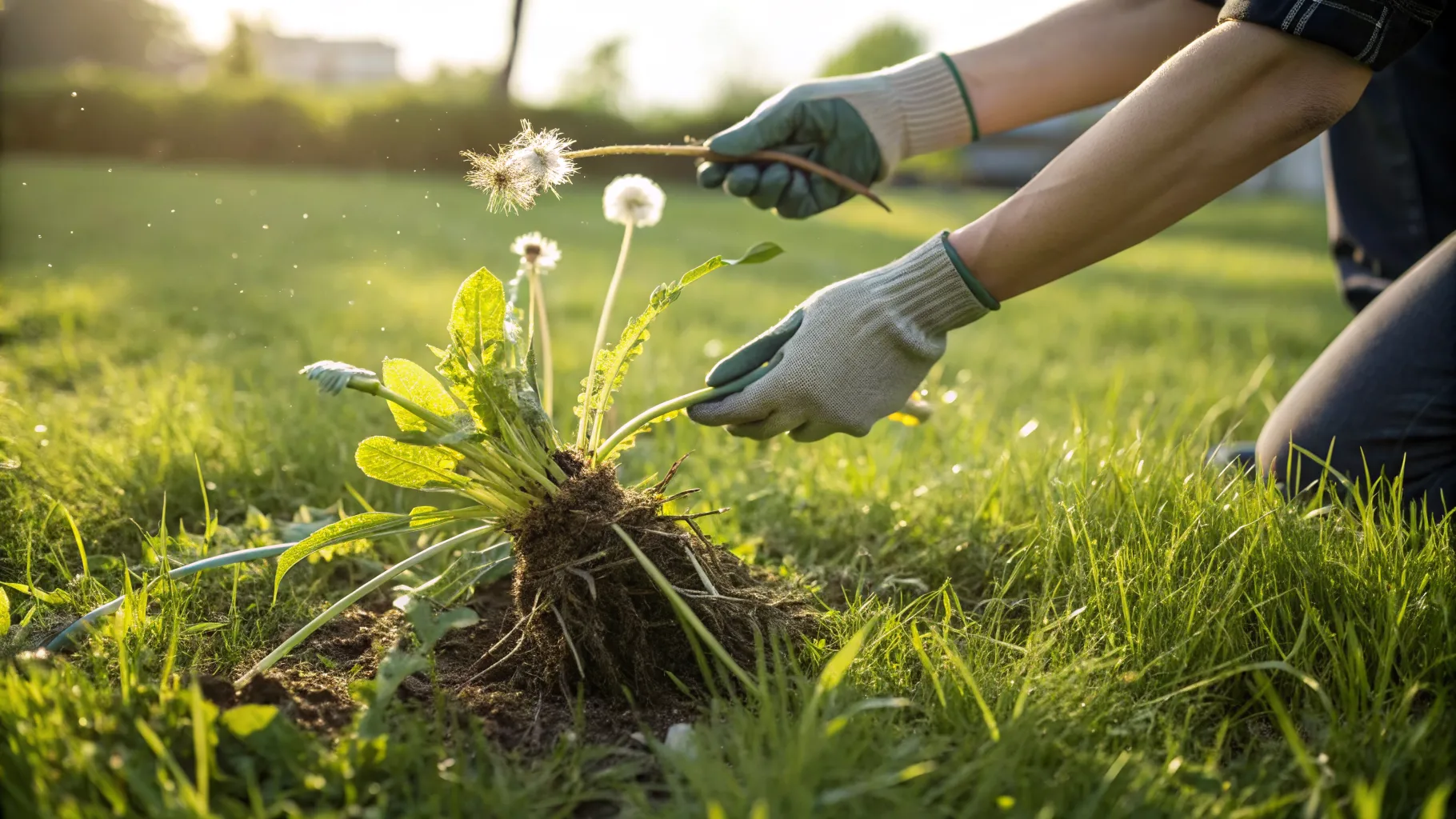
One of the most direct ways to remove weeds from lawn is through manual or mechanical extraction. This hands-on approach is highly effective for smaller infestations or for homeowners who prefer to avoid chemicals. Hand-pulling is most successful after a good rain or watering, as the moist soil releases the roots more easily. It's crucial to grab the weed by its base and pull steadily to ensure the entire root system is extracted. For deep-rooted weeds like dandelions, a specialized tool such as a dandelion weeder or a garden fork can be invaluable. These tools are designed for removing weeds from grass with minimal disturbance to the surrounding turf. While labor-intensive, these manual weed removal methods offer immediate satisfaction and are an excellent, eco-friendly component of any lawn care and weed management plan.
Chemical Solutions for Targeted Lawn Weed Control
When manual methods are impractical due to the scale of the infestation, chemical herbicides offer a powerful solution for lawn weed control. It's essential to understand the difference between selective and non-selective herbicides. Selective herbicides are formulated to target specific types of weeds (like broadleaf weeds) without harming the surrounding grass, making them ideal for broadcast application over the entire lawn. Non-selective herbicides, on the other hand, will kill any plant they contact and should only be used for spot treatments or clearing large areas before seeding. Herbicides are also categorized as pre-emergent, which prevents weed seeds from germinating, and post-emergent, which kills existing weeds. For a successful chemical strategy, always read the label carefully, apply at the correct time of year, and follow all safety precautions. This method is one of the most efficient ways to remove weeds from lawn on a larger scale.
Natural and Organic Approaches to Removing Weeds from Grass
For those seeking environmentally friendly alternatives, several natural weed removal methods can be highly effective. Boiling water can be poured directly onto weeds in cracks or on patios to scald and kill them instantly, though care must be taken to avoid desirable plants. A solution of horticultural vinegar (with a higher acetic acid concentration than household vinegar) can act as a natural, non-selective herbicide, burning the foliage of weeds on contact. Another popular organic strategy in modern lawn care and weed management is the application of corn gluten meal. When applied in early spring, it acts as a pre-emergent, inhibiting the root formation of germinating seeds. While these organic ways to remove weeds from lawn may require more frequent application than their chemical counterparts, they are safer for pets, children, and local ecosystems.
Proactive Lawn Care and Weed Management for Long-Term Success
The most effective strategy for a weed-free lawn is prevention. A thick, healthy turf is the best defense, as it naturally crowds out weeds and prevents their seeds from finding soil and sunlight. This is the cornerstone of successful lawn care and weed management. Key practices include mowing high; keeping your lawn at a height of 3-4 inches encourages deep root growth and shades the soil. Water deeply but infrequently to promote strong turf roots that can outcompete shallow-rooted weeds. Regular fertilization provides the necessary nutrients for dense growth. Finally, aerating and overseeding annually can fill in bare patches where weeds are most likely to take hold. By focusing on lawn health, you create an environment where grass thrives and weeds struggle, significantly reducing the need for intensive weed removal methods.
Comparing Weed Removal Methods: Which is Right for You?
Choosing the best among the many ways to remove weeds from lawn depends on several factors, including the type and extent of your weed problem, your lawn size, and your personal philosophy on chemical use. Manual pulling is ideal for small, manageable patches and for those who prioritize organic gardening. It is precise but can be time-consuming. Chemical lawn weed control is fast and efficient for widespread issues but requires careful handling and understanding of the products used. Natural and organic methods are perfect for families with pets and children but may demand more persistence and repeat treatments. Ultimately, the most successful approach to removing weeds from grass often involves an integrated pest management (IPM) strategy, combining proactive lawn care and weed management with a targeted use of various weed removal methods as needed.
Frequently Asked Questions
When is the best time for effective lawn weed control?
The best time for effective lawn weed control is typically in the early fall. During this period, perennial weeds are actively transferring energy to their roots for winter survival, which means they will readily absorb post-emergent herbicides down to the root. Early spring is also a critical time to apply pre-emergent herbicides to prevent seeds like crabgrass from germinating.
What are the most common mistakes in removing weeds from grass?
One of the biggest mistakes is mowing the grass too short, which weakens the turf and gives weed seeds the sunlight they need to sprout. Another common error is applying the wrong type of herbicide for your grass type, which can damage or kill your lawn. Lastly, when using manual weed removal methods, simply pulling the top of the weed off and leaving the root in the ground is a frequent mistake, as many weeds can regenerate from small root fragments.
References
- University Agricultural Extension Programs - Lawn Care Guides.
- National Gardening Association - Weed Identification and Control.
- Peer-reviewed journals on Turfgrass Science and Management.