Warning Signs of Colitis: Key Symptoms Explained
Facts:
- Colitis affects millions of people globally.
- Early detection is crucial for managing bowel inflammation signs effectively.
Decoding Your Body: The Earliest Colitis Warning Signs
Recognizing the early signals your body sends is paramount when dealing with potential inflammatory conditions of the gut. Many individuals dismiss initial discomfort, but understanding the specific colitis warning signs can lead to faster diagnosis and more effective management. If you find yourself asking, 'do i have colitis?', this guide provides a comprehensive breakdown of the key indicators. We will delve deep into how these colitis symptoms explained here differ from common stomach ailments, giving you the clarity needed to take the next steps. Ignoring persistent symptoms can lead to complications, making education on this topic a critical first line of defense for your long-term health.
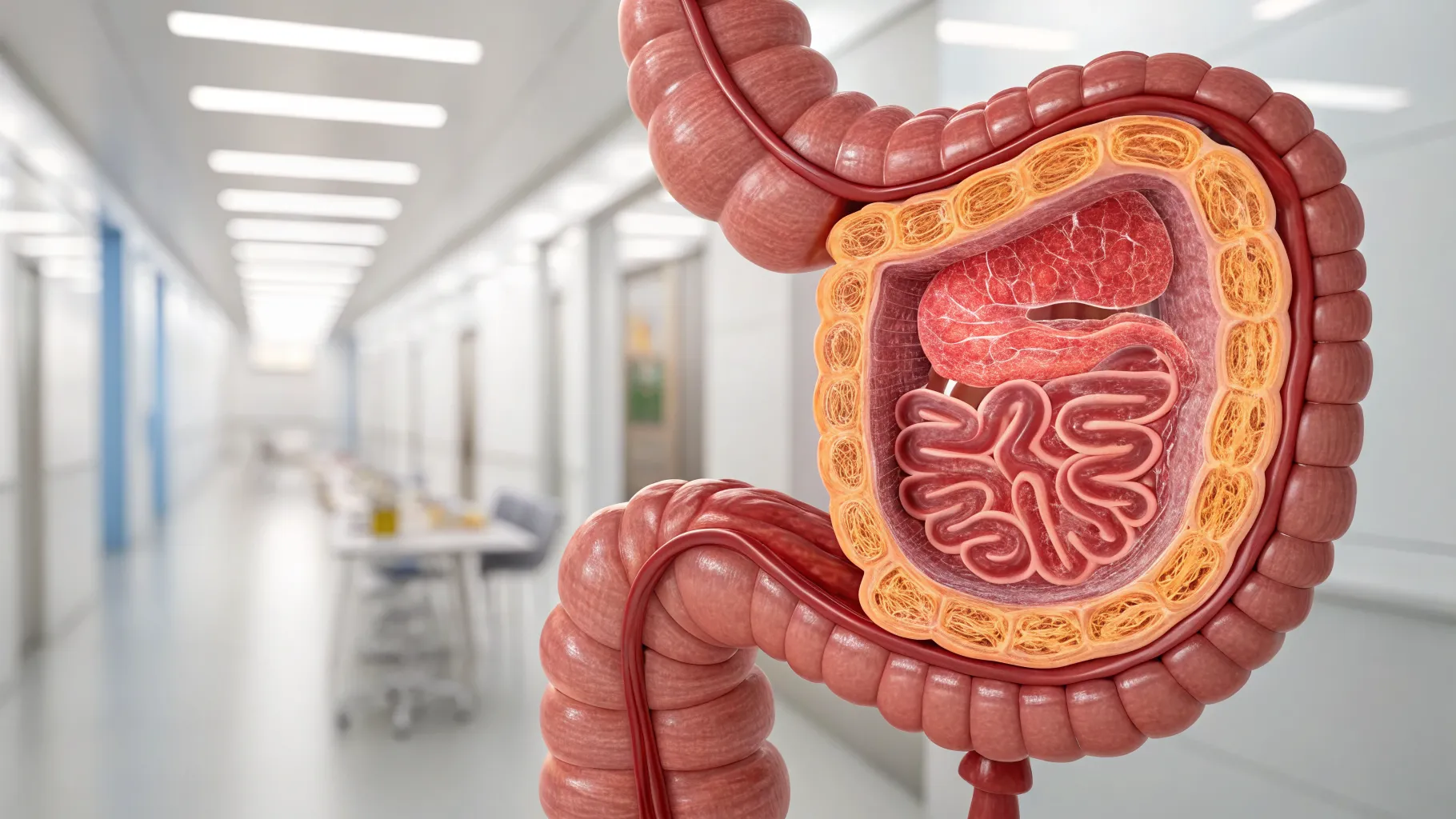
The Primary Red Flags: Common Ulcerative Colitis Symptoms
While colitis presents in various forms, certain symptoms are hallmark indicators of inflammation in the colon. These are not fleeting issues but persistent problems that disrupt daily life. Paying close attention to these primary ulcerative colitis symptoms is essential. One of the most common and telling signs is persistent diarrhea, often accompanied by blood or pus. This is a direct result of the inflamed colon's inability to absorb water properly. Abdominal pain and cramping are also frequent, typically located in the lower left side, but can occur anywhere in the abdomen. This pain is different from a typical stomach ache; it's often more severe and relentless. Another critical indicator is rectal bleeding, which should never be ignored. Seeing bright red blood in the stool is a significant warning that requires immediate medical evaluation. The combination of these symptoms strongly points towards the need for a professional diagnosis to understand the underlying bowel inflammation signs.
Beyond the Gut: Systemic Bowel Inflammation Signs
Colitis is not just a disease of the colon; its inflammatory nature can have a ripple effect throughout the body. These are known as extra-intestinal manifestations and are critical bowel inflammation signs to recognize. Chronic inflammation can trigger a systemic response, leading to symptoms far from the digestive tract. Many patients report significant fatigue that isn't relieved by rest, a direct consequence of the body fighting ongoing inflammation and potential nutrient malabsorption. Joint pain, particularly in the large joints like the knees, ankles, and wrists, is another common systemic symptom. Skin problems, such as painful red bumps or sores, can also appear. In some cases, individuals may experience eye inflammation, causing redness, pain, and blurred vision. These widespread symptoms underscore that colitis is a complex condition, and a full picture of all potential colitis warning signs is necessary for a complete diagnosis.
Colitis Symptoms Explained: When to Seek Medical Attention
The question of 'do i have colitis?' often becomes urgent when symptoms escalate. It's crucial to know when self-monitoring should transition to seeking professional medical help. You should consult a doctor if you experience diarrhea that lasts for more than a few days, especially if it is bloody or wakes you up at night. Unexplained weight loss, persistent abdominal pain that doesn't resolve, and a consistent feeling of urgency to have a bowel movement are all significant red flags. If you notice any of the systemic bowel inflammation signs, such as joint pain or skin rashes, in conjunction with digestive issues, it's a strong indicator that an underlying inflammatory process is at play. Having the colitis symptoms explained by a gastroenterologist is the only way to get an accurate diagnosis and begin a treatment plan tailored to your specific condition, whether it's ulcerative colitis or another form of IBD.
Differentiating Colitis From Other Digestive Issues
Many digestive disorders share overlapping symptoms, making it difficult to self-diagnose. For instance, Irritable Bowel Syndrome (IBS) can cause cramping and changes in bowel habits, but it does not cause the inflammation or rectal bleeding associated with ulcerative colitis symptoms. Infectious colitis, caused by bacteria like C. difficile, can cause bloody diarrhea but is typically acute and resolves with treatment. Crohn's disease, another form of IBD, shares many colitis warning signs but can affect any part of the gastrointestinal tract from mouth to anus, whereas ulcerative colitis is restricted to the large intestine. A medical professional uses a combination of blood tests, stool samples, and imaging procedures like a colonoscopy to visualize the colon lining and confirm the specific bowel inflammation signs, leading to a definitive diagnosis.
Actionable Steps for Managing Potential Colitis Symptoms
If you suspect you are experiencing signs of colitis, taking proactive steps can help you and your doctor navigate the diagnostic process more effectively. Vague complaints are difficult to diagnose, so providing clear, detailed information is key. Here are some actionable steps to take:
- Keep a Detailed Symptom Diary: Document the frequency and nature of your bowel movements, instances of pain, bleeding, and any foods that seem to trigger your symptoms. This provides invaluable data for your doctor and can help identify patterns related to your colitis warning signs.
- Consult a Gastroenterologist: While a primary care physician is a good starting point, a specialist in digestive diseases (a gastroenterologist) has the expertise to accurately diagnose and manage conditions like colitis. Don't hesitate to seek a specialist's opinion.
- Prepare for Diagnostic Tests: Understand that diagnosing colitis often requires specific tests, including a colonoscopy with biopsies. This procedure allows the doctor to see the inflammation directly and rule out other conditions, providing a clear answer to the 'do i have colitis?' question.
- Discuss Your Diet Openly: While diet doesn't cause colitis, certain foods can exacerbate ulcerative colitis symptoms during a flare-up. Discussing your eating habits can help your doctor recommend dietary modifications that may offer some relief.
Frequently Asked Questions
What are the first colitis warning signs?
The earliest colitis warning signs often include a gradual change in bowel habits, such as persistent diarrhea that may contain blood or mucus. Mild abdominal cramping and an increased urgency to use the restroom are also common initial symptoms that should not be ignored.
Can stress cause ulcerative colitis symptoms?
While stress does not cause colitis, it can be a significant trigger for flare-ups. Many people with diagnosed colitis find that their ulcerative colitis symptoms worsen during periods of high emotional or physical stress. Managing stress is a key component of managing the condition.
How are bowel inflammation signs diagnosed?
Diagnosing bowel inflammation signs involves a multi-step process. It typically starts with blood and stool tests to check for markers of inflammation and infection. The definitive diagnosis is usually made with a colonoscopy, which allows a doctor to visually inspect the colon and take tissue samples (biopsies) for analysis.
References
- Clinical Gastroenterology and Hepatology Journal
- National Institute of Diabetes and Digestive and Kidney Diseases (NIDDK)
- Crohn's & Colitis Foundation
- American Journal of Gastroenterology